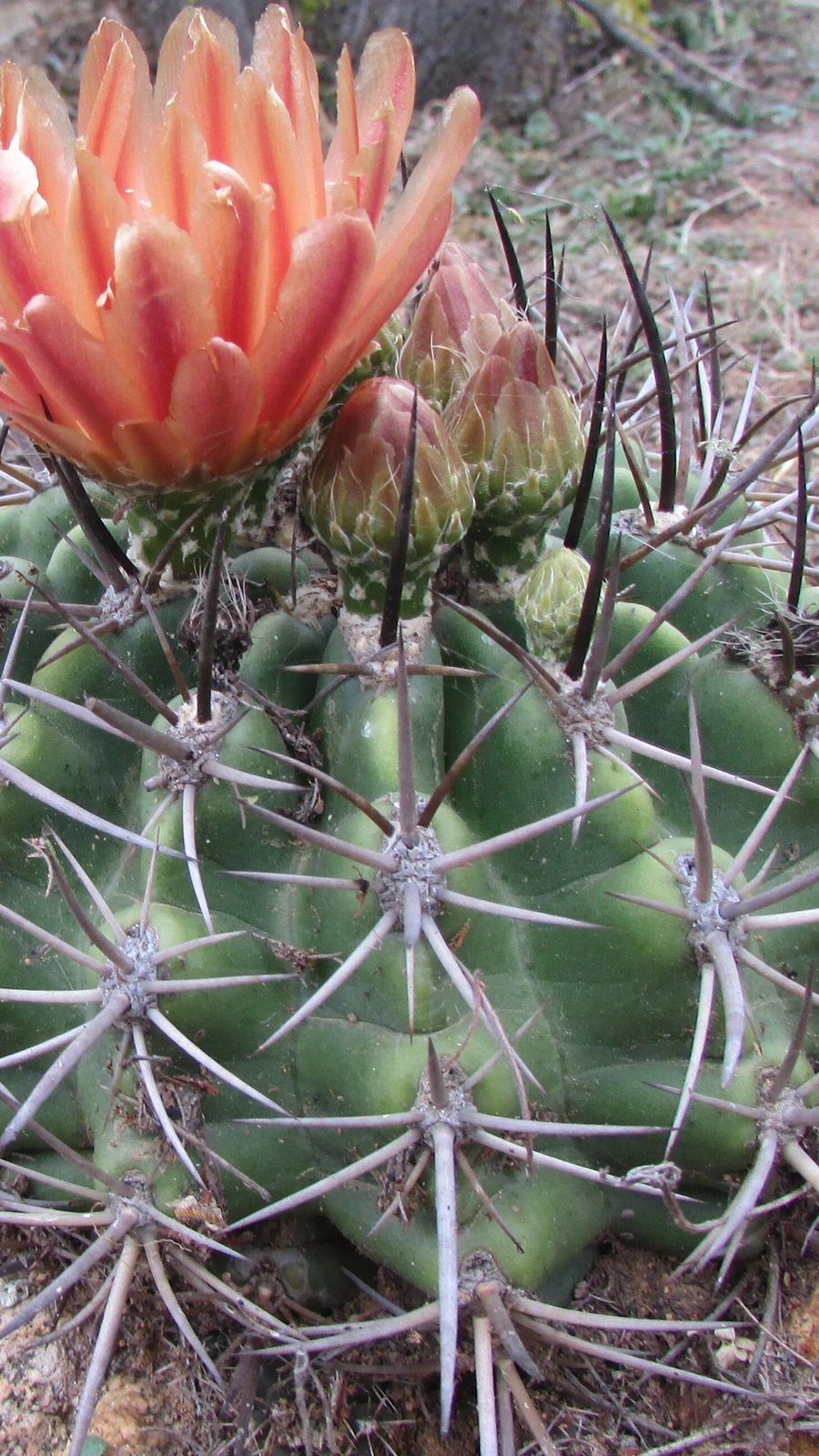
Eriosyce robusta

Robust Eriosyce

Overview

Eriosyce robusta is a distinctive, resilient succulent subshrub belonging to the Cactaceae family. Native to Chile, this species is highly valued by collectors for its compact, globose form and formidable spination 1.

Taxonomy and Naming

The genus name Eriosyce derives from Greek, meaning "woolly fruit," referencing the characteristic wool cover on its seed pods. The specific epithet robusta denotes its sturdy, thick-spined appearance and robust body structure 2.

Distribution and Habitat

It is native to the semi-arid, subtropical coastal regions of Chile. It grows in gravelly, mineral-rich soils on steep rocky slopes where drainage is instantaneous and organic material is scarce 1.

Appearance

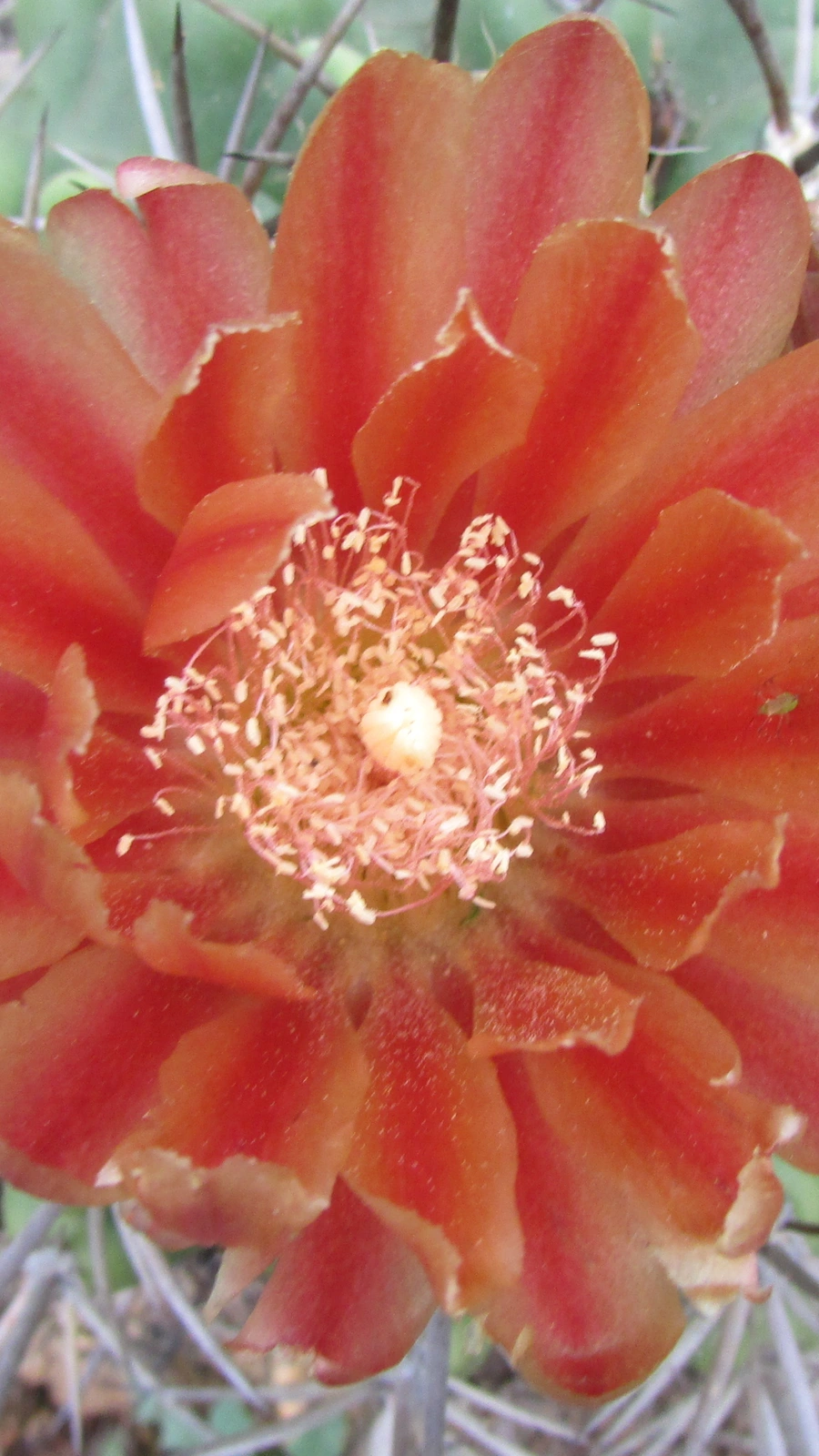
This cactus has a globose to short cylindrical stem with well-defined ribs. The areoles bear thick, rigid, radial and central spines that vary from dark brown to greyish. It produces funnel-shaped flowers, typically yellow or pale pink, at the apex during spring and summer.

Cultivation

Cultivation requires full sun and a very porous, mineral substrate. Water deeply during the active summer growth period but allow the soil to dry out completely. Keep virtually bone-dry during winter to prevent rot 3.

Common Care Mistakes

The most frequent error is overwatering in poorly drained soil, which rapidly leads to root rot. Insufficient sunlight will cause the plant to stretch (etiolate) and lose its natural shape.

Bibliography

References

  1. Plants of the World Online (POWO), Royal Botanic Gardens, Kew.
  2. GBIF Secretariat (2023). Eriosyce robusta taxonomy.
  3. International Cactus and Succulent Association reports on Eriosyce group.
Light

Direct Sun

Thrives in full, direct sun; insufficient light leads to etiolation.
Watering

10-30 Days

Water only when soil is bone dry; keep dry during winter dormancy.

Soil

Highly-drained cactus soil rich in pumice and washed river sand

Requires an extremely porous mineral mix rich in pumice and sand.

Safety

Pet Friendly

Non-toxic, but the sharp, heavy spines can cause physical injury.

Difficulty

Moderate

Moderate; demands strict control over moisture and watering cycles.

Native Habitat

Chile

Endemic to the arid coastal cliffs and rocky slopes of Chile's subtropical transition zones.

Frequently Asked Questions

How often should Eriosyce robusta be watered?
Water roughly every 10 days in summer, ensuring the soil is dry first. In winter, reduce watering to once a month or withhold it entirely.
Is it toxic to pets?
No, it is non-toxic, but its rigid and sharp spines can cause physical injury, so keep it out of reach of pets.
What type of soil does it prefer?
It prefers highly porous cactus soil rich in mineral components like pumice, lava rock, and coarse sand, with low organic matter.
How much sunlight does Eriosyce robusta need?
It prefers very bright, sunny locations, requiring at least 6 hours of direct sunlight daily to maintain its shape.
When should it be repotted?
Due to its slow growth, repotting is needed only every 2-3 years in early spring, moving up to a slightly larger pot.
How can I encourage it to bloom?
Provide a cool (around 5-10°C) and completely dry winter dormancy period to stimulate flower bud initiation for spring.
How fast does it grow?
It is a very slow-growing cactus species, taking several years to reach mature sizes.
Should it be protected from frost in winter?
It can tolerate brief, light frosts (down to -5°C) if kept entirely dry, but it is safer to bring it indoors if hard frost threatens.
What should I do if the stem becomes soft?
A soft stem is a sign of rot from overwatering. Stop watering immediately, check the roots, and propagate healthy tissue if possible.
What fertilizers should be used?
Apply a high-potassium cactus fertilizer diluted to half-strength once a month during the spring and summer active growth.