
Light
Bright Indirect Light
Requires abundant bright, filtered sunlight to keep its beautiful dense spine growth.
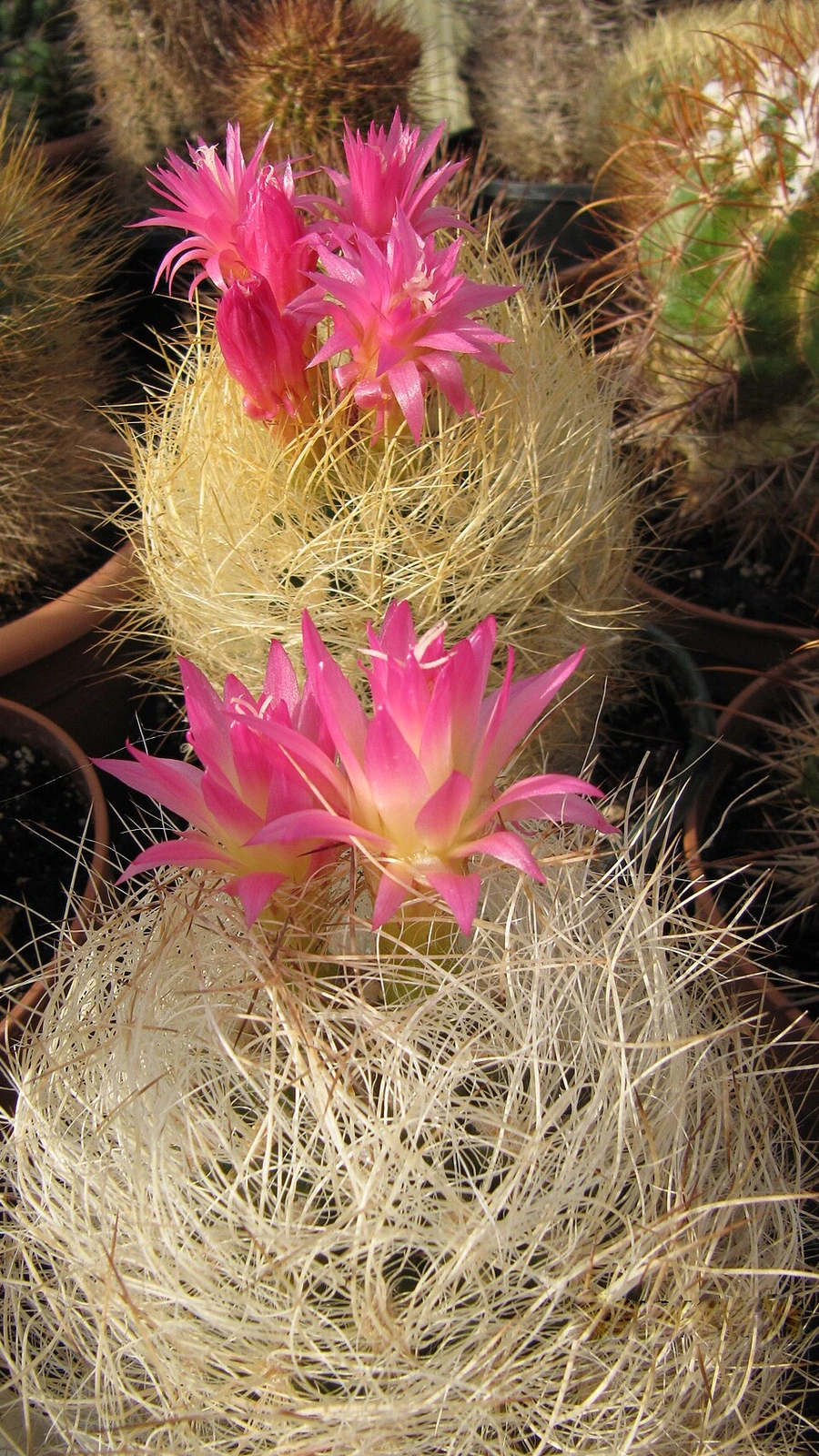
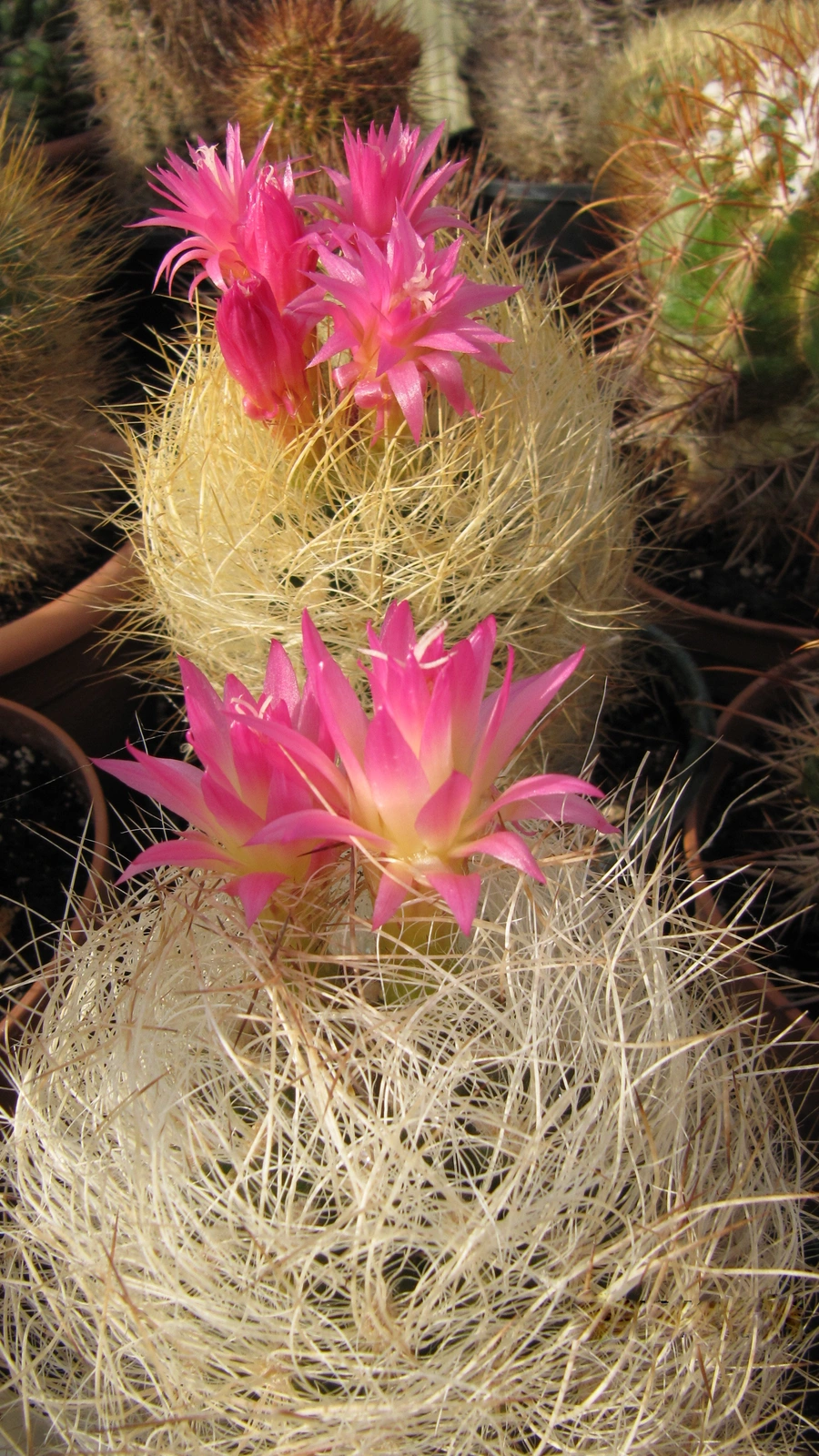
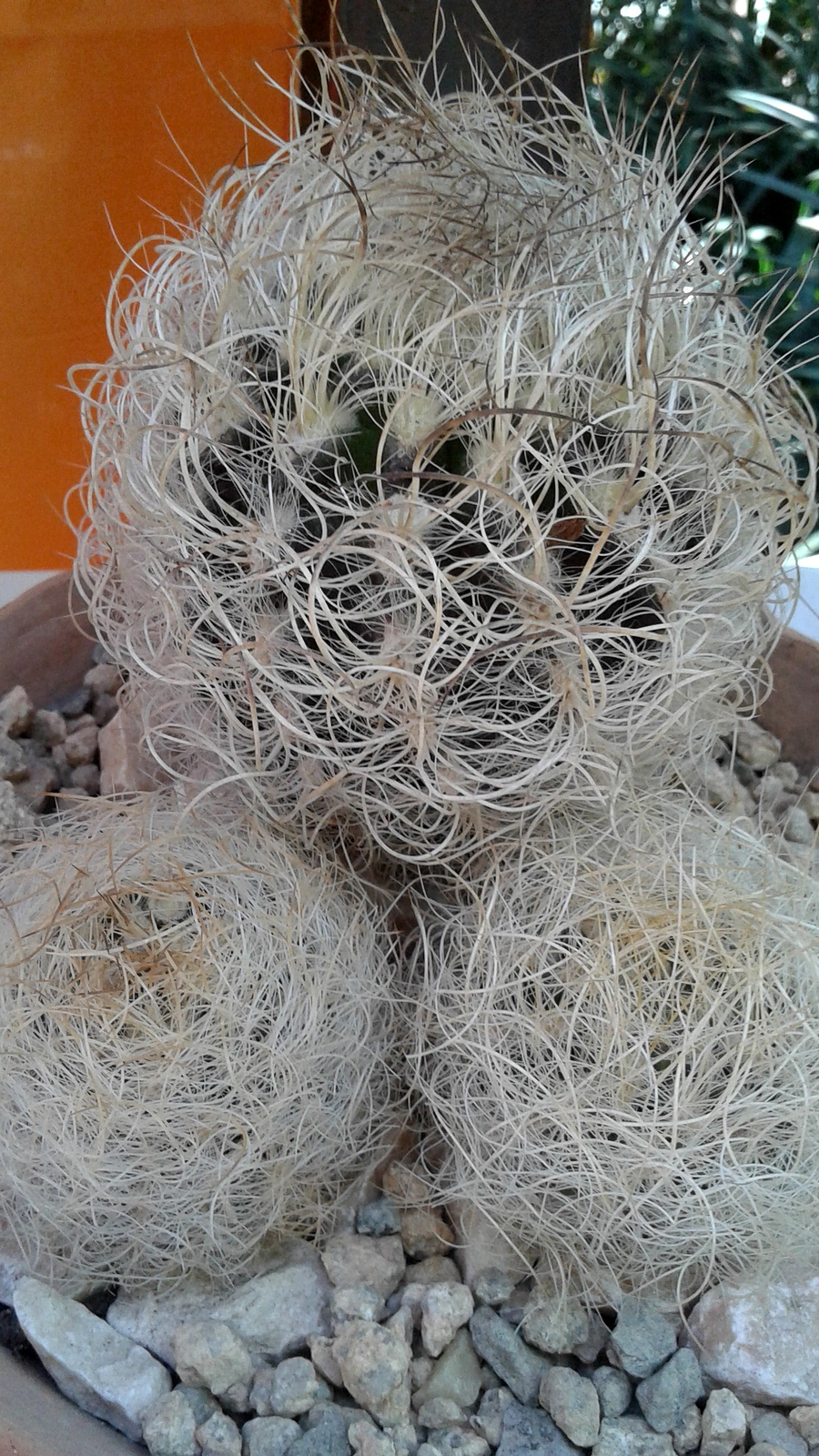 Reference image
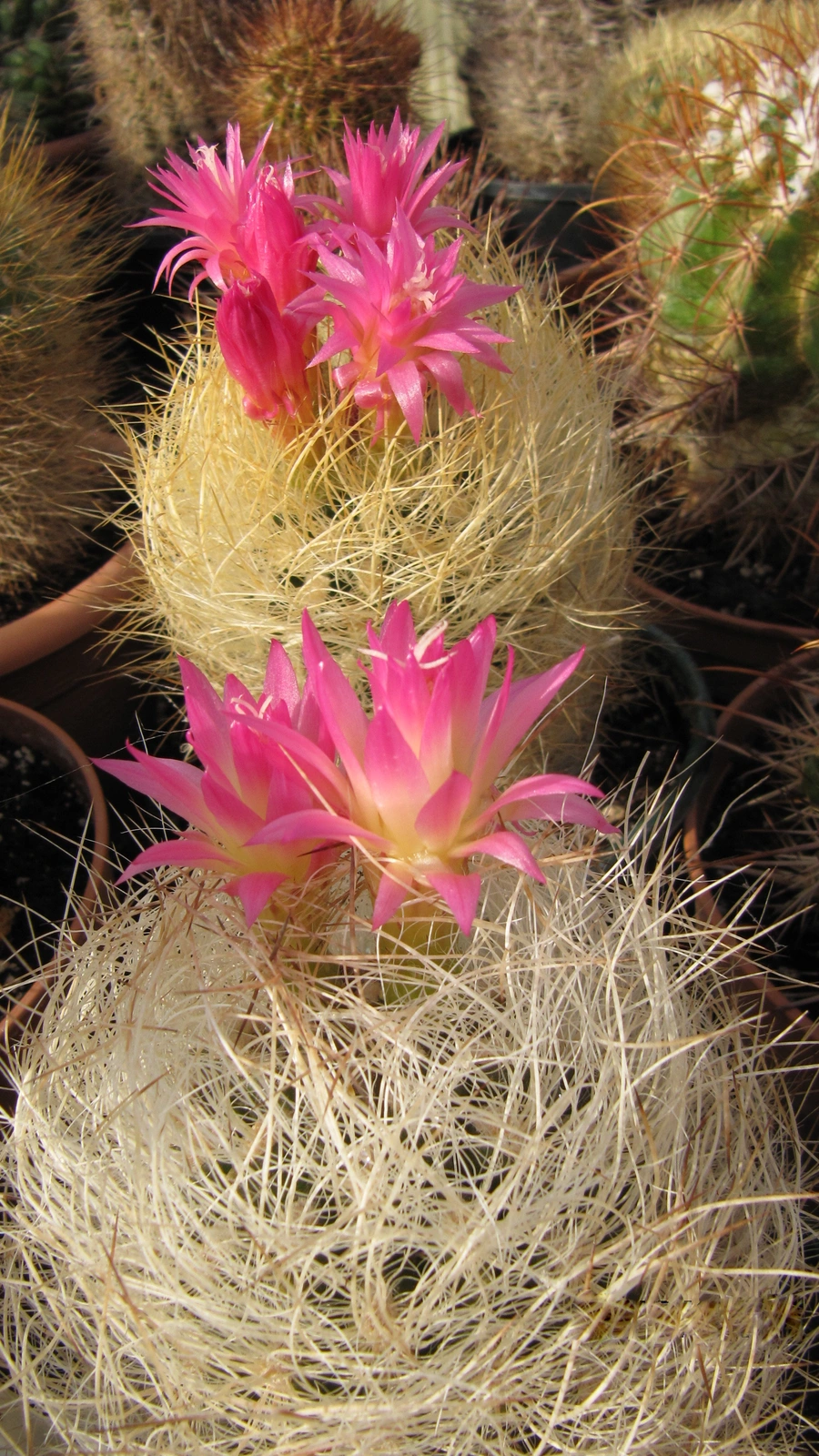 Reference image
Eriosyce senilis is a highly sought-after succulent subshrub in the family Cactaceae, renowned for its dense, often flexible, and hair-like white spines that cloak the stem. This dense spiny cover gives the cactus its specific epithet "senilis" (meaning elderly or senile), as it resembles the white hair of an old man 1. Known for its striking contrast of white spines and magenta flowers, it is a favorite among desert plant enthusiasts.
Originally described under various genera, Eriosyce senilis has undergone several taxonomic revisions 2. It is widely recognized under synonyms such as Neoporteria senilis and Pyrrhocactus senilis. Cultivars and wild forms with exceptionally dense, curly white spines are sometimes traded under the name Neoporteria gerocentra.
This species is endemic to Chile, specifically within the Coquimbo and Valparaíso regions 1. It thrives on arid, rocky slopes, gravelly cliffs, and steep hillsides in desert or dry shrubland biomes. In its native habitat, it relies heavily on coastal fog condensation for moisture.
The stem is spherical to short-cylindrical, reaching up to 15-20 cm in height and about 8 cm in diameter. The epidermis is dark green to purplish-black, though largely hidden under a dense mat of flexible, curved spines. Flowers are funnel-shaped, vibrant pinkish-red to magenta, blooming at the apex in spring.
Eriosyce senilis requires bright, filtered sunlight to maintain its compact shape and rich spine density. A porous, mineral-rich substrate is essential. Water thoroughly during the active growing season only when the soil is completely dry, and maintain a strict dry period during the cold winter months.
The most frequent issue is root rot caused by poor drainage or overwatering 2. Cold and wet winter conditions are lethal. Insufficient light leads to etiolation, causing the stems to stretch weakly and lose their characteristic dense spine covering.
Requires abundant bright, filtered sunlight to keep its beautiful dense spine growth.
Allow the potting medium to dry out completely between waterings. Keep completely dry in winter.
Thrives in a highly porous, gritty mix comprised mostly of pumice, gravel, and minimal organic matter.
Non-toxic to pets, but the dense spines can prick skin; handle with care or use tongs.
Very easy to care for, provided you do not overwater or let it sit in stagnant water.
Native to the dry river valleys and rocky slopes of central Chile. It thrives in gravelly terrains where it experiences long dry spells mitigated by periodic coastal fog.
