
Eriosyce tenebrica

Eriosyce Tenebrica

Overview

Eriosyce tenebrica is an extremely rare and miniature cactus species belonging to the family Cactaceae. Highly prized among collectors for its dark, mystical coloration and compact stature, this species faces severe threats in its native environment 1.

Taxonomy and Naming

Belonging to the diverse genus Eriosyce, it has historically been placed under synonyms such as Neoporteria or Pyrrhocactus. The specific epithet "tenebrica" derives from Latin, meaning "dark" or "gloomy," directly referring to the plant's characteristic dark, purplish-black stem 1.

Origin and Habitat

This species is endemic to narrow desert zones in the Atacama and Coquimbo regions of northern Chile, particularly near the Huasco valley 2. It grows in hyper-arid soils rich in minerals but virtually devoid of organic matter. It relies heavily on coastal fog (camanchaca) for moisture.

Appearance

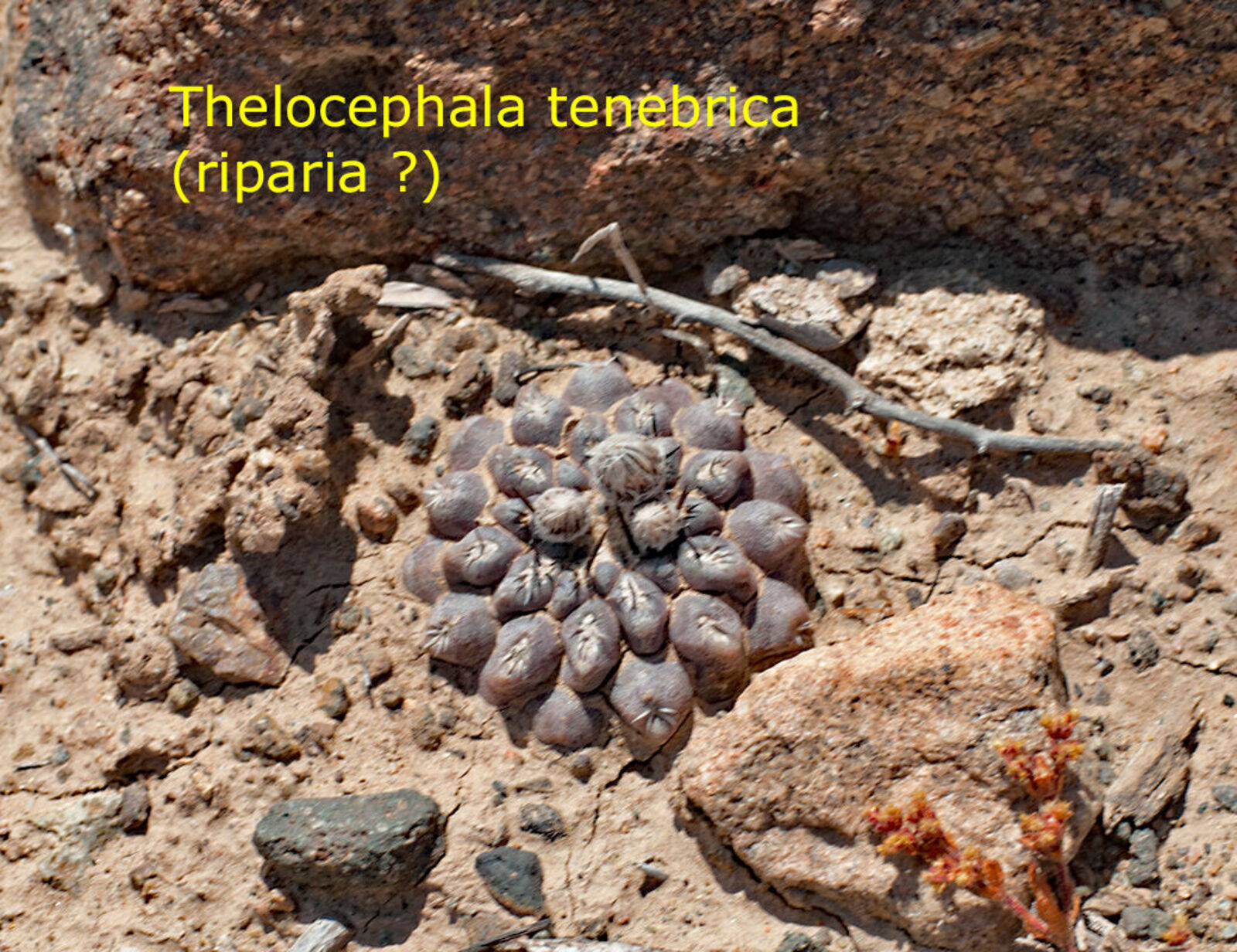
The stem is solitary, globose to slightly flattened, displaying a striking dark brownish-purple or nearly black epidermis. The ribs are well-defined, dotted with small grey felted areoles bearing dark brown to blackish spines. In late spring, it produces funnel-shaped flowers in shades of cream to pale yellow 2.

Cultivation

When cultivating Eriosyce tenebrica, it is essential to mimic its dry desert habitat. It requires maximum light exposure—either full sun or bright indirect light. Well-draining, highly mineral substrates packed in clay pots are highly recommended 1.

Common Care Mistakes

Excessive watering, low-ventilation environments, and heavy, peat-rich organic soils are the primary causes of root rot and plant loss 2. Keeping the soil wet during winter dormancy is almost always fatal.

Bibliography

References

  1. Plants of the World Online (POWO), Royal Botanic Gardens, Kew.
  2. IUCN Red List of Threatened Species - Eriosyce conservation status report.
Light

Bright Indirect Light

Needs abundant bright, filtered sunlight to maintain its distinctive dark stem coloration.
Watering

12-30 Days

Allow the substrate to dry out entirely between waterings in summer; keep completely dry in winter.

Soil

Highly gritty cactus mix rich in pumice and washed river sand

Strictly mineral-based substrate with very little organic matter, highly enriched with pumice.

Safety

Pet Friendly

Non-toxic to pets, but has sharp spines that can cause minor skin irritation or mechanical injury.

Difficulty

Moderate

Moderate to hard; requires a disciplined watering hand and excellent drainage control.

Native Habitat

Chile (Atacama and Coquimbo)

Endemic to the hyper-arid coastal deserts and rocky hills of northern Chile, particularly near Huasco. It relies on ambient moisture from coastal morning fogs to survive in one of the driest places on Earth.

Frequently Asked Questions

Is Eriosyce tenebrica toxic to pets?
No, this cactus is **non-toxic** to pets. However, due to its sharp spines which can cause mechanical injury, it is best kept out of reach of curious cats, dogs, and children.
How often should I water this cactus in winter?
During winter dormancy (generally November to March), watering must be **suspended completely**. Adding water during cold, dark months is the main cause of root rot.
What type of soil mix should I use?
Use an extremely gritty, mineral-heavy substrate with 70-80% pumice, river sand, and lava rock, keeping organic soil components to a absolute minimum.
How much sunlight does Eriosyce tenebrica need?
It requires at least 5-6 hours of bright, direct or slightly filtered sunlight daily. Low light causes the cactus to stretch (etiolate) and lose its dark pigmentation.
When does this cactus bloom and what color are the flowers?
It blooms in late spring to early summer, producing beautiful funnel-shaped flowers in shades of cream, pale yellow, or soft pink from the upper areoles.
Is Eriosyce tenebrica a fast grower?
No, it is an extremely **slow-growing** miniature cactus. It takes several years of patient care to reach maturity and flowering size.
How can I maintain its signature dark purplish-black body color?
This distinctive dark color is maintained through adequate light exposure (sun stress). Keeping the plant in too much shade will cause it to turn green and lose its compact shape.
What kind of pot is best for this species?
Unglazed terracotta pots with adequate drainage holes are highly recommended, as they allow moisture to evaporate quickly compared to plastic pots.
How should I schedule watering in summer?
Water only after the substrate has dried out completely from top to bottom (roughly every 10-14 days). Never water if the soil still feels damp.
Is it cold hardy, can it stay on a winter balcony?
It can tolerate temperatures down to 5°C for brief periods if kept bone-dry. It must be protected from freezing; bringing it indoors to a cool, dry room is recommended.