
Light
Full Sun
Requires at least 6-8 hours of direct, unfiltered sunlight; shade will cause weak, elongated growth.
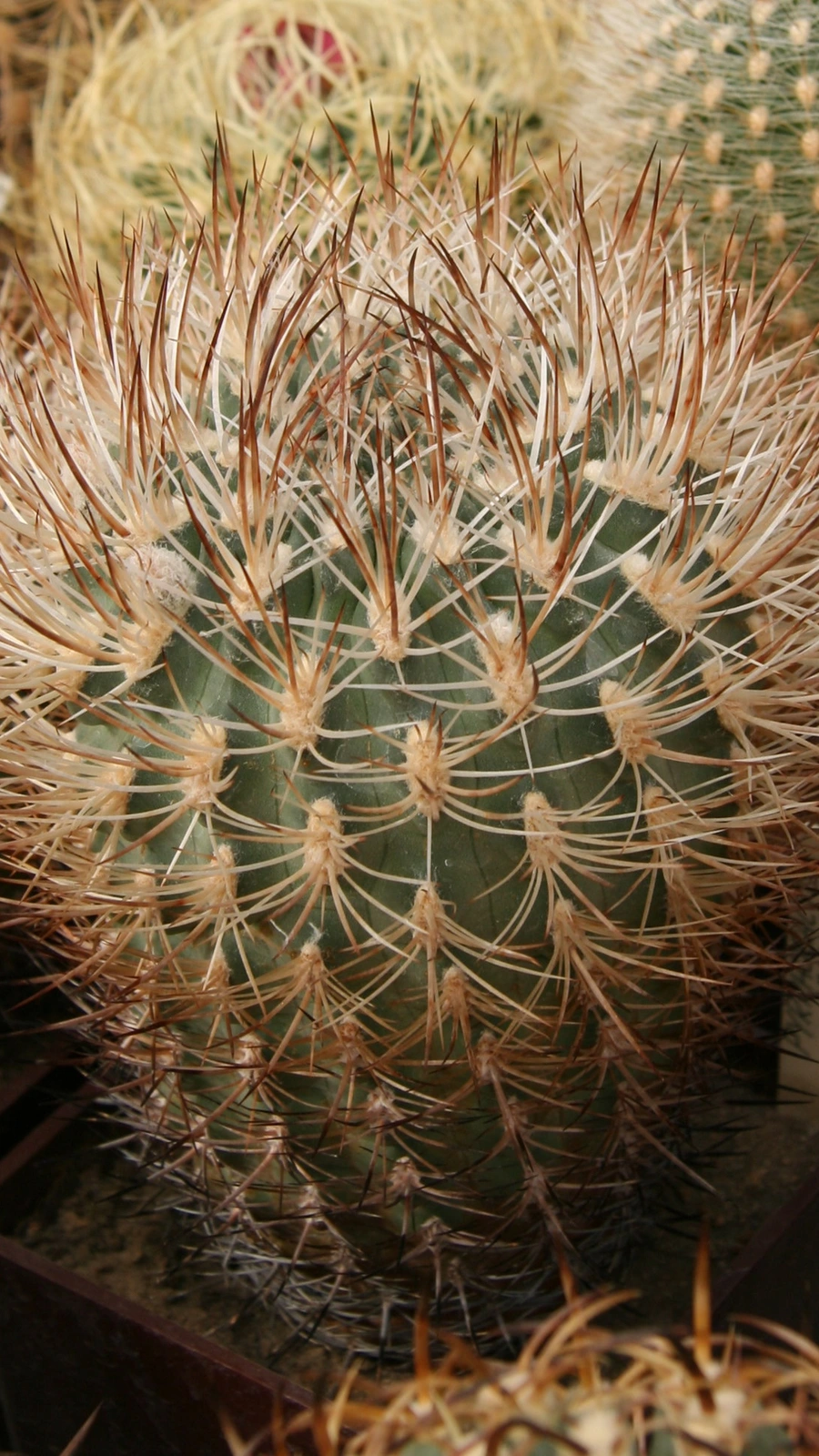 Reference image
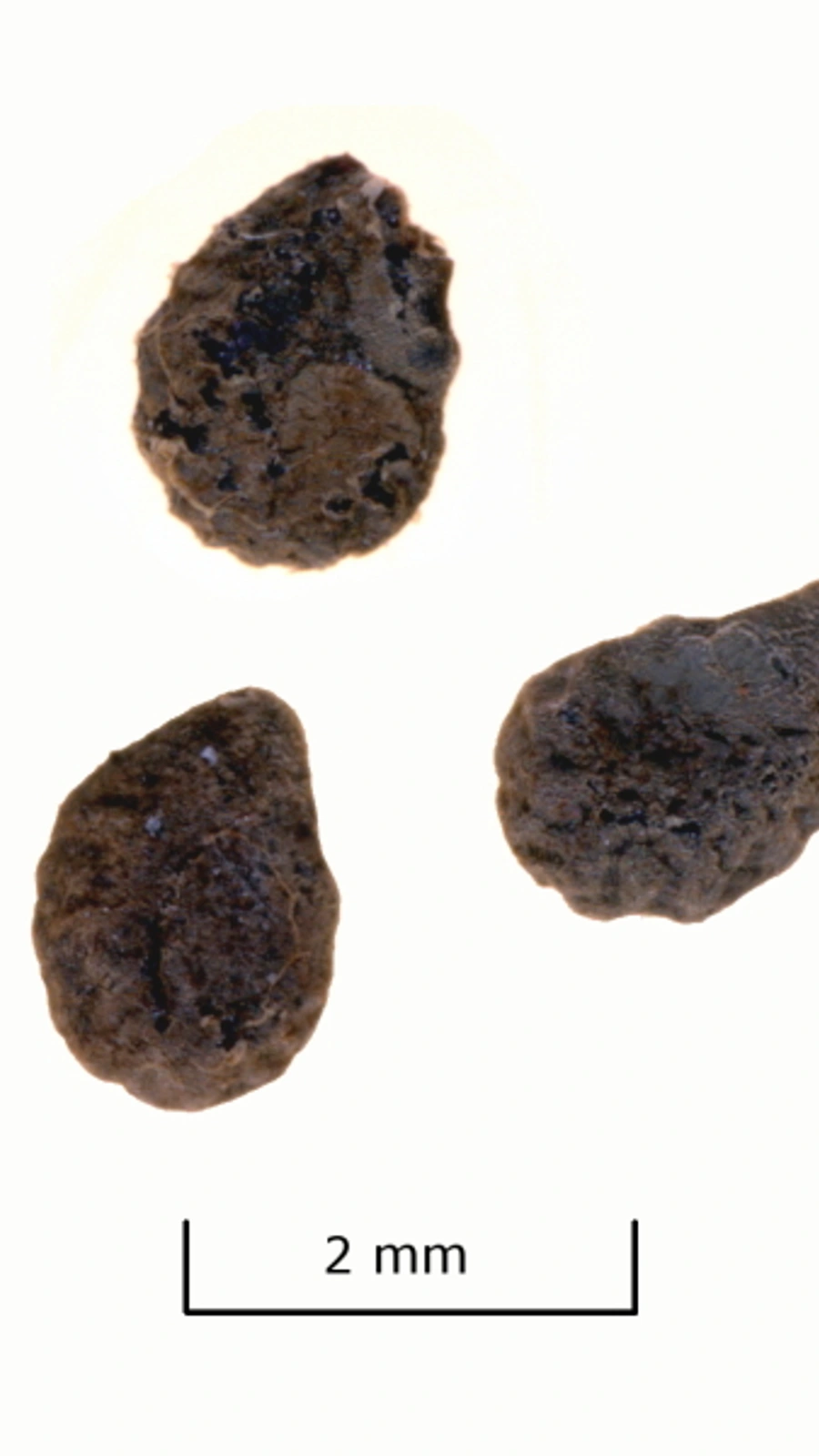 Reference image
Eriosyce umadeave is a highly specialized and rare cactus species belonging to the family Cactaceae, native to the high-altitude Andean regions of Argentina 1. It is widely celebrated among collectors for its imposing, dense spines and neat globose habit.
Originally described as Echinocactus umadeave, it was later combined into Pyrrhocactus before genetic and morphological studies placed it within the broadly defined genus Eriosyce 2. The specific epithet "umadeave" stems from indigenous words referring to its distinct look, often associated with a "bird's nest" due to its incurved spines.
This species is endemic to northwestern Argentina, specifically in the provinces of Salta and Jujuy, growing at extreme elevations between 2,000 and 3,500 meters above sea level 1. Its habitat consists of dry, windy, sun-drenched rocky slopes characterized by subalpine conditions and freezing winter temperatures.
It is a solitary, globose to short-cylindrical cactus reaching up to 30-40 cm in height. Its most striking feature is the dense cage of thick, upwardly curved, waxy yellow-to-grey spines that completely shroud the stem 2. In mid-summer, it produces bell-shaped, pale yellow to greenish flowers from the woolly crown.
In cultivation, Eriosyce umadeave is notoriously difficult to grow 3. It demands intense, direct sunlight and superior air circulation to mimic its alpine home. The growing medium must be purely mineral (pumice, perlite, granite grit) with virtually no organic matter. When kept completely dry in winter, it can easily tolerate severe frost down to -12°C.
Overwatering is the leading cause of loss. Even slightly damp soil during cool periods can trigger rapid root rot. Using standard organic potting soil or placing it in stagnant, humid indoor air will quickly prove fatal.
Requires at least 6-8 hours of direct, unfiltered sunlight; shade will cause weak, elongated growth.
Water strictly on a soak-and-dry cycle in warm weather. Keep completely bone dry during winter dormancy.
Avoid organic potting soil. Opt for a 100% mineral mix of pumice, lava gravel, and coarse sand.
Non-toxic, but the extremely rigid, curved spines represent a physical hazard for pets and children.
Highly sensitive to humidity and water standing; recommended for advanced growers only.
Found in the high-altitude, cold, and windswept slopes of the Andes in Salta and Jujuy provinces, growing on rocky and volcanic debris.
