
Light
Direct Sun
Provide at least 6 hours of direct sun daily; ideal for southern exposure.
 Reference image
 Reference image
Vallenar Cactus
Eriosyce vallenarensis is a globose, slow-growing succulent subshrub in the family Cactaceae, adapted to the hyper-arid coastal and sub-coastal deserts of Chile 1.
Belonging to the subfamily Cactoideae within the genus Eriosyce, the species name 'vallenarensis' honors the geographic region around Vallenar, a city in the Atacama region where the plant was first cataloged 2.
Native to northern Chile, specifically near Vallenar and the Huasco Valley in dry desert and dry shrubland. It thrives on rocky, gravel-rich hillsides where moisture is primarily captured from coastal fog (camanchaca) 1.
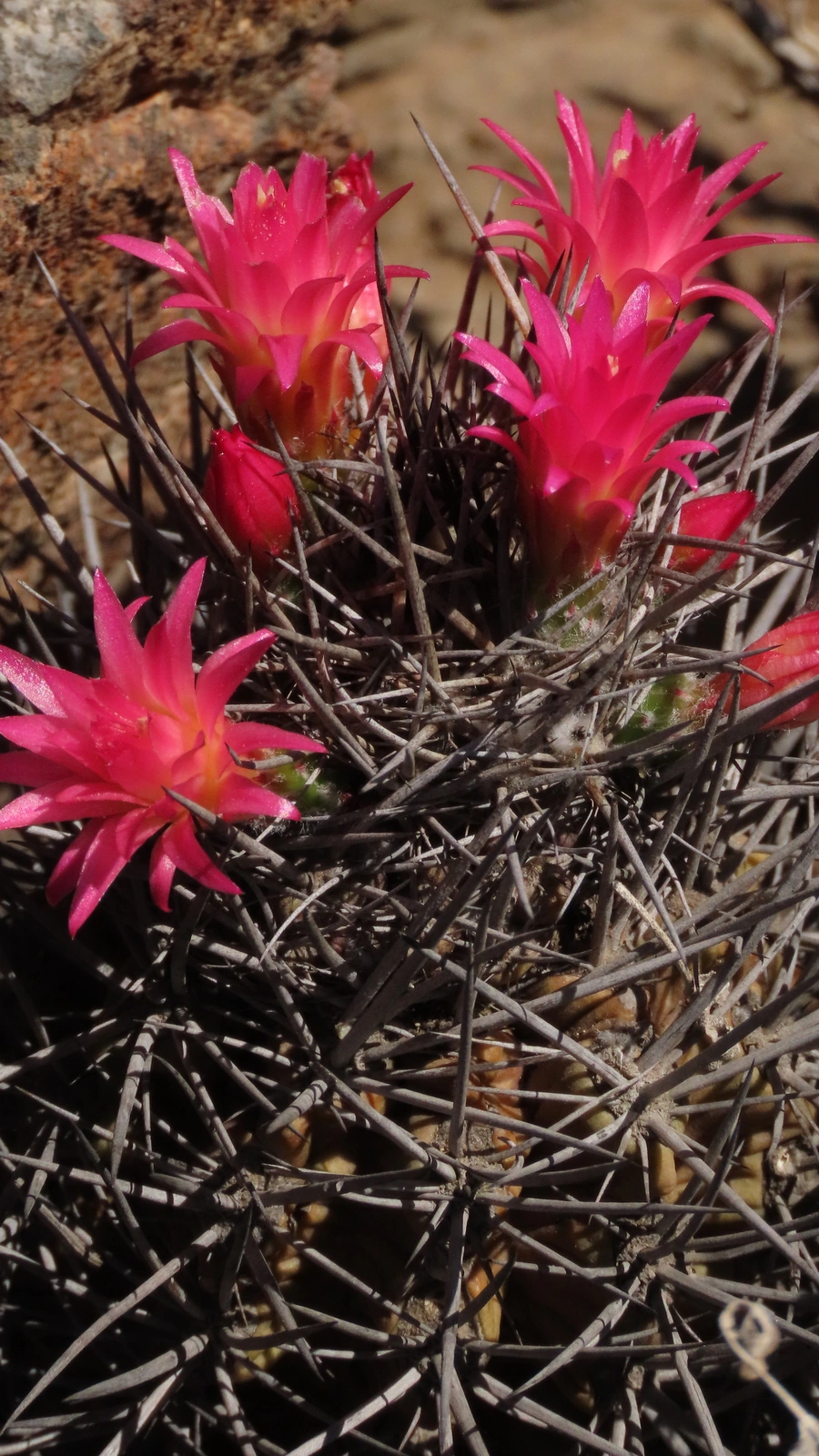
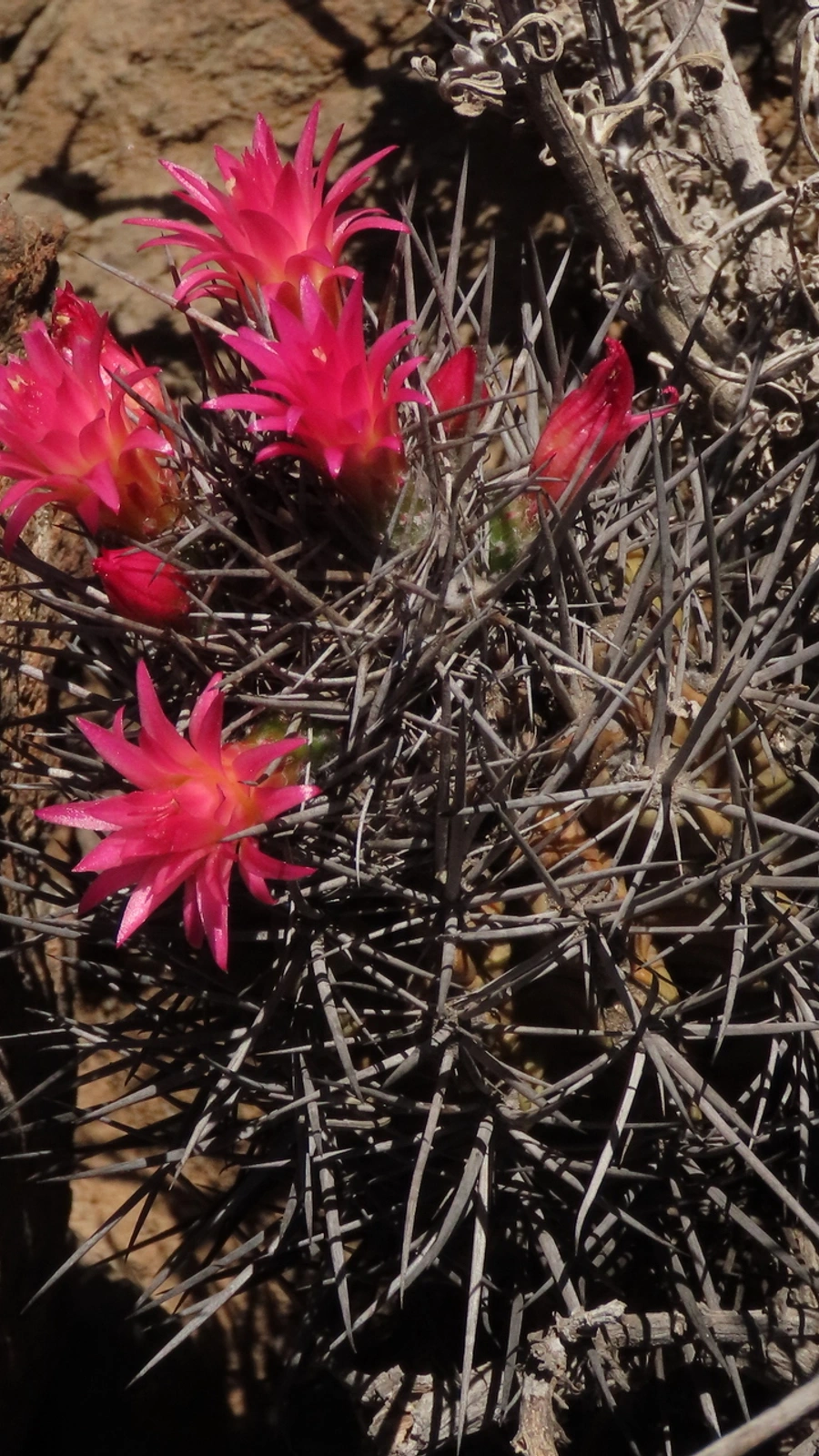
The stem is solitary, flattened-globose to short-cylindrical, grayish-green, with distinct woolly areoles. Spines are yellowish-brown when young, maturing to gray. In late spring, it produces funnelform flowers in shades of yellow, pale orange, or cream-pink 2.
Requires maximum sunlight and excellent air circulation. The potting medium must be mostly mineral, using materials like pumice, lava rock, and coarse sand. Watering should be highly restrictive, particularly in autumn and winter when the plant enters dormancy.
Overwatering is the primary cause of root rot in this species. Lack of direct sunlight leads to etiolation (stretching) and failure to flower. Standard potting soils with organic peat will retain too much moisture and damage the taproot.
Provide at least 6 hours of direct sun daily; ideal for southern exposure.
Water thoroughly only when the soil is dry. Keep completely dry in winter.
Use a heavy mineral mix (80% pumice/perlite/grit and 20% organic soil).
Non-toxic to pets, but sharp spines require careful handling.
Moderate; requires careful attention to soil drainage and watering cycles.
Native to the arid slopes of the Huasco Valley near Vallenar in Northern Chile, adapting well to gravel soils and coastal morning fog.
