
Light
Filtered Sun
Requires at least 6 hours of bright, filtered sunlight daily.
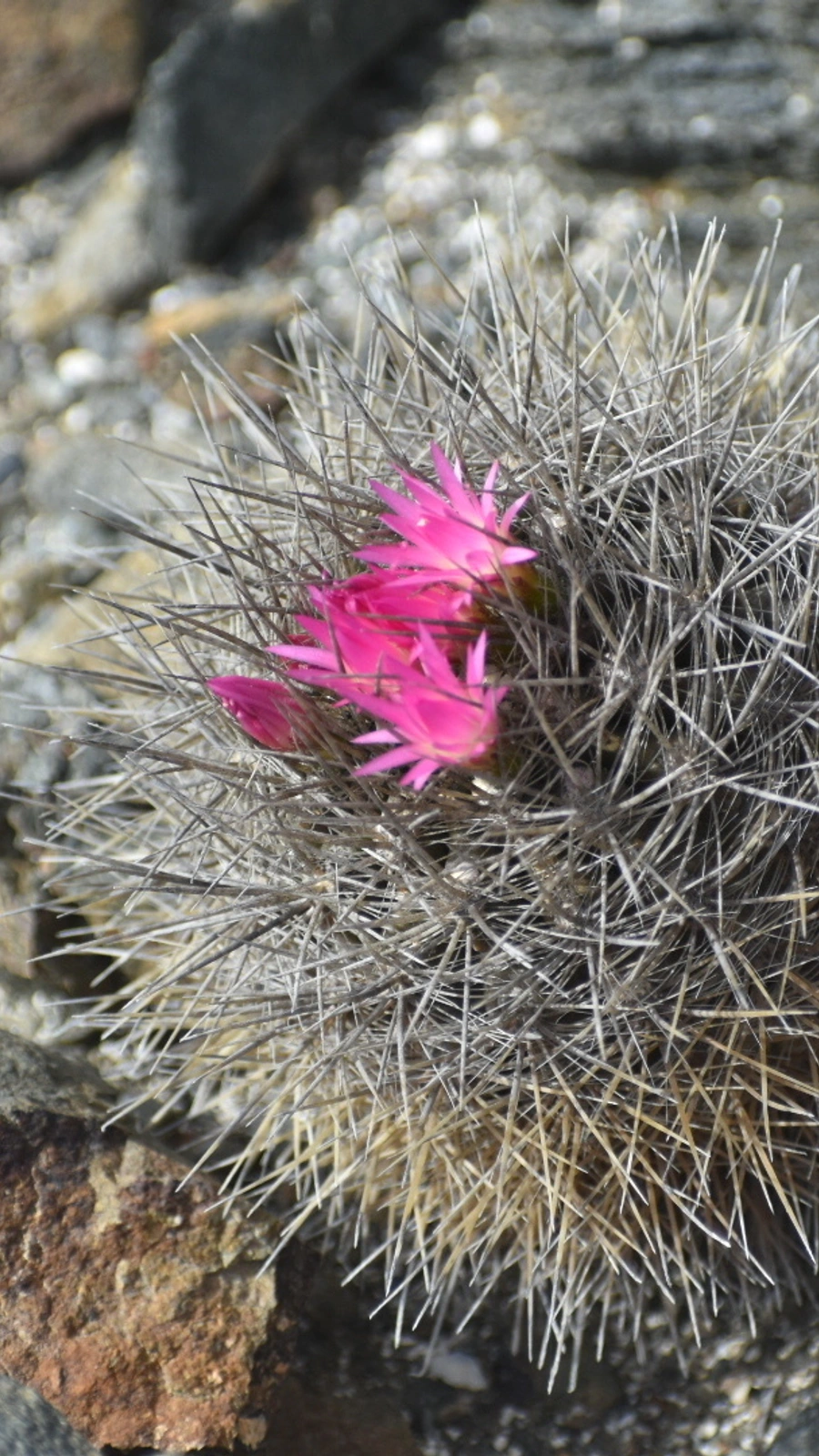 Reference image
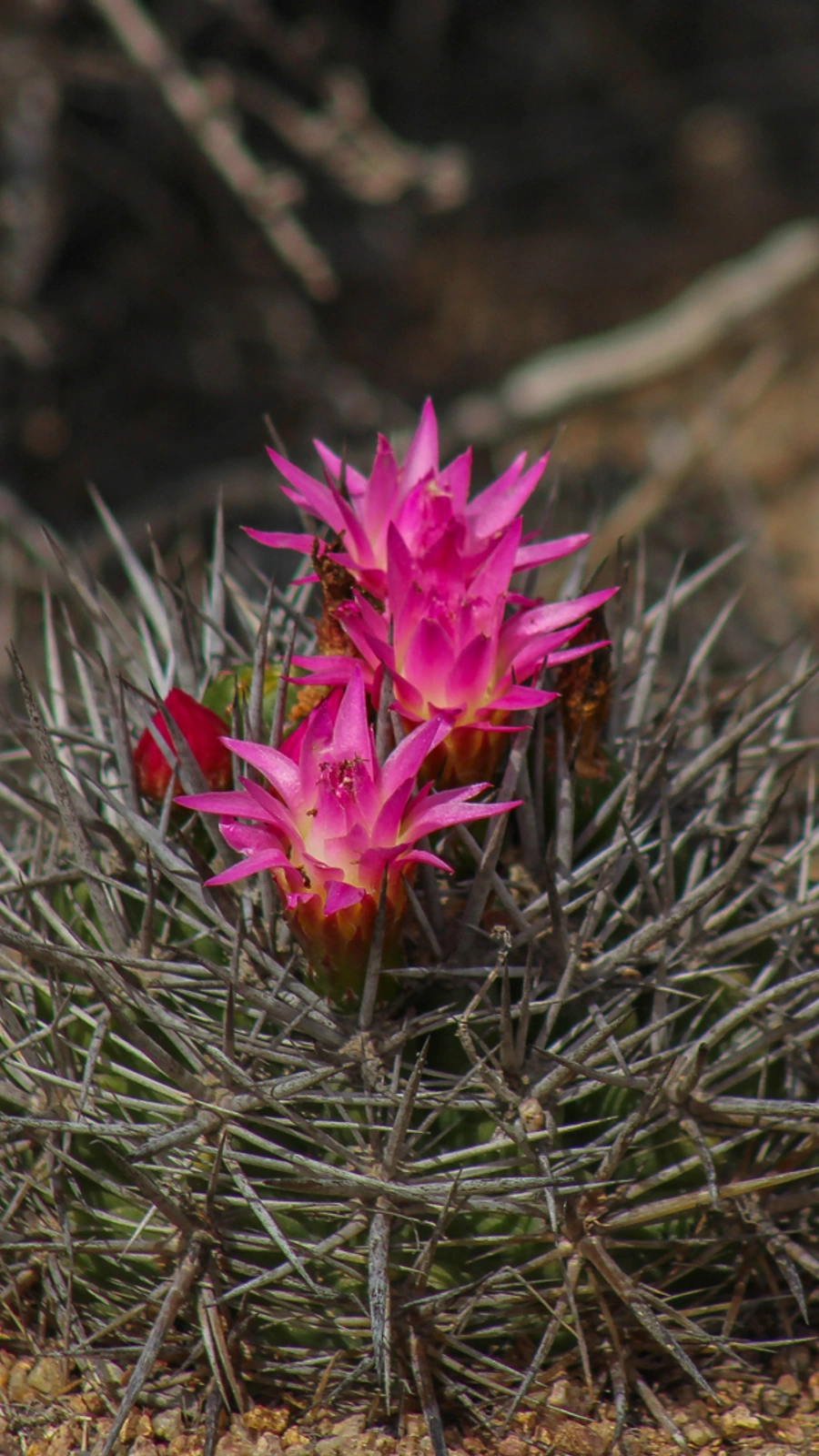 Reference image
Eriosyce wagenknechtii is a unique cactus species from the family Cactaceae, native to the arid coastal regions of Chile. This slow-growing succulent subshrub is excellently adapted to withstand extreme drought conditions 1.
Belonging to the genus Eriosyce, this species is treated by some taxonomists as a subspecies of Eriosyce subgibbosa (Eriosyce subgibbosa subsp. wagenknechtii) 2. The specific epithet 'wagenknechtii' honors the Chilean botanical collector Rodolfo Wagenknecht.
This cactus is primarily distributed in the semi-arid shrublands and steep rocky cliffs of the Coquimbo region in Chile, bordering the southern edge of the Atacama Desert 1. It thrives in stony soils rich in minerals but highly deficient in organic matter.
The stem is globular to shortly cylindrical, featuring prominent ribs. Dense, stiff, grayish-brown spines emerge from the areoles, protecting the plant from intense solar radiation and herbivores. In spring and summer, it produces beautiful, funnel-shaped pink to reddish flowers at the apex 2.
A prized specimen for collectors, this cactus must be grown in highly porous, mineral-heavy soil mixes. It requires full sun or bright, filtered light. Water sparingly during the active growing season, and keep completely dry during the winter dormancy to prevent root rot.
The most frequent mistake is overwatering in poorly drained containers or organic-rich soils, which rapidly leads to root rot 1. Keeping the soil wet during cold winter months is almost always fatal to the specimen.
Requires at least 6 hours of bright, filtered sunlight daily.
Never water before the soil dries out completely; halt watering almost entirely in winter.
Use a highly mineral-heavy, porous cactus soil mix that drains rapidly.
The stem is covered in sharp spines; wear thick protective gloves when repotting.
Due to a root system sensitive to overwatering, drainage and watering control require some experience.
Naturally grows on coastal hillsides and rocky crevices within the semi-arid Coquimbo region of Chile.
