
Light
Full Sun
Requires full sun, ideally a south-facing window or greenhouse with at least 6 hours of direct sunlight.
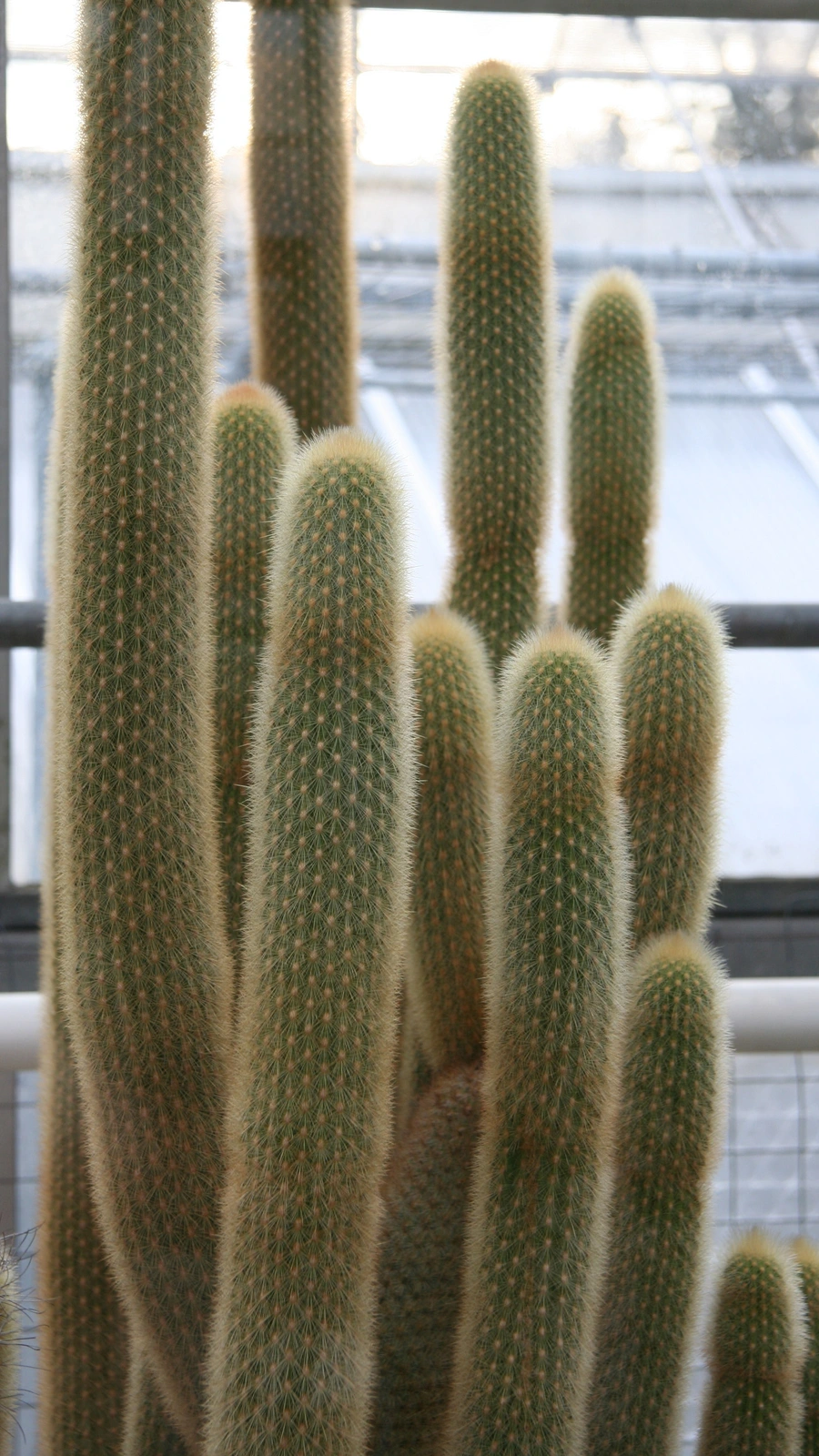 Reference image
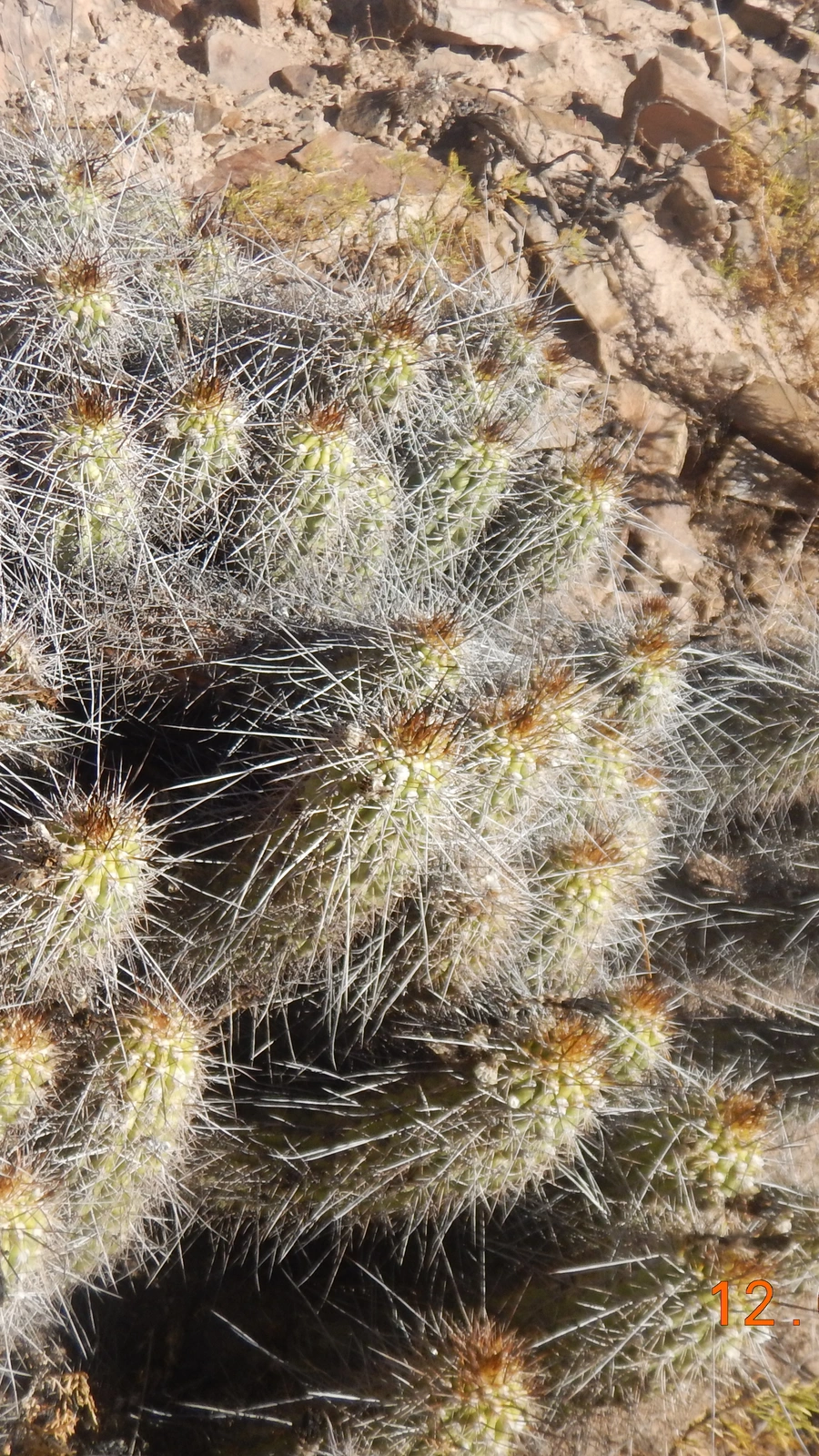 Reference image
Haageocereus fascicularis is a shrubby, columnar cactus species in the family Cactaceae, native to the extremely arid coastal regions of Chile and Peru. Exceptionally adapted to hyper-arid conditions, this species is highly valued among collectors for its dense spine coverage and rugged resilience 1.
Originally described as Cereus fascicularis, the species was later classified under the genus Haageocereus by the German cactus taxonomist Curt Backeberg. The genus honors the famous Haage dynasty of German cactus horticulturists. The specific epithet fascicularis derives from Latin, meaning "bundled" or "clustered", referring to the dense, cluster-like arrangement of its spines on the areoles 2.
This cactus is native to western South America, specifically coastal southern Peru and northernmost Chile (Arica and Parinacota). In these hyper-arid desert biomes, the plants survive by absorbing moisture from the heavy, low-lying ocean fogs known locally as "camanchaca" 1. It typically populates dry rocky slopes and gravelly desert shrublands.
Haageocereus fascicularis is a succulent subshrub or shrub, branching from the base to form semi-erect or decumbent stems. The cylindrical, greyish-green stems feature multiple distinct ribs. Areoles are packed with robust, yellowish-brown to grey needle-like spines that shield the plant from harsh sunlight. It produces nocturnal, tubular flowers that are white to pale pink 2.
In cultivation, it demands full sun and a highly mineral, gritty substrate. Overwatering is the primary threat to this desert specialist. Stems should be kept entirely dry during the winter dormancy period and protected from freezing temperatures 3.
The most frequent error is overwatering, especially in low-temperature winter months, which triggers root rot. Insufficient light exposure leads to etiolation, causing the stems to grow thin and weak.
Requires full sun, ideally a south-facing window or greenhouse with at least 6 hours of direct sunlight.
Allow soil to dry out 100% before watering. Strictly avoid watering in cold winter months.
Prefers a highly mineral substrate rich in pumice, gravel, and perlite, with very low organic content.
Equipped with sharp, rigid spines. Keep out of reach of children and domestic pets.
Moderate difficulty. Highly resilient provided that overwatering and freezing are strictly avoided.
Native to the coastal desert slopes of southern Peru and northern Chile. It thrives in some of the driest places on Earth, relying on coastal fog for moisture in its native Atacama-adjacent shrublands.
