
Light
Full Sun
Requires a minimum of 6-8 hours of direct, unfiltered sunlight daily.
 Reference image
 Reference image
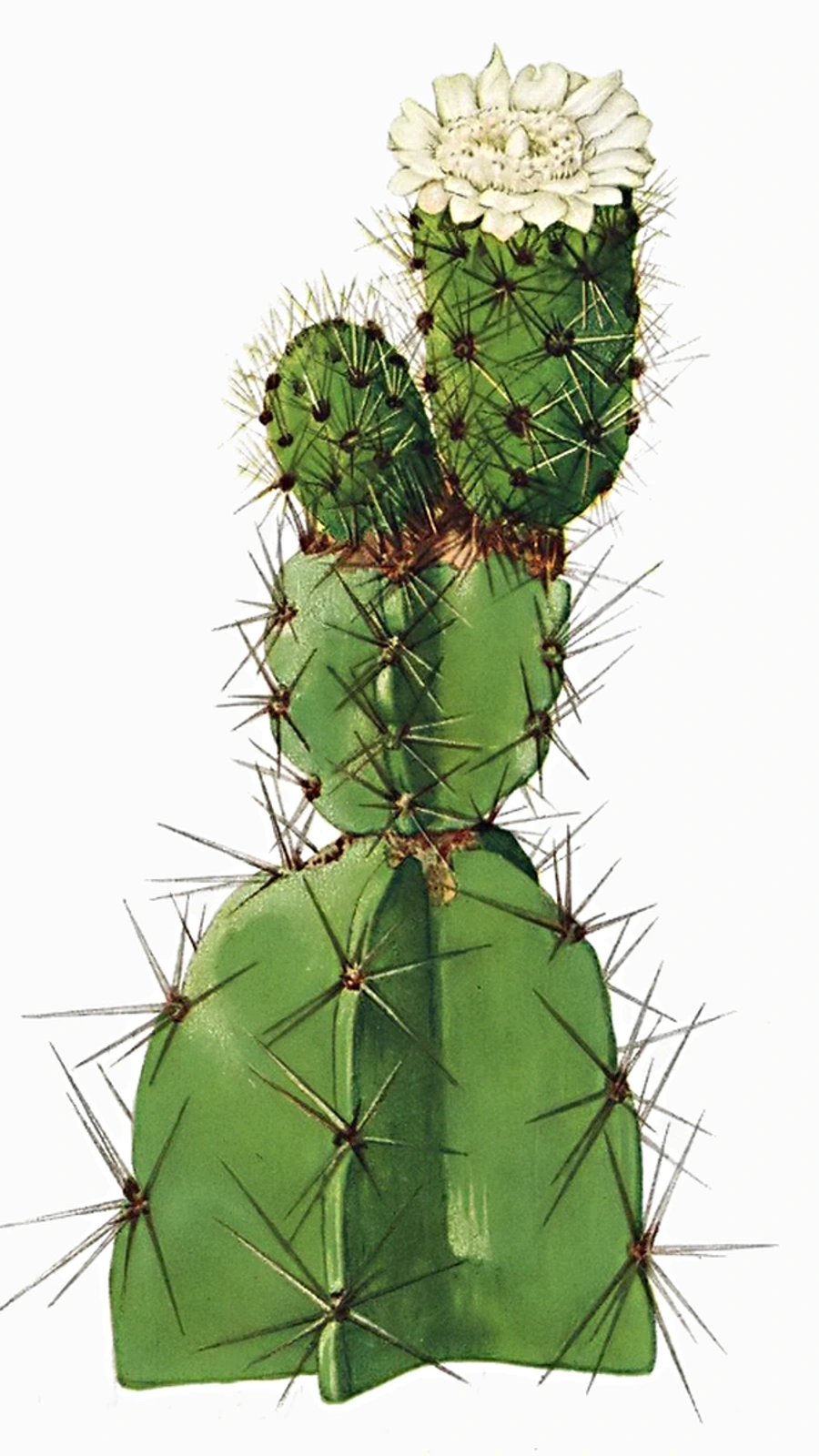
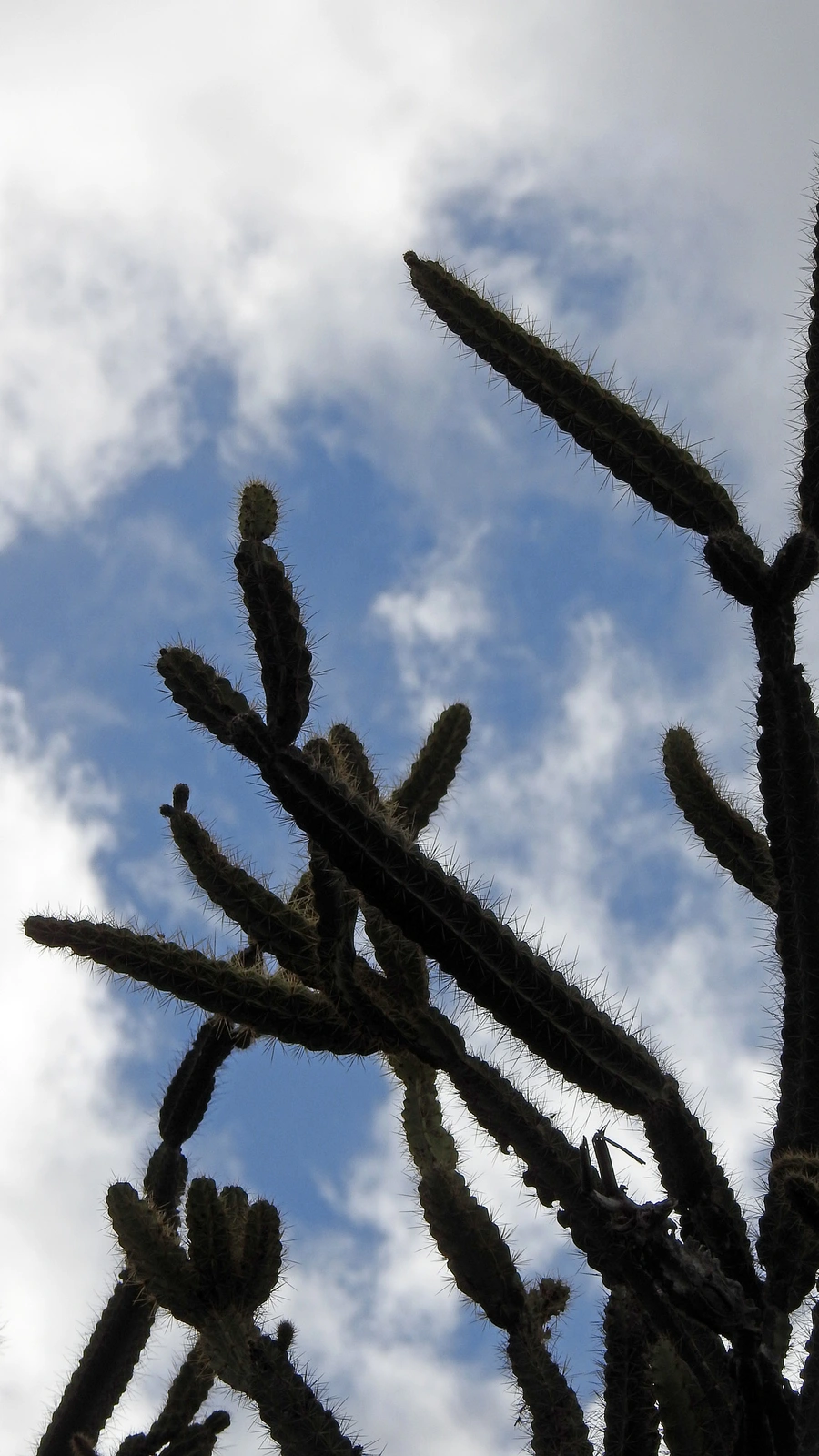
Arboreal Leptocereus
Leptocereus arboreus is an extremely rare, tree-like cactus belonging to the Cactaceae family. Due to severe habitat fragmentation, this majestic species is currently classified as Critically Endangered 1.
The species was formally described by renowned botanists Nathaniel Lord Britton and Joseph Nelson Rose. The generic name Leptocereus denotes its slender stems, while the specific epithet 'arboreus' highlights its distinct tree-like growth habit 2.
This species is strictly endemic to Cuba. It thrives in seasonally dry tropical forests, coastal shrublands, and limestone cliffs where it anchors into rocky crevices 1.
In its natural habitat, L. arboreus can reach heights of 5 to 8 meters, sporting a well-branched canopy. The stems are green and deeply ribbed, armed with yellowish-brown spines when young. It produces nocturnal or crepuscular flowers that are pale greenish-white 2.
Cultivating this species can be highly challenging. It requires full direct sun, an exceptionally free-draining alkaline substrate, and reliable protection from cold temperatures, requiring a minimum of 10°C in winter 2.
Overwatering, poor air circulation, and insufficient sunlight will quickly lead to root rot or severe etiolation.
Requires a minimum of 6-8 hours of direct, unfiltered sunlight daily.
Water deeply only when substrate is completely bone-dry; keep dry in winter.
Mineral-rich cactus soil mixed with crushed limestone and coarse pumice.
Non-toxic to pets, but sharp spines present a physical injury hazard.
Hard to maintain indoors due to its specialized light, heat, and space requirements.
Endemic to the seasonally dry coastal tropical forests and limestone slopes of Cuba.
