
Scientific taxonomy article
Auto-generated taxonomy record for Leptocereus.
Leptocereus
Auto generated taxonomy record for Leptocereus.
Auto-generated taxonomy record for Leptocereus.

Leptocereus arboreus
Leptocereus arboreus is an extremely rare, tree like cactus belonging to the Cactaceae family. Due to severe habitat fragmentation, this majestic species is currently classified as Critically Endangered .

Leptocereus assurgens
Leptocereus assurgens is a rare, sprawling, and shrubby cactus species belonging to the family Cactaceae . Endemic to Cuba, this resilient succulent is uniquely adapted to thrive in harsh, seasonally dry tropical climates, representing a fascinating lineage of Caribbean cacti.

Leptocereus bayahibensis
Overview\nLeptocereus bayahibensis is an extremely rare and critically endangered shrubby cactus species belonging to the family Cactaceae . Endemic to the Caribbean islands, it is highly adapted to dry coastal habitats and possesses significant conservation value.\n\n Classification and Naming\nThe species is named after the Bayahibe region in the southeastern part of the Dominican Republic . The genus Leptocereus is characterized by slender stemmed, often scrambling or shrubby cacti native to the Caribbean. It is distinct in its stem ribbing and spination.\n\n Distribution and Habitat\nIts natural distribution is strictly restricted to the seasonally dry tropical forests and limestone terraces of the Dominican Republic . It thrives in coastal conditions with high humidity and saline wind exposure.\n\n Appearance\nIt grows as a multi branched, shrubby cactus with slender green to grayish green ribbed stems. The ribs bear sharp, yellowish brown spines. The nocturnal flowers are typically white or cream colored, adapted to pollination by bats or moths.\n\n Cultivation and Care\nIn cultivation, it requires a highly porous potting medium mixed with limestone chippings. Unlike desert cacti, it prefers slightly higher atmospheric humidity but demands exceptional drainage and warm winter temperatures above 12°C.\n\n Common Care Mistakes\nOverwatering during the winter rest period is the most frequent cause of root rot . Insufficient light leads to etiolated, weak stems that easily lose their structure.\n\n Bibliography\n Plants of the World Online (POWO), Royal Botanic Gardens, Kew.\n International Union for Conservation of Nature (IUCN) Red List of Threatened Species.
Leptocereus carinatus
Leptocereus carinatus is an extremely rare, critically endangered shrubby cactus species belonging to the Cactaceae family. Endemic to Cuba, this plant struggles for survival on the rocky slopes of seasonally dry tropical forests .

Leptocereus cremnophilus
Leptocereus cremnophilus is an extremely rare and critically endangered cactus species belonging to the Cactaceae family . Known for its lithophytic lifestyle, it has adapted to survive on vertical cliffs where few other plants can establish.

Leptocereus demissus
Leptocereus demissus is a rare, critically endangered cactus species belonging to the family Cactaceae . It is characterized by its slender, often drooping or sprawling stems, which have adapted to specific microclimates in dry tropical zones.
Leptocereus gonzaleztorresii
Leptocereus gonzaleztorresii is an extremely rare, scrambling succulent shrub belonging to the family Cactaceae, endemic to Cuba. It is classified as Critically Endangered (CR) due to its limited distribution and continuous habitat destruction .

Leptocereus grantianus
Leptocereus grantianus is an extremely rare, critically endangered shrubby cactus belonging to the family Cactaceae . Endemic to specific dry coastal habitats in the Caribbean, it represents a unique evolutionary lineage adapted to seasonally dry tropical climates.

Leptocereus leonii
Leptocereus leonii is a rare, critically endangered shrubby cactus species belonging to the Cactaceae family. Highly prized by specialized succulent collectors, this species is strictly protected due to severe habitat loss in its native range .
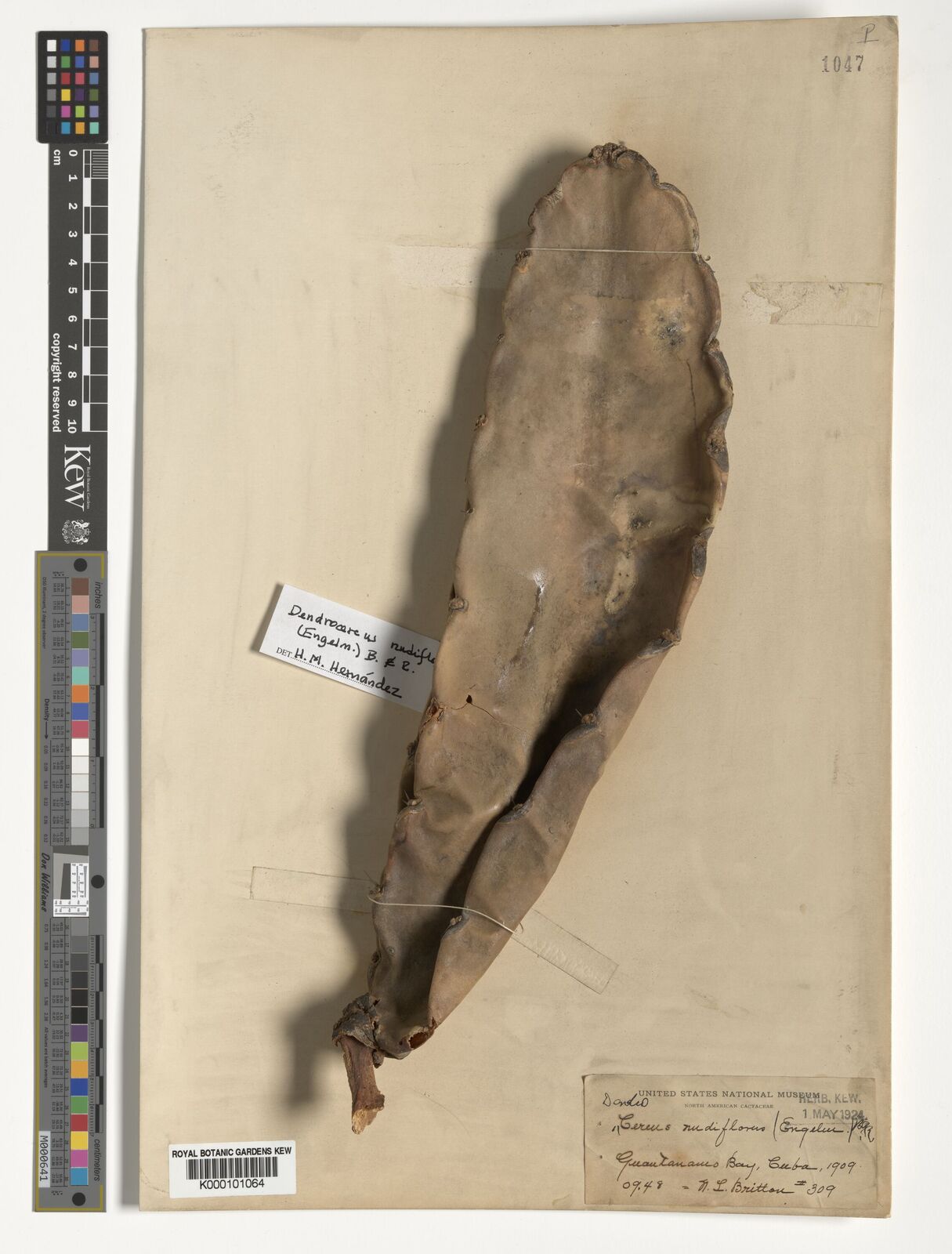
Leptocereus nudiflorus
Leptocereus nudiflorus is one of the most remarkable and monumental members of the Cactaceae family. Often growing in the form of a large succulent tree, this rare cactus plays an essential ecological role within the arid Caribbean forest ecosystems.
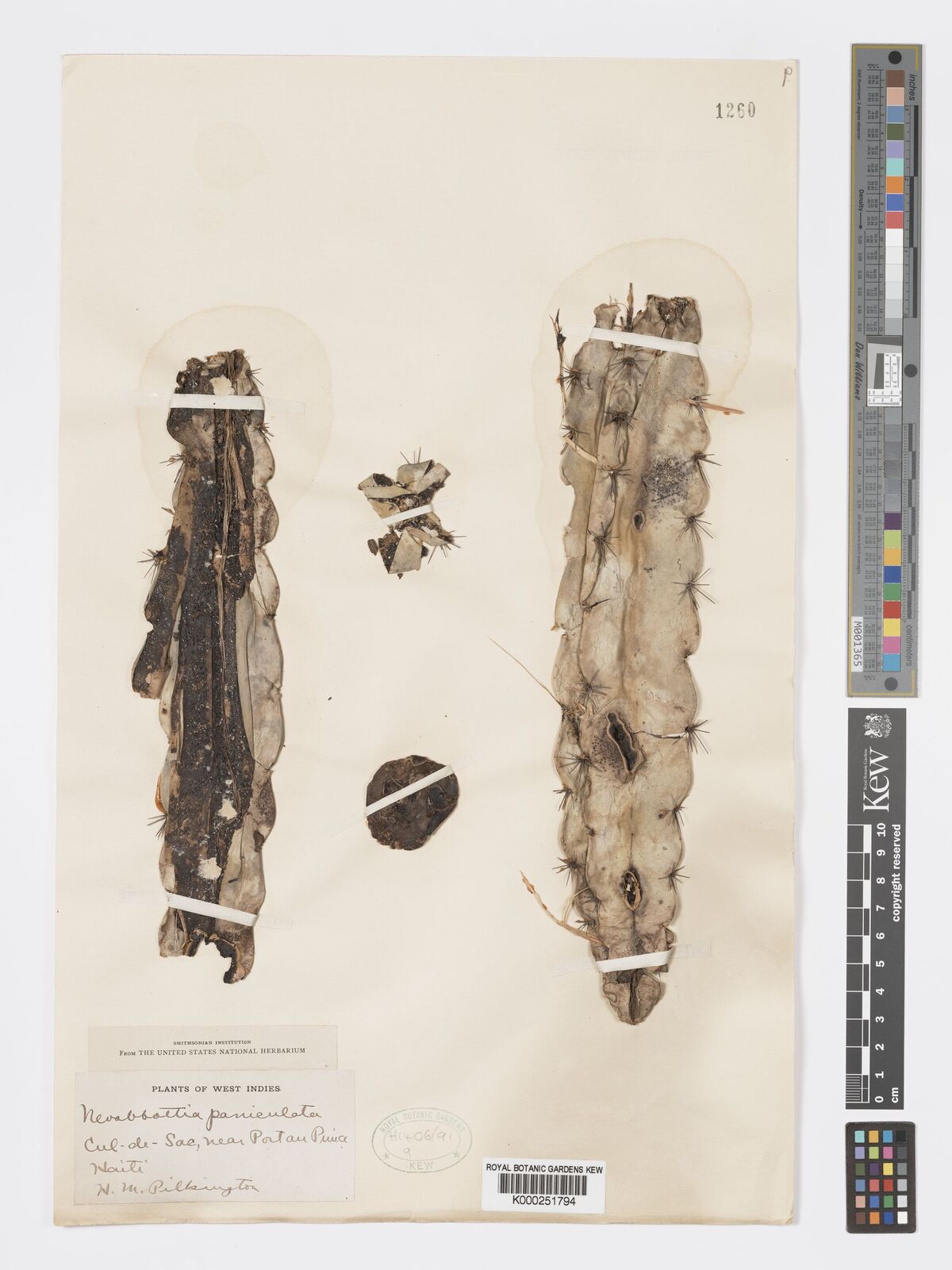
Leptocereus paniculatus
Leptocereus paniculatus is an endangered, arborescent succulent cactus species endemic to the seasonally dry tropical forests of the Caribbean . Characterized by its tree like habit, it represents a unique evolutionary lineage within the West Indian cacti.

Leptocereus quadricostatus
Leptocereus quadricostatus is a rare, treelike or shrubby cactus species belonging to the family Cactaceae. Known for its distinct angular branches, this species forms an integral part of the dry forest ecosystem in the Caribbean . Its architectural form makes it a highly prized specimen among specialized succulent collectors.
Leptocereus rosei
Leptocereus rosei is a rare and endangered shrubby cactus species belonging to the family Cactaceae. Adapted to the harsh, dry environments of the Caribbean, this unique species is characterized by its slender, ribbed stems and prominent spine clusters.

Leptocereus scopulophilus
Leptocereus scopulophilus is a critically endangered, tree like cactus species belonging to the family Cactaceae. Confined to highly restricted limestone habitats, this species represents a prime subject for botanical conservation and specialized succulent collections .

Leptocereus septentrionalis
Leptocereus septentrionalis is an extremely rare and critically endangered shrubby cactus species within the Cactaceae family . Native to the Caribbean islands, this species is characterized by its slender ribbed stems and branching habit. Due to severe habitat loss, it is a high priority species for botanical conservation.

Leptocereus sylvestris
Leptocereus sylvestris is an extremely rare, tree like cactus species belonging to the family Cactaceae . Endemic to specific Cuban regions, this species is highly threatened in its natural habitat due to deforestation.
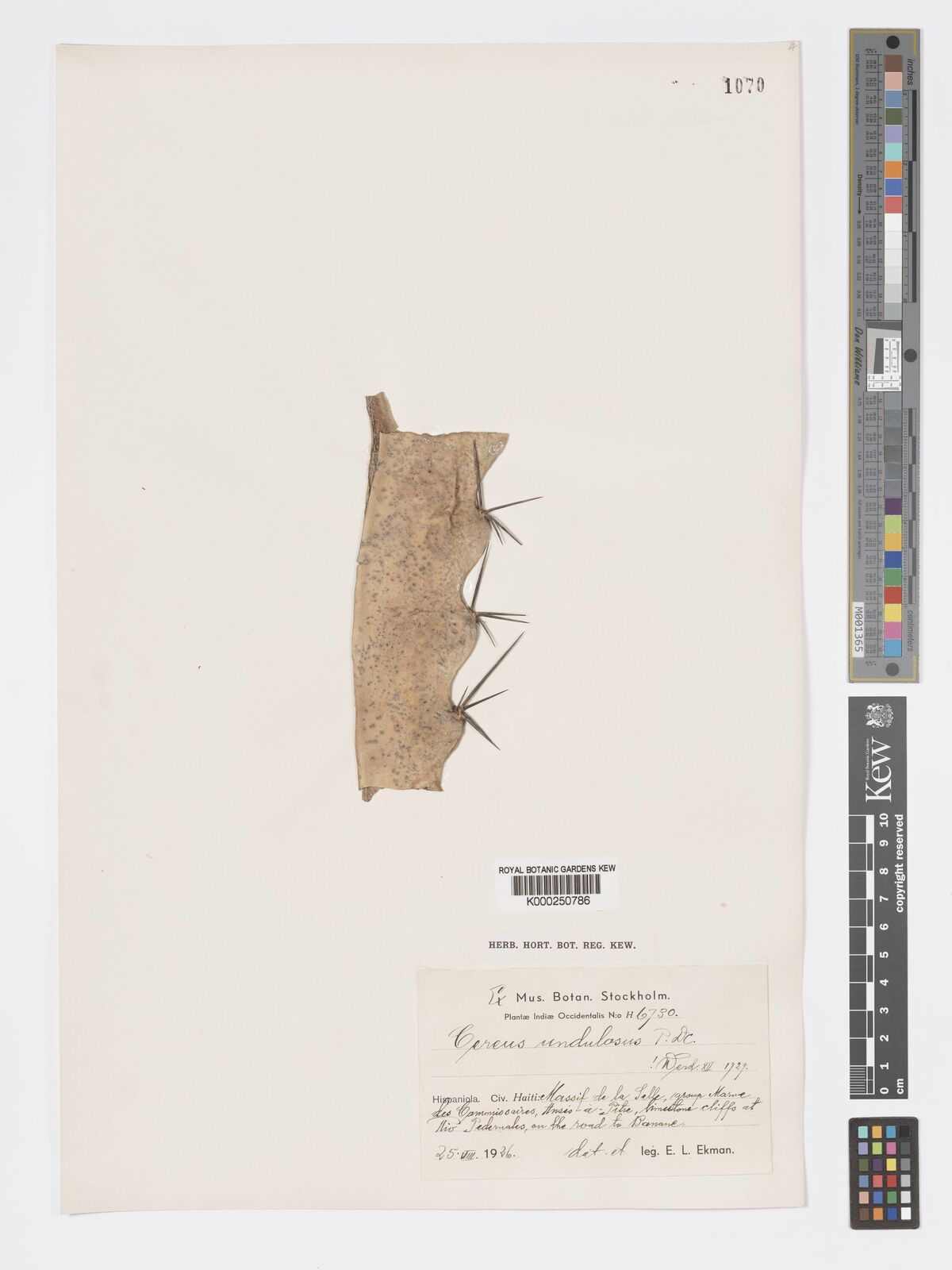
Leptocereus undulosus
Leptocereus undulosus is a rare, tree like or shrubby cactus species belonging to the Cactaceae family . Native to the dry forests of the Caribbean, it is characterized by its distinct wavy ribs and arborescent growth habit.

Leptocereus velozianus
Leptocereus velozianus is an extremely rare, endemic shrubby cactus belonging to the Cactaceae family. Due to habitat loss, it is currently categorized as highly threatened in its wild environment.

Leptocereus weingartianus
Leptocereus weingartianus is a rare, scrambling or shrubby cactus species belonging to the Cactaceae family. Endemic to the Caribbean, this species is primarily found in the dry shrublands and seasonally dry tropical forests of Hispaniola . It is characterized by its slender, heavily spined stems and branching habit.

Leptocereus wrightii
Leptocereus wrightii is an extremely rare, climbing or shrubby cactus species belonging to the family Cactaceae. Known for its unique growth habit and endangered status, this plant holds significant value for botanical research and specialized succulent collections .
