
Light
Bright Indirect Light
Requires bright, indirect light or filtered morning sun. Avoid harsh midday rays.
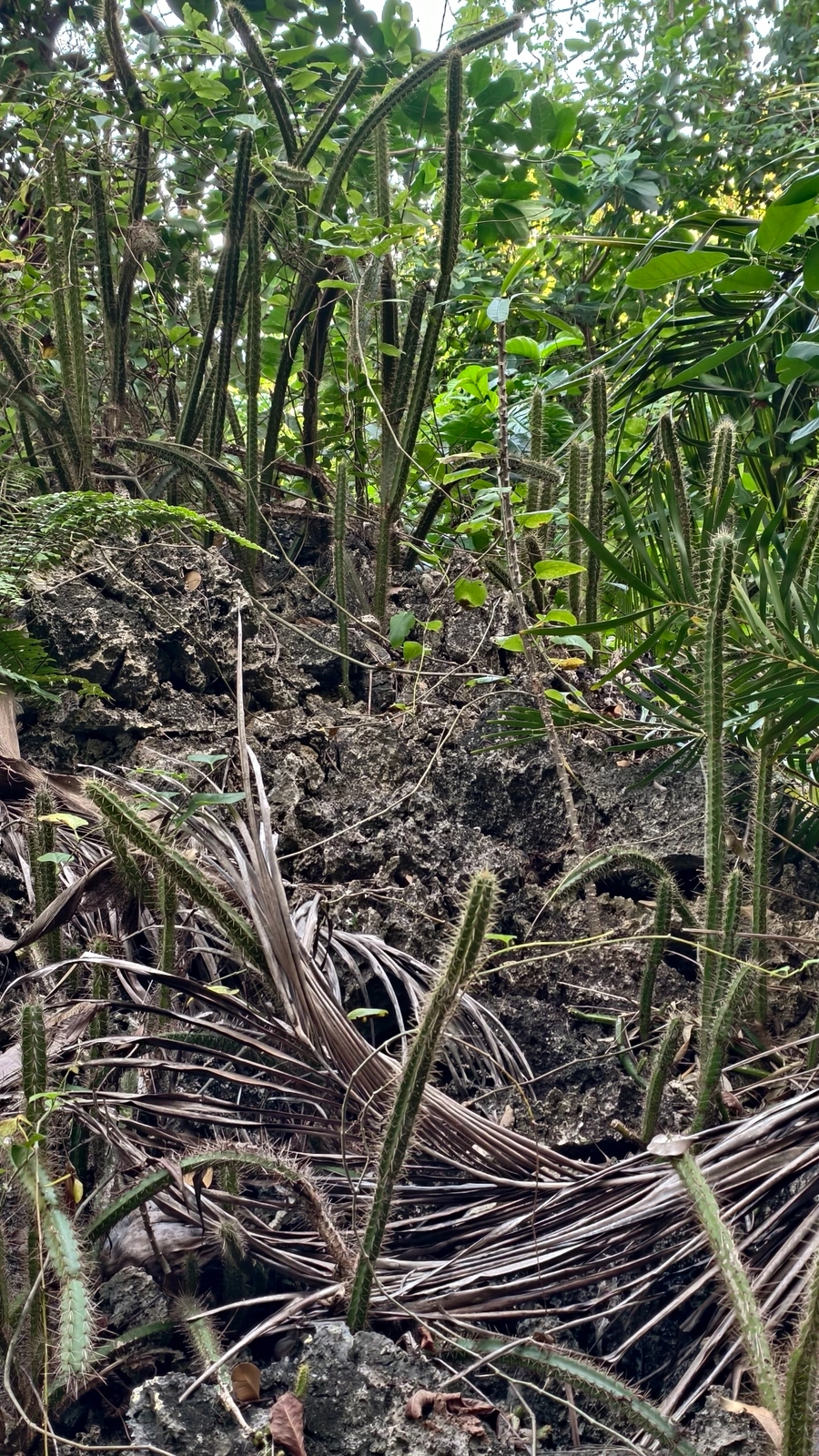 Reference image
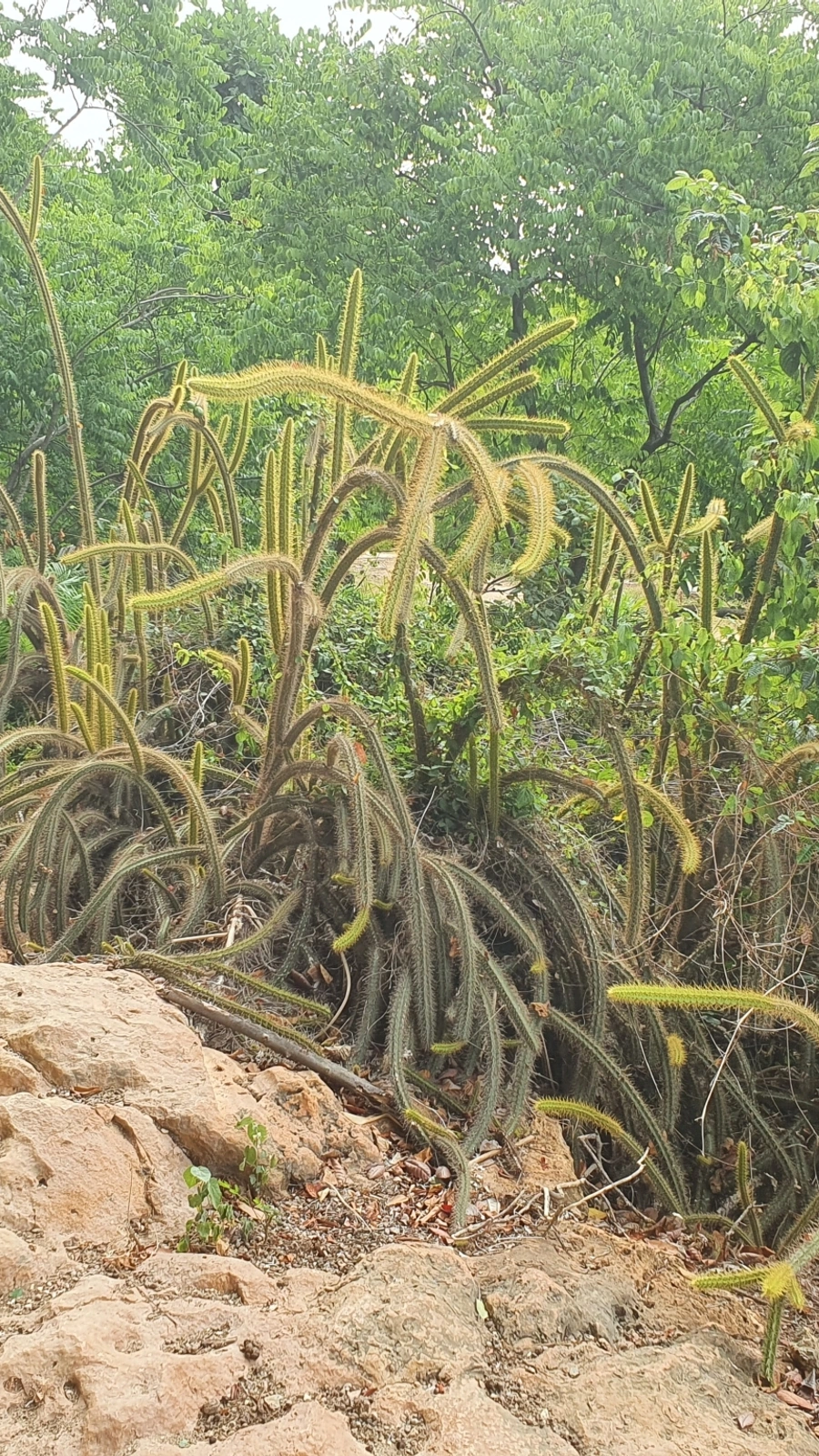 Reference image
Cliff-Loving Leptocereus
Leptocereus cremnophilus is an extremely rare and critically endangered cactus species belonging to the Cactaceae family 1. Known for its lithophytic lifestyle, it has adapted to survive on vertical cliffs where few other plants can establish.
Belonging to the genus Leptocereus, the species name 'cremnophilus' is derived from Greek, literally meaning 'cliff-loving'. It was taxonomically identified to describe the unique, pendant cacti clinging to limestone walls in the Caribbean 1.
Native to the Caribbean, specifically localized populations in the Dominican Republic and Cuba 2. It thrives exclusively on sheer limestone cliffs and steep rocky formations within seasonally dry tropical biomes, tolerating strong winds and occasional salt spray.
This cactus features slender, cylindrical, sprawling or pendulous stems. The rib structures are well-defined, lined with small areoles containing sharp, light-colored spines. Its small nocturnal flowers are tubular, greenish-white to pale yellow, designed for specific night pollinators 2.
In cultivation, this species is highly demanding. It requires an airy, highly porous mineral substrate rich in limestone and pumice to replicate its native cliffside soil chemistry. It is highly sensitive to frost and must be overwintered indoors in cooler zones.
Using dense potting soils and overwatering are the leading causes of root rot and plant loss 1. Lack of adequate air circulation or placing it in deep shade will cause weak, etiolated stem growth.
Requires bright, indirect light or filtered morning sun. Avoid harsh midday rays.
Water thoroughly only after the substrate has completely dried out.
Highly porous, limestone-enriched grit and pumice mixture.
Spiny stems require careful handling. Keep away from curious pets.
Recommended for experienced collectors due to strict drainage and climate needs.
Found on the sheer coastal limestone cliffs of the Dominican Republic and Cuba. It is naturally adapted to rugged, windy, and dry coastal microclimates.
