
Light
Bright Indirect Light
Thrives in bright, indirect light or filtered sunlight. Avoid direct, intense midday sun which can scorch the stems.
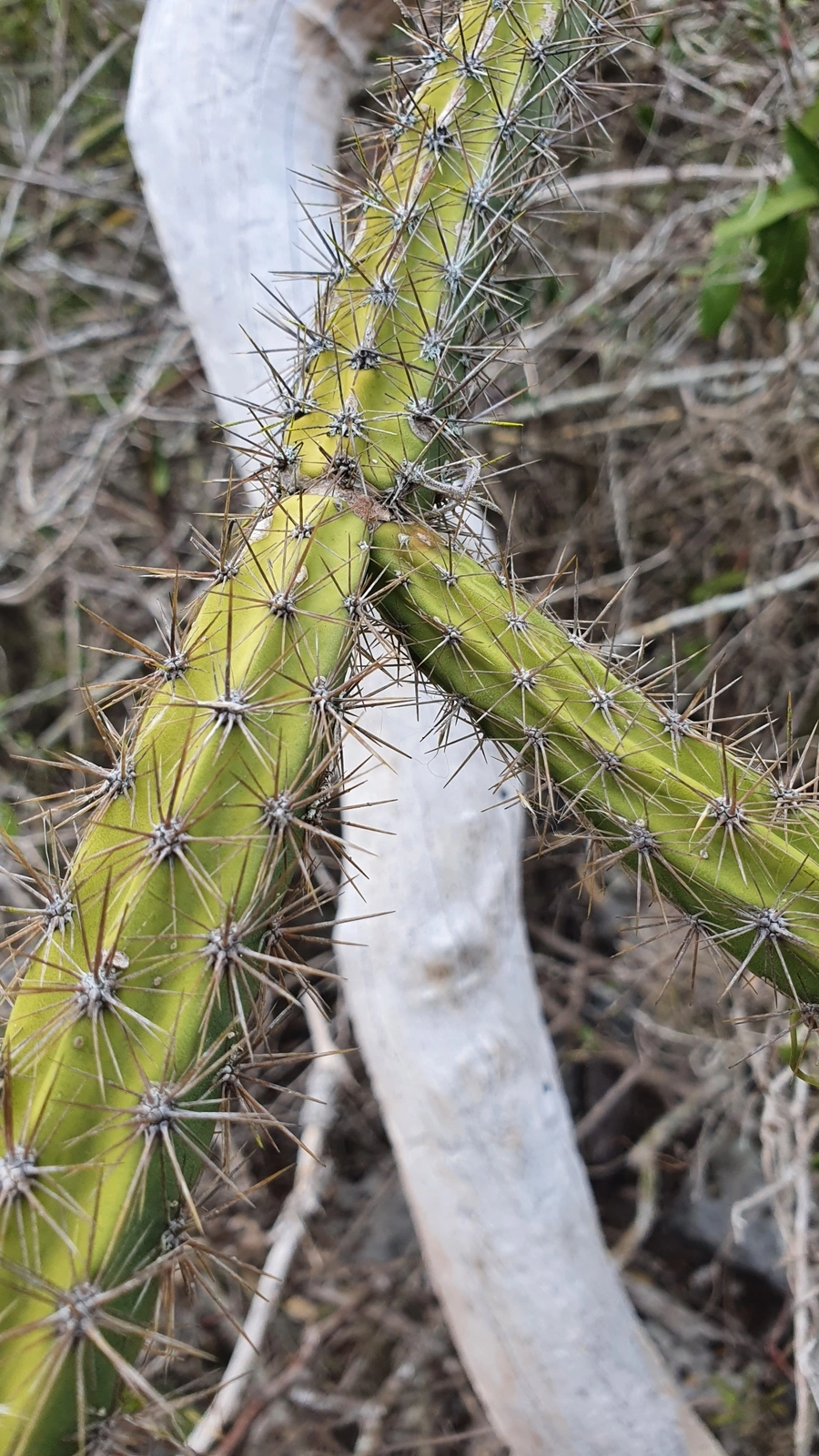 Reference image
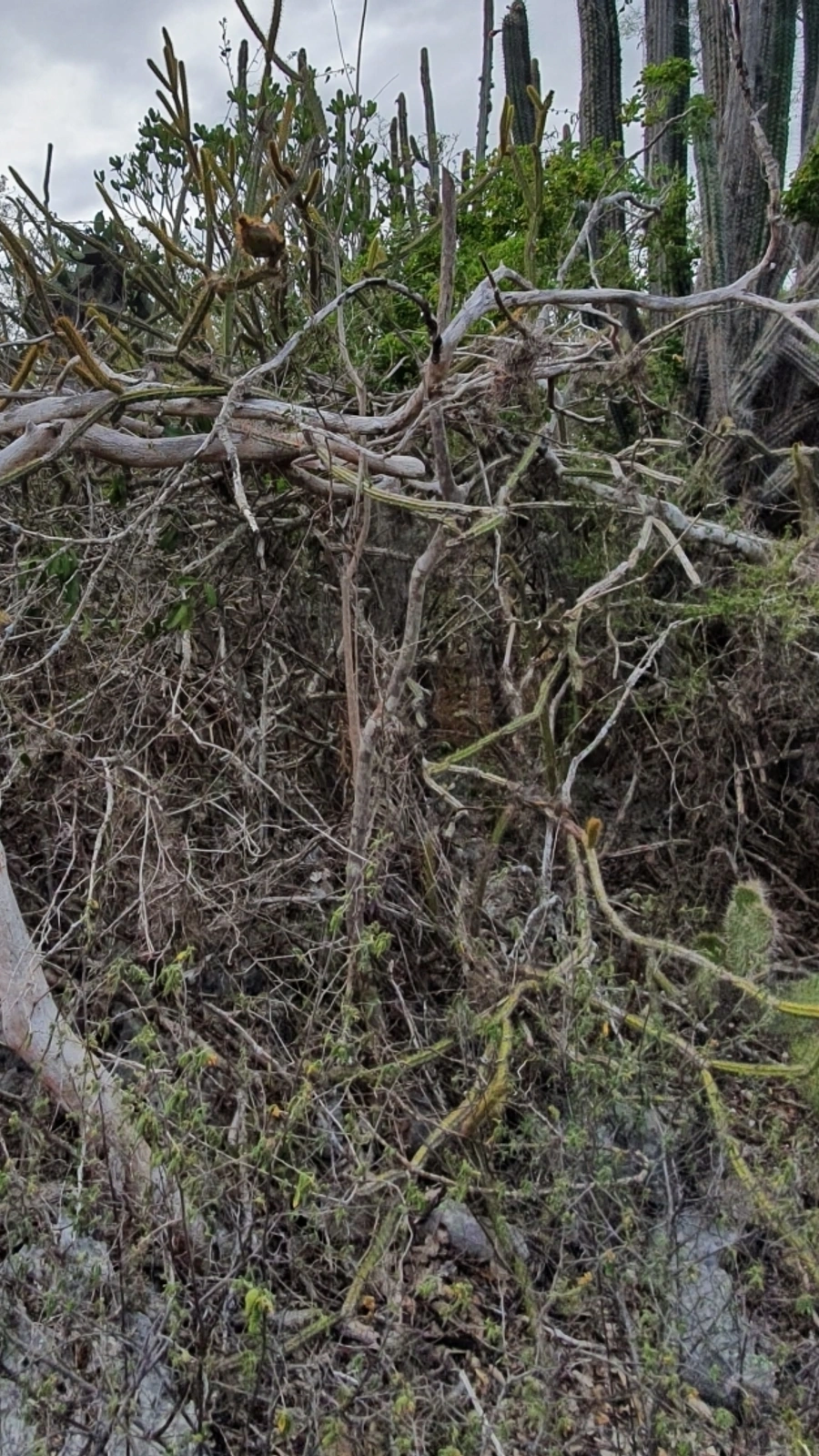 Reference image
Drooping Slender Cereus
Leptocereus demissus is a rare, critically endangered cactus species belonging to the family Cactaceae 1. It is characterized by its slender, often drooping or sprawling stems, which have adapted to specific microclimates in dry tropical zones.
Classified under the genus Leptocereus, its species epithet "demissus" is derived from Latin, meaning hanging down or drooping, describing its typical growth habit. It represents an evolutionary relic of Caribbean columnar cacti 2.
This species is strictly endemic to the Dominican Republic in the Caribbean 1. It is found in seasonally dry tropical biomes, primarily anchoring itself on limestone cliffs, rocky crevices, and within arid scrub vegetation.
The stems are slender, cylindrical, and divided into several thin ribs with small, spiny areoles. Flowers are relatively small, nocturnal, tubular in shape, and typically adapted for pollination by local nocturnal insects.
In cultivation, it requires a highly porous mineral substrate mimicking its natural limestone habitat 2. Maintaining minimum winter temperatures above 10°C and restricting water during the cold season is essential for survival.
Overwatering, utilizing dense potting mixes without proper aeration, and exposure to cold, damp drafts are the leading causes of root rot and plant loss.
Thrives in bright, indirect light or filtered sunlight. Avoid direct, intense midday sun which can scorch the stems.
Allow the potting mix to dry out fully before watering. Keep almost dry during the winter months.
Requires excellent drainage. A mix of pumice, coarse sand, and a small amount of limestone gravel is recommended.
Non-toxic to pets, but the sharp spines can cause physical injury, so keep out of reach of animals and children.
Moderately difficult; success depends heavily on preventing overwatering and protecting the plant from cold temperatures.
Endemic to the Dominican Republic, where it grows in seasonally dry tropical forests and on rocky, limestone-rich slopes.
