
Light
Filtered Sun
Requires bright, indirect sunlight or filtered light to prevent skin scorching.
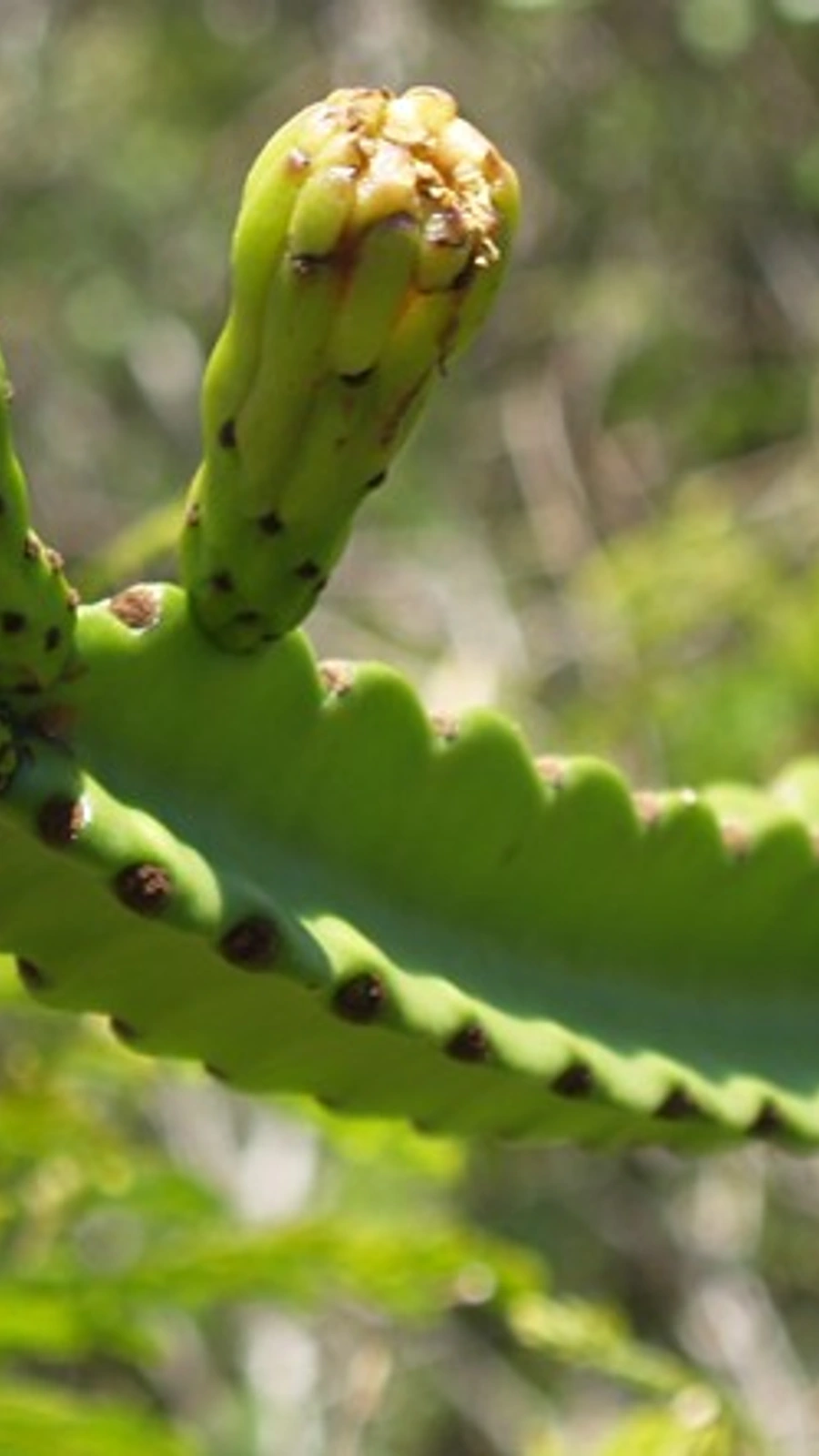 Reference image
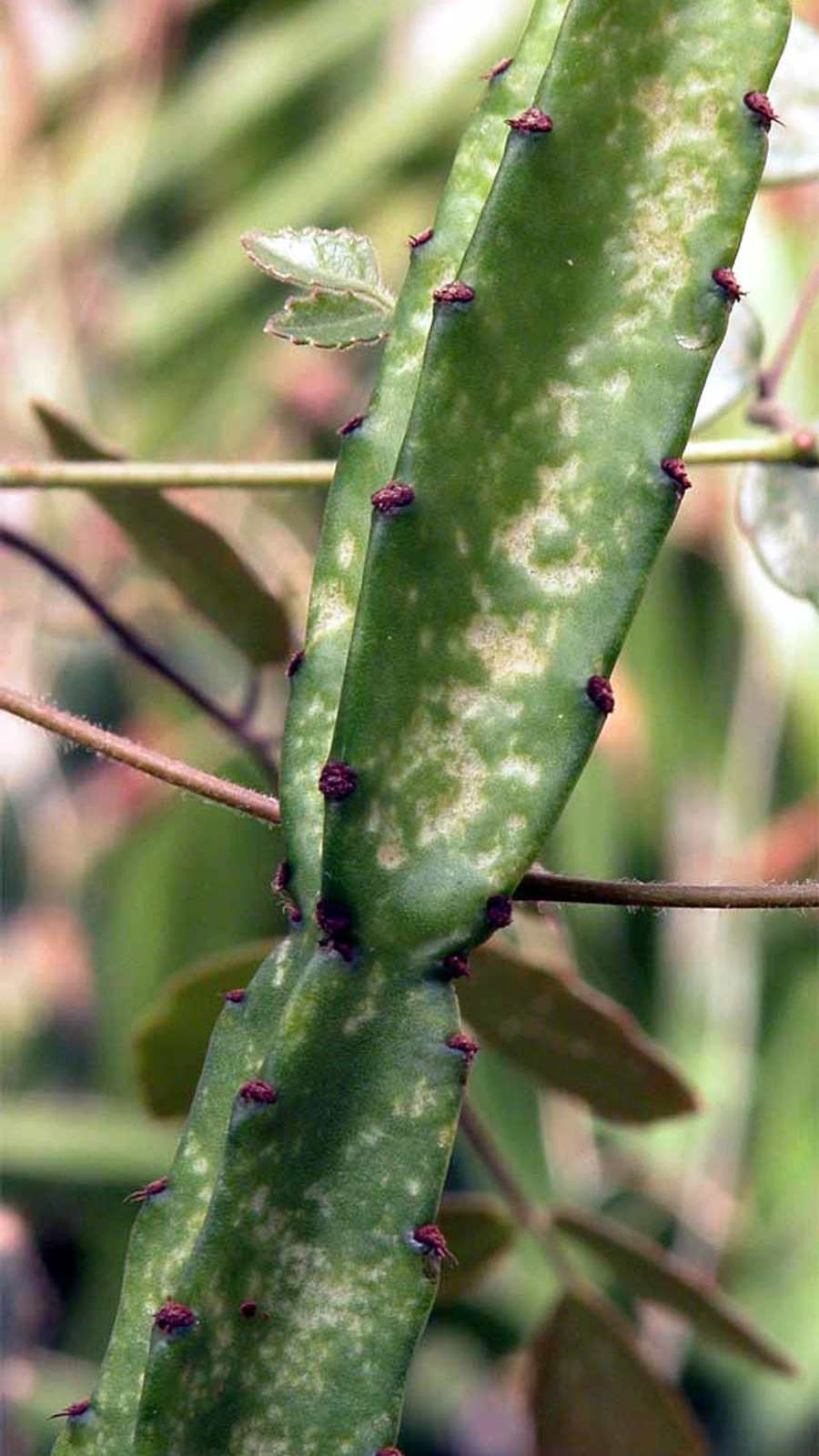 Reference image
Puerto Rico Island-Cactus
Leptocereus grantianus is an extremely rare, critically endangered shrubby cactus belonging to the family Cactaceae 1. Endemic to specific dry coastal habitats in the Caribbean, it represents a unique evolutionary lineage adapted to seasonally dry tropical climates.
The species was formally described by the eminent American botanists Nathaniel Lord Britton and Joseph Nelson Rose 2. The specific epithet "grantianus" honors Chapman Grant, a notable herpetologist and conservation contributor in the Puerto Rican region.
This species is naturally restricted to Culebra Island, Puerto Rico, and its surrounding offshore cays 1. It thrives primarily on limestone cliffs, rocky coastal shores, and within the understory of Caribbean dry deciduous forests.
It exhibits a suberect, sprawling, or climbing habit, growing up to 2 meters tall. The stems typically have 3 to 5 prominent ribs with ареoles that bear tiny, transient spines that are often shed as the branches mature. Its nocturnal flowers are small, tubular, and greenish-white, followed by globose, reddish-purple fruits.
In cultivation, it requires a highly porous gritty medium with limestone fragments to mimic its native substrate 2. It prefers filtered or dappled sunlight rather than intense, scorching direct sun, and is sensitive to frost.
The most prevalent failure is root rot triggered by overwatering or compacted soil with poor drainage. Additionally, exposing the plant to prolonged temperatures below 10°C often leads to cold damage and subsequent stem collapse.
Requires bright, indirect sunlight or filtered light to prevent skin scorching.
Drench thoroughly only when the soil is completely dry, and keep dry in winter.
A highly porous, mineral-rich mix containing pumice, gravel, and limestone.
Non-toxic to pets, but handle with care due to small spines on younger stems.
Moderate care; requires strict watering discipline and warm winter temperatures.
Endemic to the Caribbean, this species is naturally confined to the dry coastal cliffs and seasonal tropical scrublands of Culebra Island and nearby islets in Puerto Rico.
