
Light
Bright Indirect Light
Prefers bright, indirect light; avoid intense, direct afternoon sun.
 Reference image
 Reference image
Wright's Leptocereus
Leptocereus wrightii is an extremely rare, climbing or shrubby cactus species belonging to the family Cactaceae. Known for its unique growth habit and endangered status, this plant holds significant value for botanical research and specialized succulent collections 1.
The genus Leptocereus is predominantly native to the Caribbean islands. This species was named wrightii in honor of Charles Wright, a prominent 19th-century botanical collector who extensively documented the flora of Cuba 2.
This cactus is endemic to Cuba 1. It thrives in seasonally dry tropical forests, coastal scrublands, and rocky limestone cliffs. Due to severe habitat destruction and agricultural expansion, its wild populations have dwindled, placing it on the IUCN Red List as Critically Endangered (CR) 2.
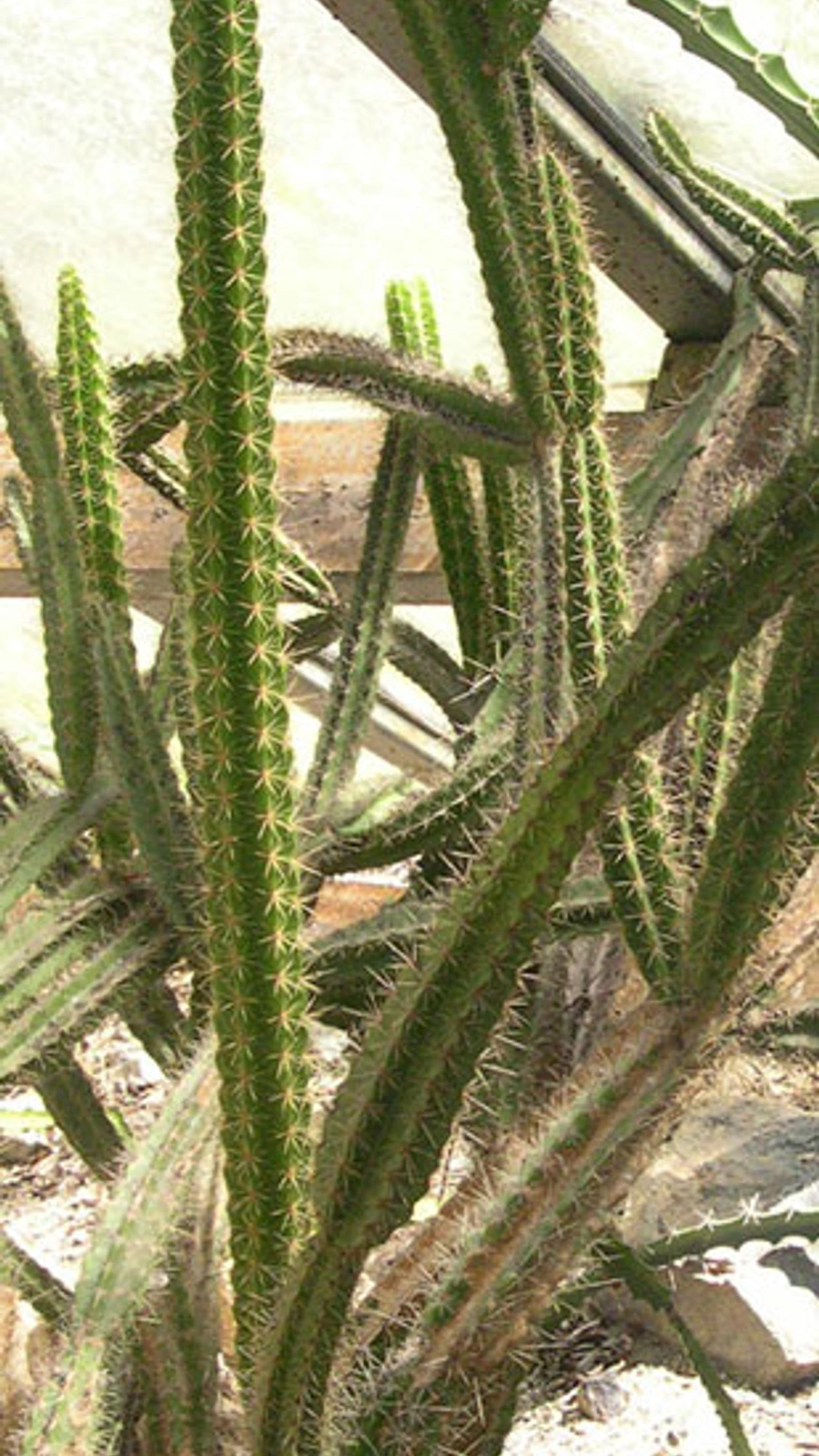
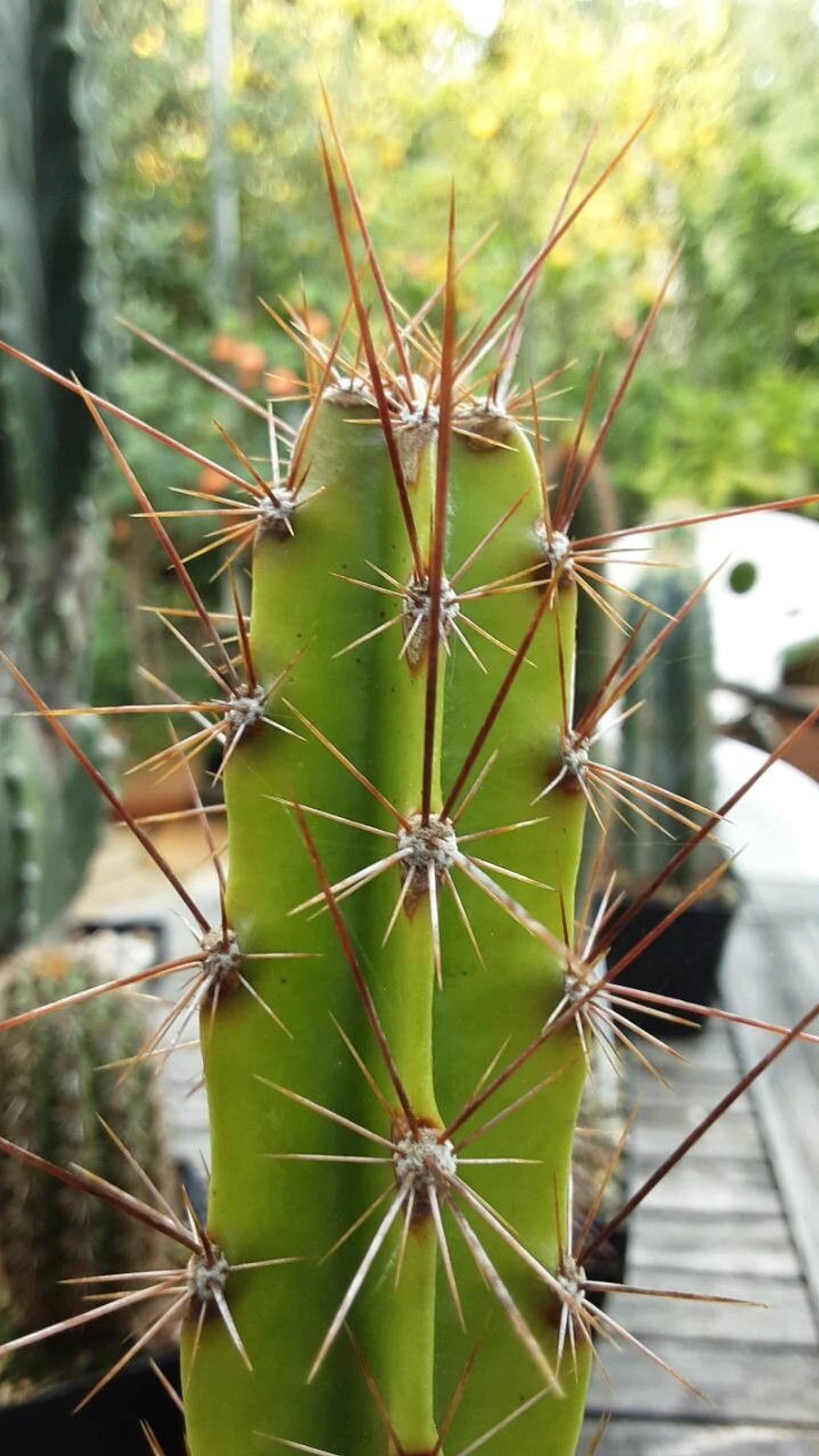
It features slender, ribbed, cylindrical stems that adopt a climbing or scrambling growth habit. The stems are armed with small areoles bearing fine, yellowish to brownish spines. It produces nocturnal flowers, which are typically greenish-white or cream-colored, adapted for pollination by bats or moths 1.
Unlike desert cacti, L. wrightii prefers a warm, humid tropical environment. It requires a very porous, organic-rich soil mix with excellent drainage. It performs best under bright, indirect light rather than scorching direct sunlight.
The most prevalent mistakes are overwatering during the dormant winter period and exposing the plant to cold drafts. Waterlogged soil quickly leads to root rot, while temperatures below 10°C can cause irreversible cellular damage 2.
Prefers bright, indirect light; avoid intense, direct afternoon sun.
Water thoroughly only when the top few inches of soil have dried out.
Highly porous cactus mix blended with limestone grit and pumice.
Contains fine spines; keep out of reach of children and pets.
Requires precise moisture control and warm conditions, making it best for experts.
Endemic to Cuba, growing as a climbing succulent in coastal scrublands and dry tropical forests on limestone cliffs.
