
Light
Bright Indirect Light
Bright indirect light or filtered morning sun is best to prevent sunburn.
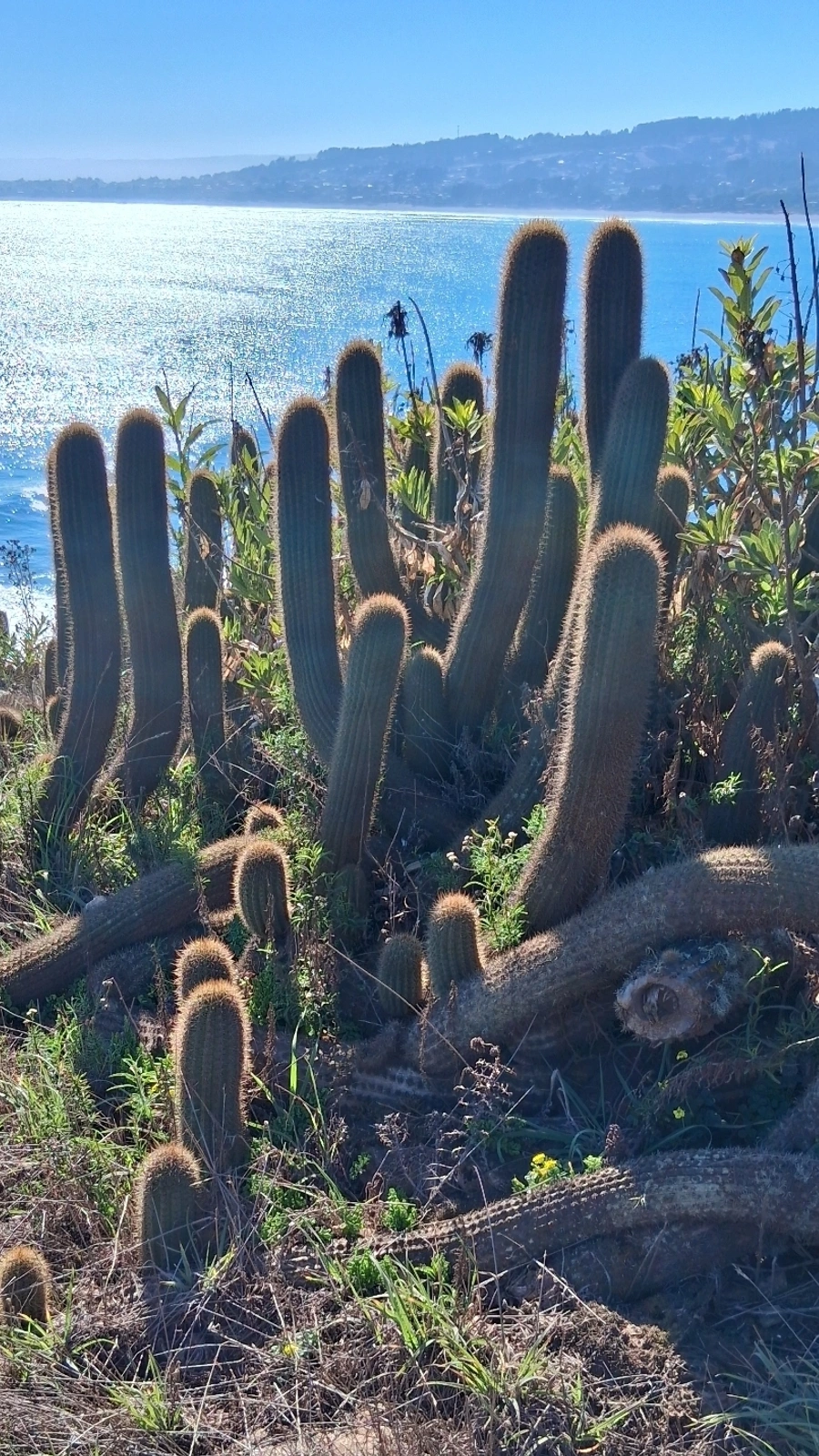 Reference image
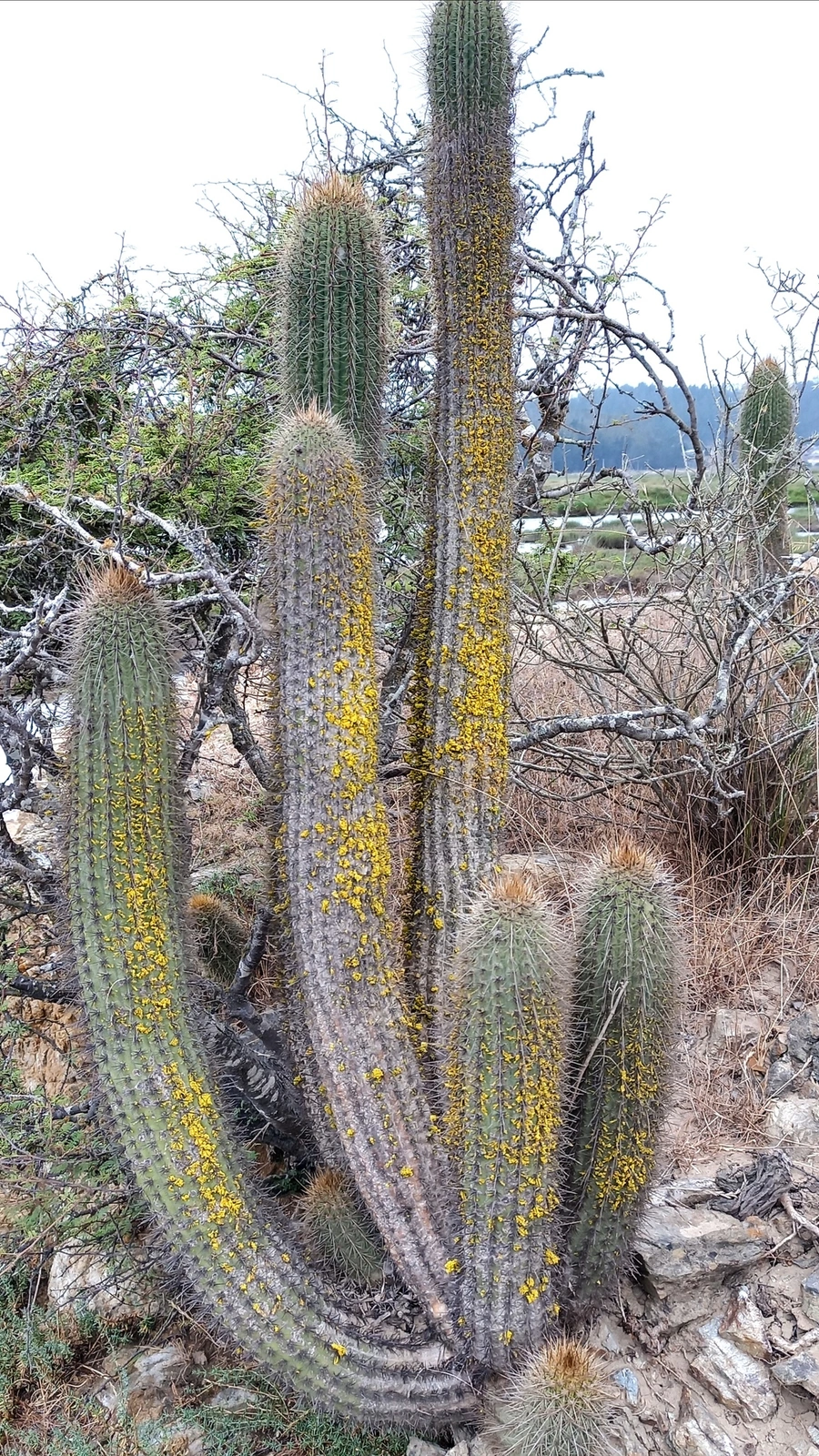 Reference image
Bolliger's Columnar Cactus
Leucostele bolligeriana is a rare, columnar succulent shrub belonging to the Cactaceae family, native to the coastal cliffs of central Chile. Due to habitat loss and highly localized distribution, it is considered an endangered species in the wild 1.
This species was named in honor of Thomas Bolliger, a Swiss botanist and cactus expert. It has undergone several taxonomic revisions, previously housed under the genera Trichocereus and Echinopsis, before molecular studies placed it in Leucostele 2.
Leucostele bolligeriana is restricted to the coastal matorral of central Chile. It thrives on steep rocky slopes and cliffs where it benefits from the Pacific coastal fog, locally known as 'camanchaca', which compensates for low rainfall.
It forms a branching shrub with grey-green columnar stems reaching up to 1-2 meters in height. The stems feature prominent ribs lined with fuzzy areoles bearing stout, yellowish-brown spines. Its large, nocturnal, funnel-shaped white flowers bloom in late spring to summer.
It requires bright, indirect sunlight or filtered direct sun. Soil must be exceptionally porous, composed mostly of mineral grits like pumice and coarse sand. Watering should be thorough but infrequent, allowing the substrate to dry out entirely.
Overwatering and the use of heavy, clay-heavy soils are the leading causes of root rot. Inadequate airflow combined with damp conditions during winter dormant periods will quickly damage the plant.
Bright indirect light or filtered morning sun is best to prevent sunburn.
Water thoroughly when soil is completely dry in summer; keep dry in winter.
Mineral-rich, well-draining soil with plenty of pumice and coarse sand.
Sharp spines can cause physical injury. Keep out of reach of pets and children.
Moderate, requiring careful watering control and proper winter rest.
Native to the central coastal cliffs and rocky slopes of Chile, thriving in a Mediterranean-type subtropical climate where ocean fog provides vital moisture.
