
Scientific taxonomy article
Auto-generated taxonomy record for Leucostele.
Leucostele
Auto generated taxonomy record for Leucostele.
Auto-generated taxonomy record for Leucostele.
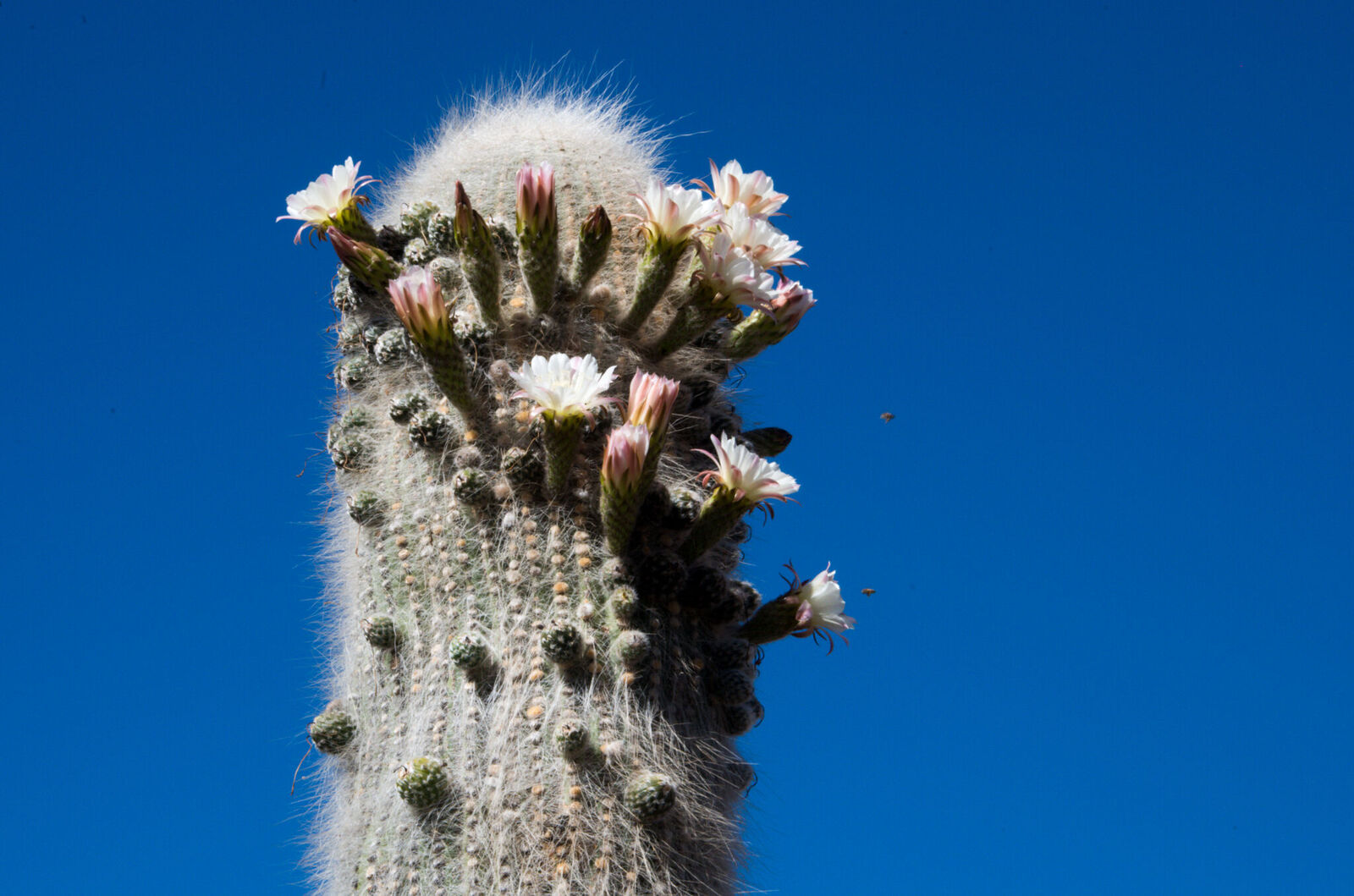
Leucostele atacamensis
Leucostele atacamensis , commonly known as cardón, is a massive, columnar tree like cactus native to the high altitude arid regions of the Andes. It plays a crucial ecological role in dry shrubland and desert ecosystems .

Leucostele bolligeriana
Leucostele bolligeriana is a rare, columnar succulent shrub belonging to the Cactaceae family, native to the coastal cliffs of central Chile. Due to habitat loss and highly localized distribution, it is considered an endangered species in the wild .
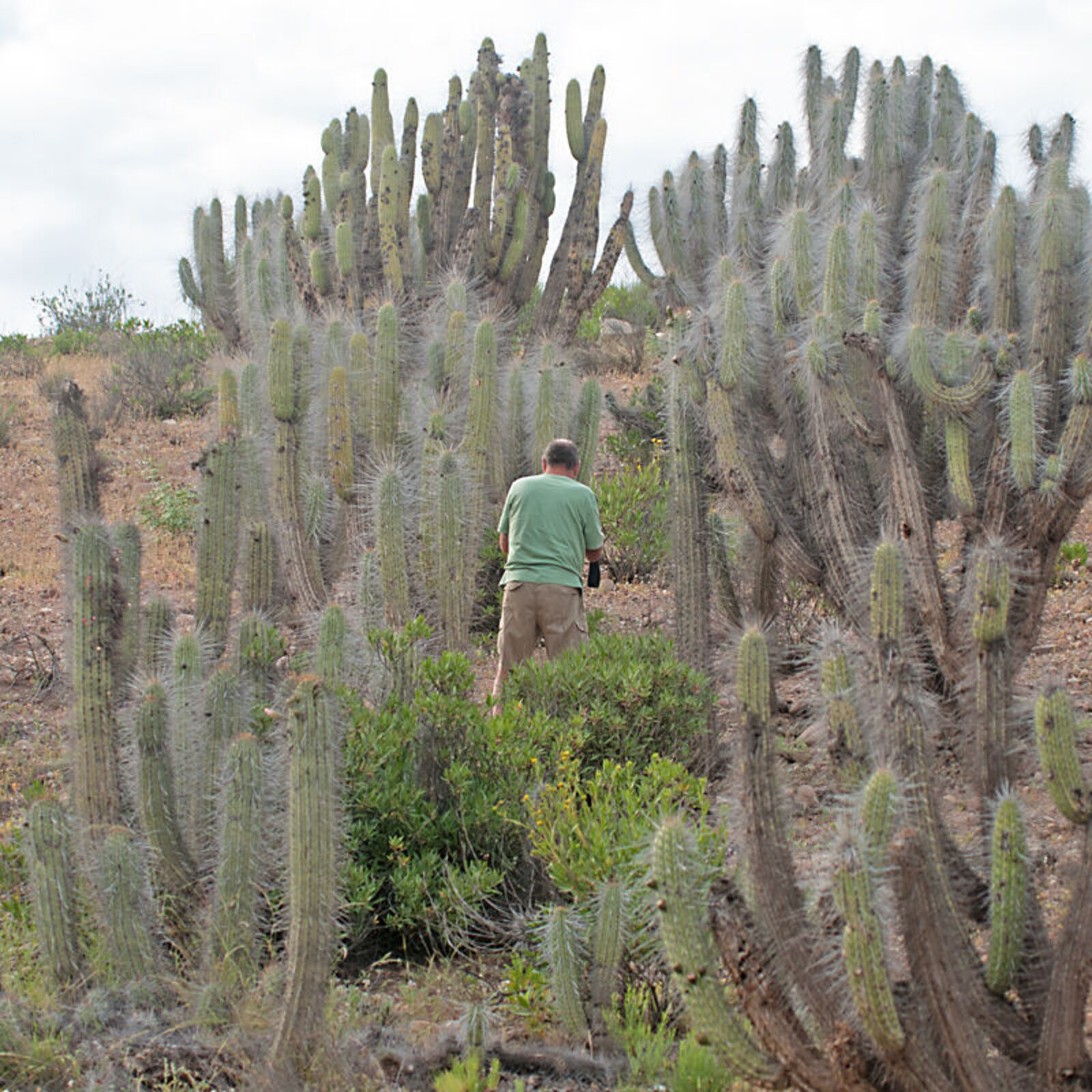
Leucostele chiloensis
Leucostele chiloensis (formerly classified as Echinopsis chiloensis ) is a majestic columnar cactus species endemic to Chile. Notable for its robust, tree like growth and formidable, needle sharp spines, this member of the Cactaceae family is highly prized in xeric landscaping and specimen cactus collections .
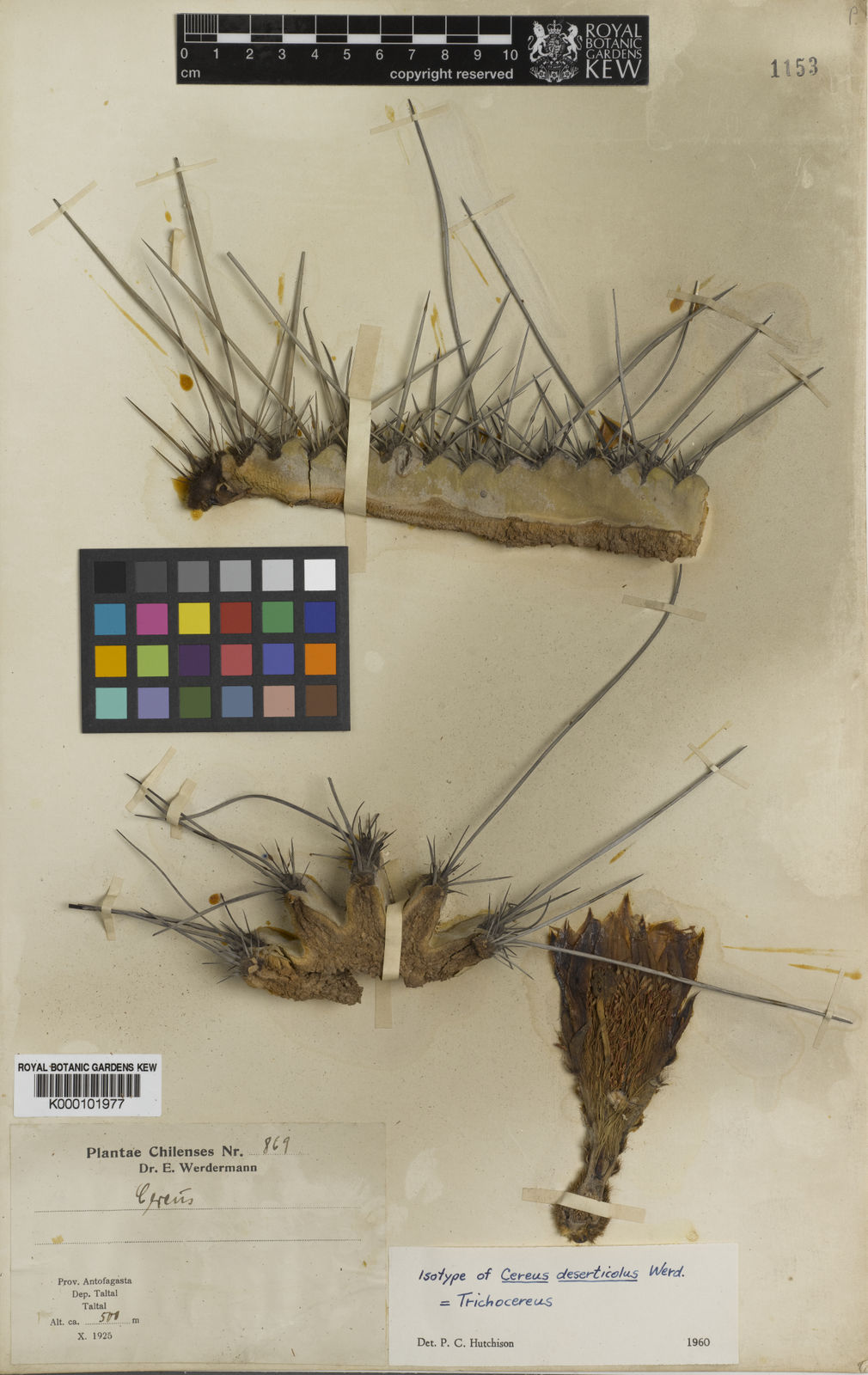
Leucostele deserticola
Leucostele deserticola (formerly classified as Echinopsis deserticola ) is an upright, shrubby columnar cactus belonging to the Cactaceae family. This resilient species is well adapted to extremely arid environments and is characterized by its densely spiny stems and attractive white, funnel shaped flowers .

Leucostele faundezii
Leucostele faundezii is a striking columnar cactus belonging to the family Cactaceae. In its native habitats, it develops into a robust succulent shrub or small tree . It is highly prized by succulent collectors for its dramatic, ribbed stem structures and prominent spination.

Leucostele litoralis
Leucostele litoralis (formerly known as Echinopsis litoralis or Trichocereus litoralis ) is a robust, shrubby columnar cactus belonging to the Cactaceae family, native to the coastal cliffs of Chile . It is well regarded for its adaptability to harsh seaside environments and its striking, large nocturnal white flowers.

Leucostele nigripilis
Leucostele nigripilis (formerly classified as Echinopsis nigripilis ) is a shrubby columnar cactus in the family Cactaceae, endemic to the arid coastal regions of Chile . It is highly appreciated for its dense, dark spination and large, nocturnal white flowers.

Leucostele pectinifera
Leucostele pectinifera is an eye catching, columnar, and heavily spined member of the cactus family (Cactaceae). Known among collectors for its highly symmetrical, comb like spine arrangement, this resilient species is exceptionally adapted to arid environments, making it a valued addition to succulent gardens and indoor collections.
Leucostele pectinifera
Leucostele pectinifera is an eye catching, columnar, and heavily spined member of the cactus family (Cactaceae). Known among collectors for its highly symmetrical, comb like spine arrangement, this resilient species is exceptionally adapted to arid environments, making it a valued addition to succulent gardens and indoor collections.
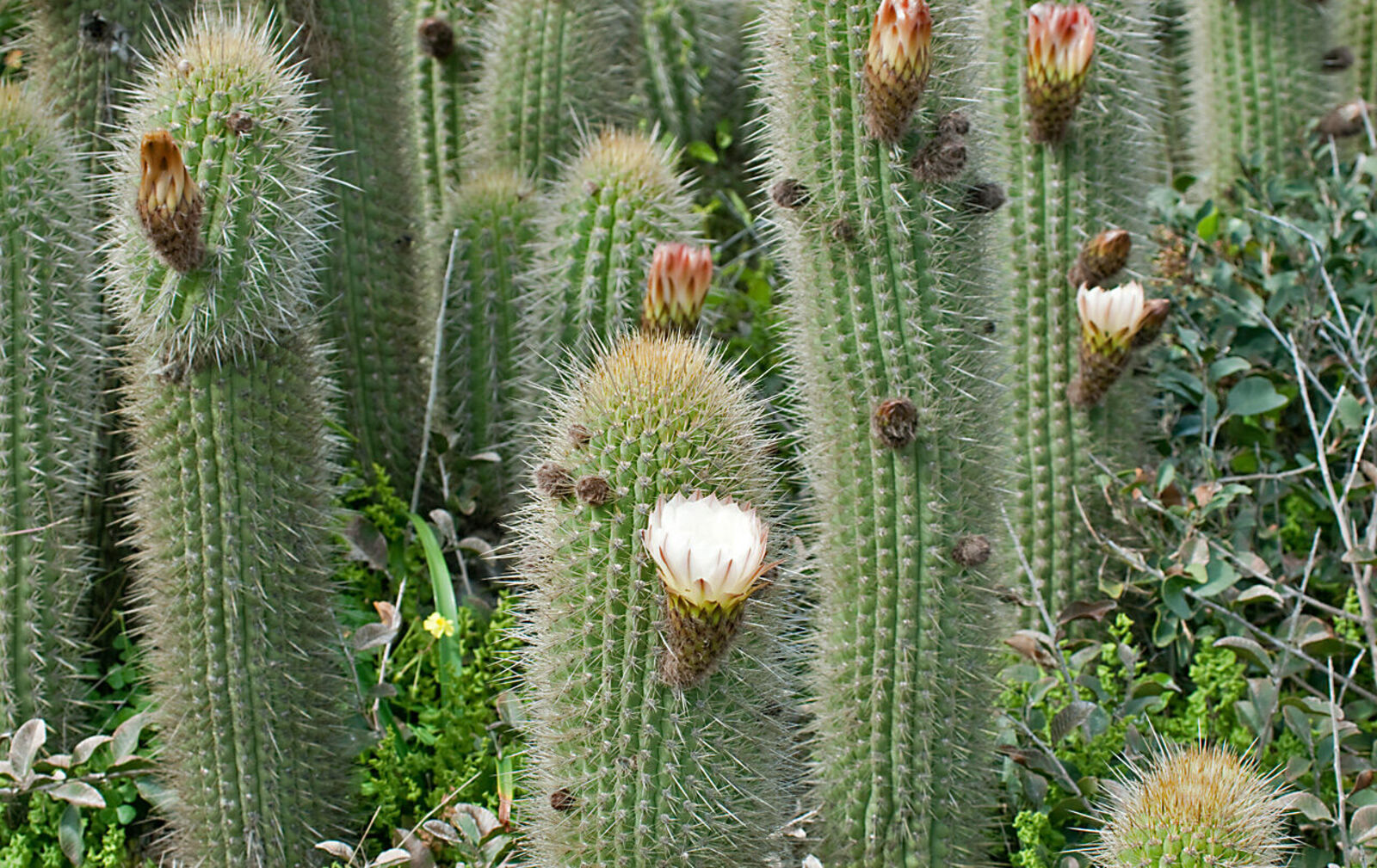
Leucostele skottsbergii
Leucostele skottsbergii (syn. Echinopsis skottsbergii or Trichocereus skottsbergii ) is an impressive, columnar, succulent shrub belonging to the family Cactaceae . Native to the arid and semi arid coastal zones of Chile, this species forms large, branched specimens in its natural habitat.
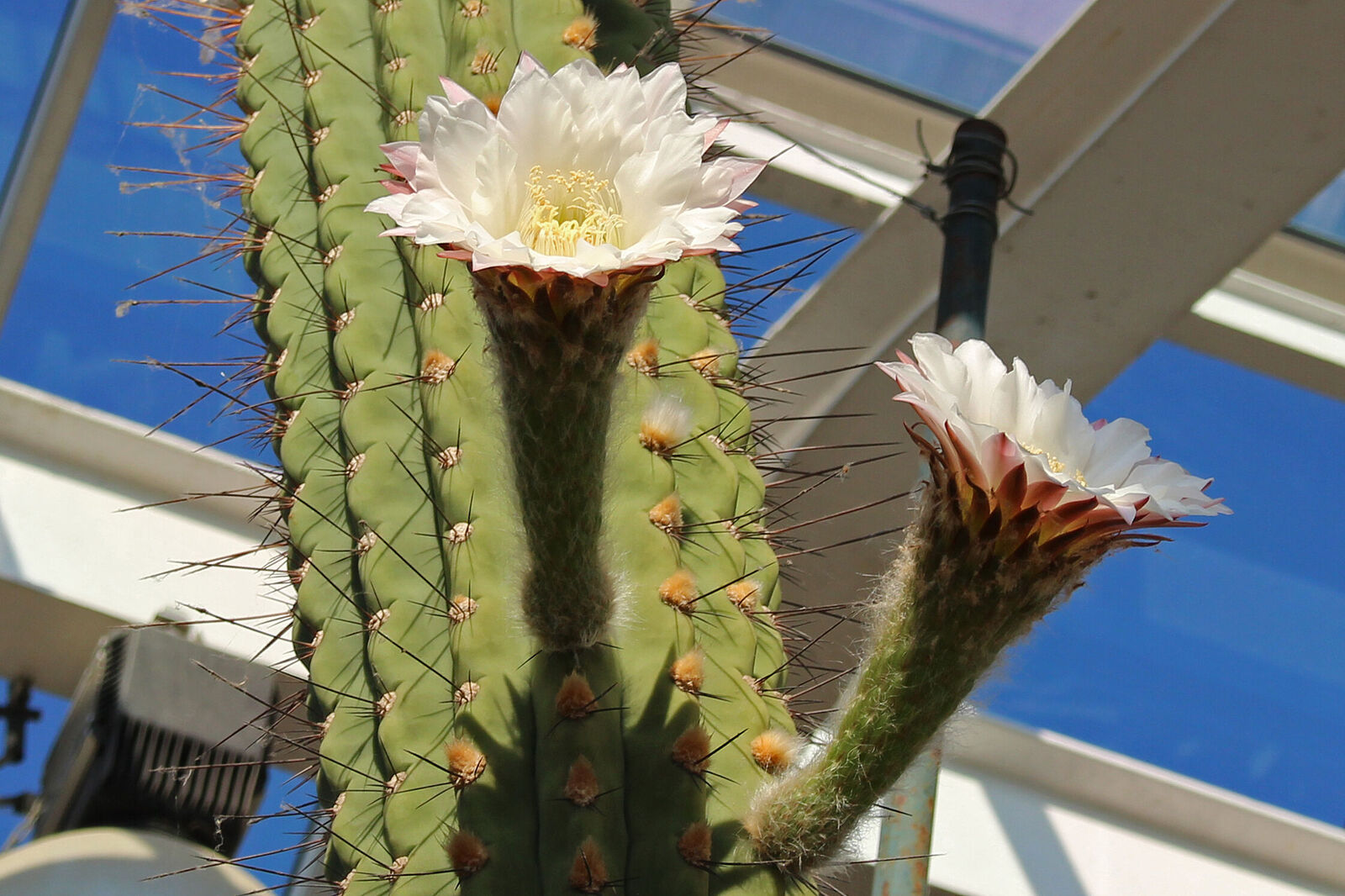
Leucostele terscheckii
Leucostele terscheckii (formerly known as Trichocereus terscheckii ), commonly referred to as the Cardon Grande or Argentine Saguaro, is a massive, tree like columnar cactus belonging to the family Cactaceae . Despite its striking morphological resemblance to the North American Saguaro ( Carnegiea gigantea ), it represents an independent evolutionary lineage native to the Southern Hemisphere.

Leucostele tunariensis
Leucostele tunariensis is a shrubby, perennial succulent cactus species native to the high altitude arid regions of Bolivia. Belonging to the Cactaceae family, this species is well adapted to surviving on rocky slopes and dry shrublands, making it a highly sought after plant for cactus collectors globally .

Leucostele undulosa
Leucostele undulosa is a distinctive, column forming cactus species belonging to the family Cactaceae. Known for its heavily ribbed, wavy stems and robust spination, this species is highly adapted to arid environments and is prized among succulent enthusiasts.

Leucostele werdermanniana
Leucostele werdermanniana (formerly known as Trichocereus werdermannianus ) is an impressive, columnar, perennial cactus species belonging to the family Cactaceae . Growing as a succulent shrub or tree in its natural habitat, it is highly sought after by collectors for its monumental stature and nocturnal blooms.
