
Light
Bright Indirect Light
Requires at least 6 hours of direct sun or very bright filtered light.
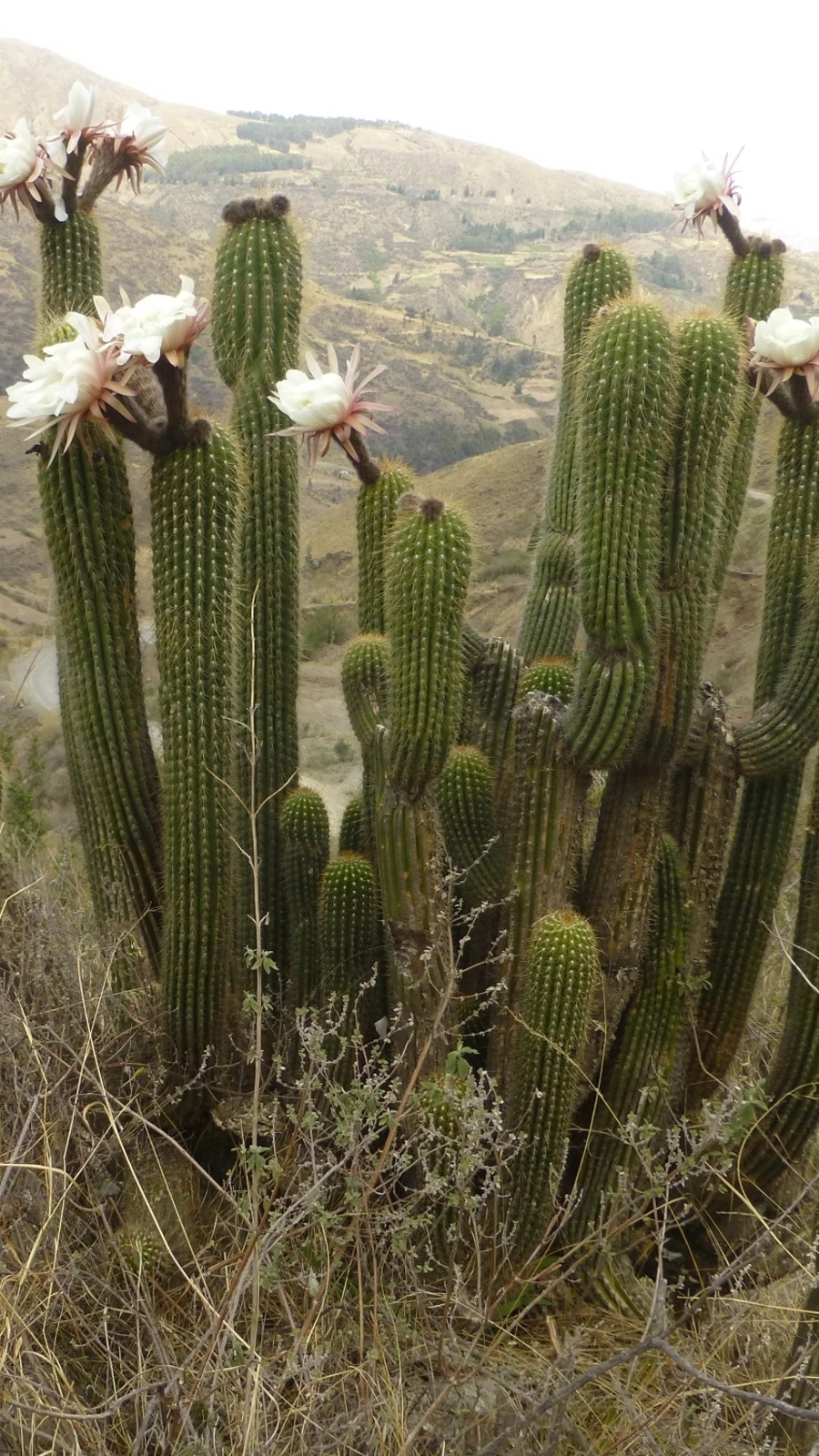 Reference image
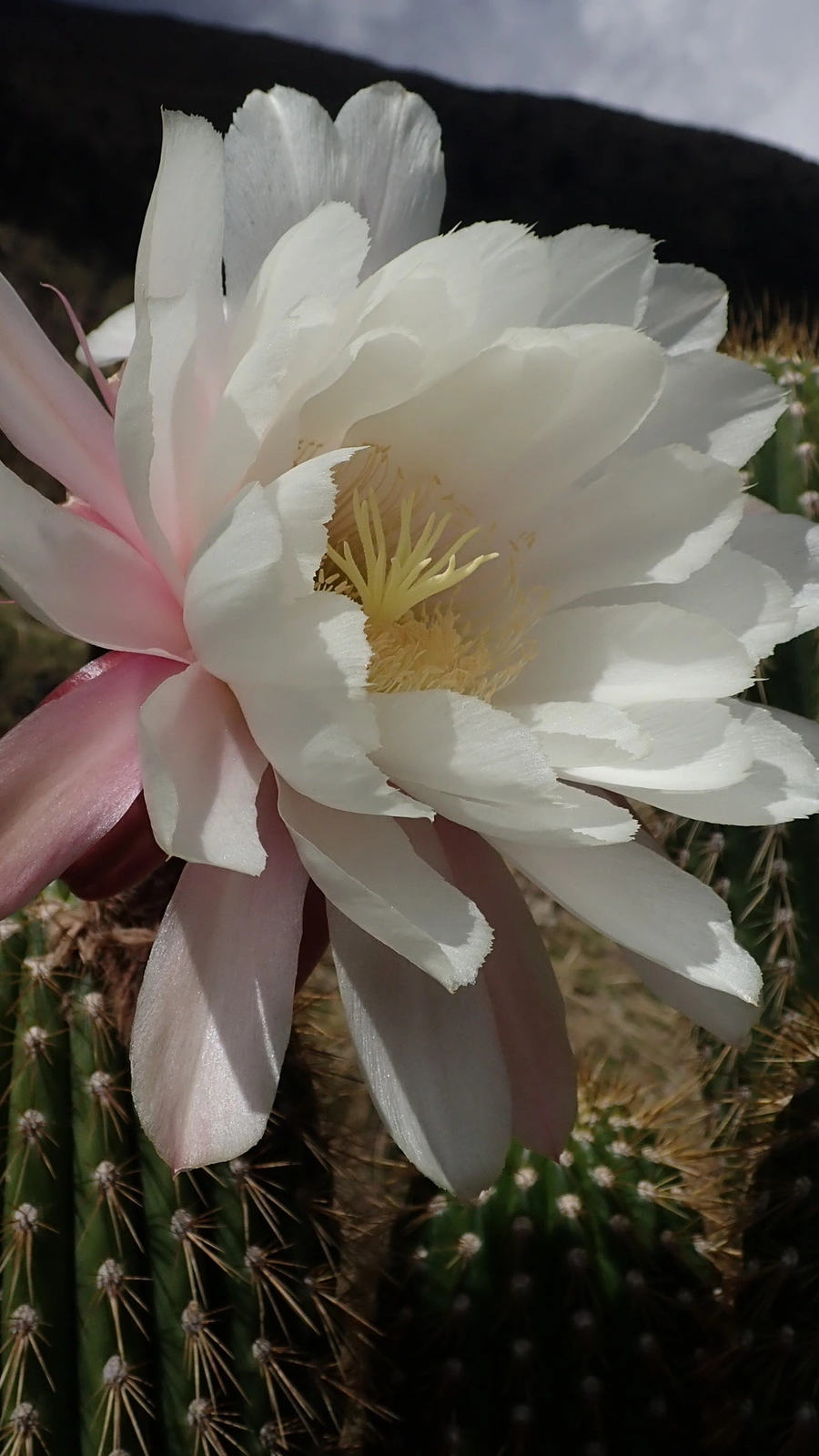 Reference image
Tunari Cactus
Leucostele tunariensis is a shrubby, perennial succulent cactus species native to the high-altitude arid regions of Bolivia. Belonging to the Cactaceae family, this species is well-adapted to surviving on rocky slopes and dry shrublands, making it a highly sought-after plant for cactus collectors globally 1.
Originally described as Trichocereus tunariensis and later integrated into the genus Echinopsis, recent phylogenetic revisions have classified this species under the genus Leucostele 2. The specific epithet 'tunariensis' references Mount Tunari (Cerro Tunari) in Bolivia, where the species is prominently distributed.
This species is endemic to the high Andes of Bolivia, South America, occurring at altitudes ranging between 2,500 and 3,500 meters above sea level 1. Growing in desert and dry shrubland biomes, it has adapted to endure high solar radiation, severe diurnal temperature fluctuations, and prolonged dry spells.
Leucostele tunariensis features semi-erect or decumbent columnar stems branching from the base. The stems are greyish-green with prominent ribs lined with fuzzy areoles that bear sharp, yellowish to brownish spines. During summer, it produces large, funnel-shaped, nocturnal white flowers that attract nocturnal pollinators 2.
In cultivation, it requires an extremely porous substrate rich in pumice, gravel, and coarse sand. It thrives in bright, indirect sunlight or direct morning sun. Water thoroughly during the active growing season only after the substrate has completely dried out, and maintain a strict dry winter rest to mimic its natural dormancy.
Overwatering and the use of heavy, moisture-retaining soils are the primary causes of root rot. Keeping the plant in warm, humid rooms during winter prevents proper dormancy, which ultimately inhibits the development of its beautiful summer blooms.
Requires at least 6 hours of direct sun or very bright filtered light.
Water only when the soil is dry to the bone; keep dry in winter.
Highly porous cactus mix enriched with pumice and coarse grit.
Equipped with sharp spines; harmless in terms of toxicity, but handle with care.
Easy to moderate, provided winter watering is strictly avoided.
Native to the high-altitude Andean slopes and dry valleys of Bolivia, particularly around the Cerro Tunari mountain range, where it thrives in rocky, well-draining terrains.
