
Light
Full Sun
Requires full, direct sunlight; partial shade causes weak, thin growth.
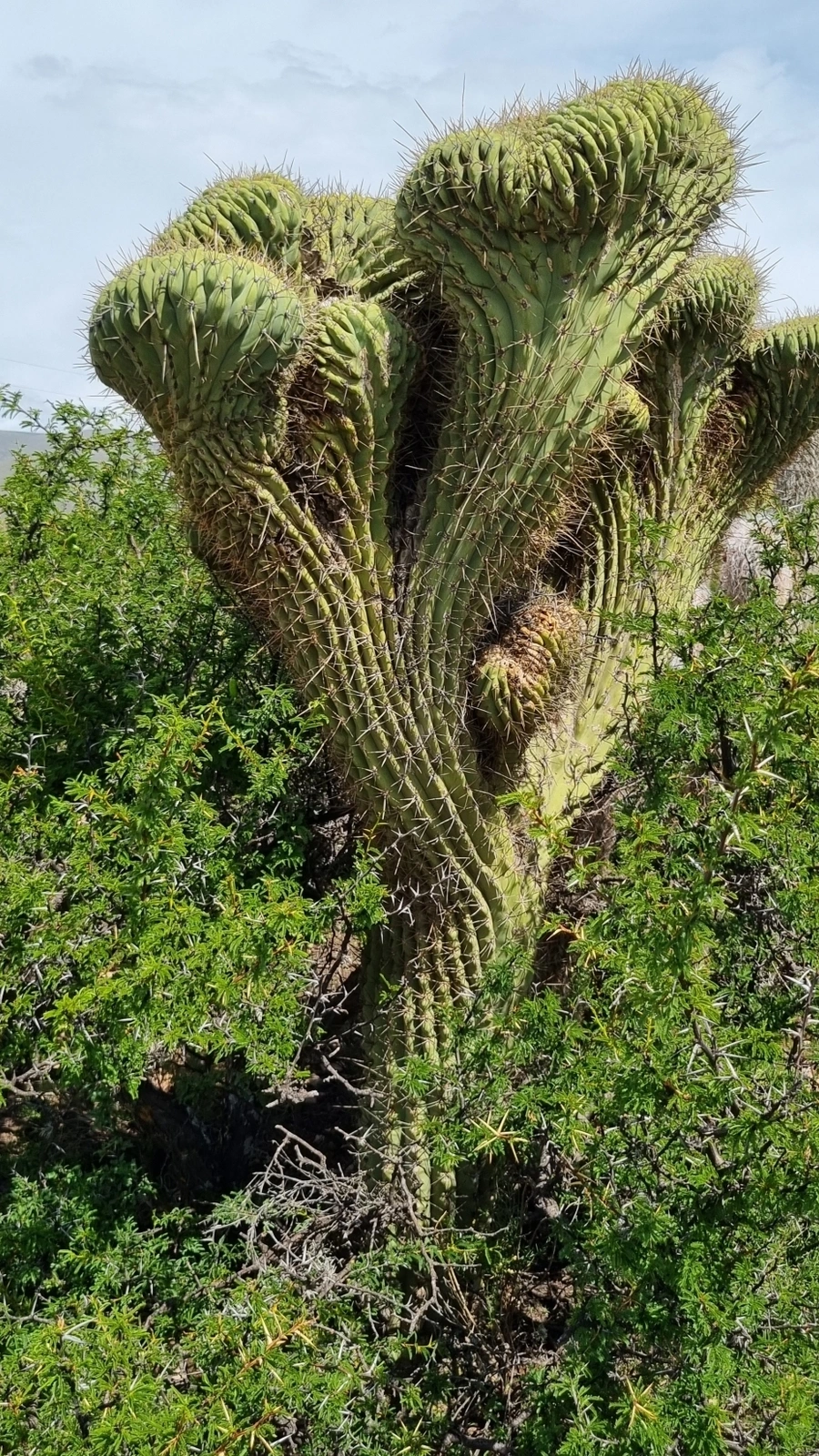 Reference image
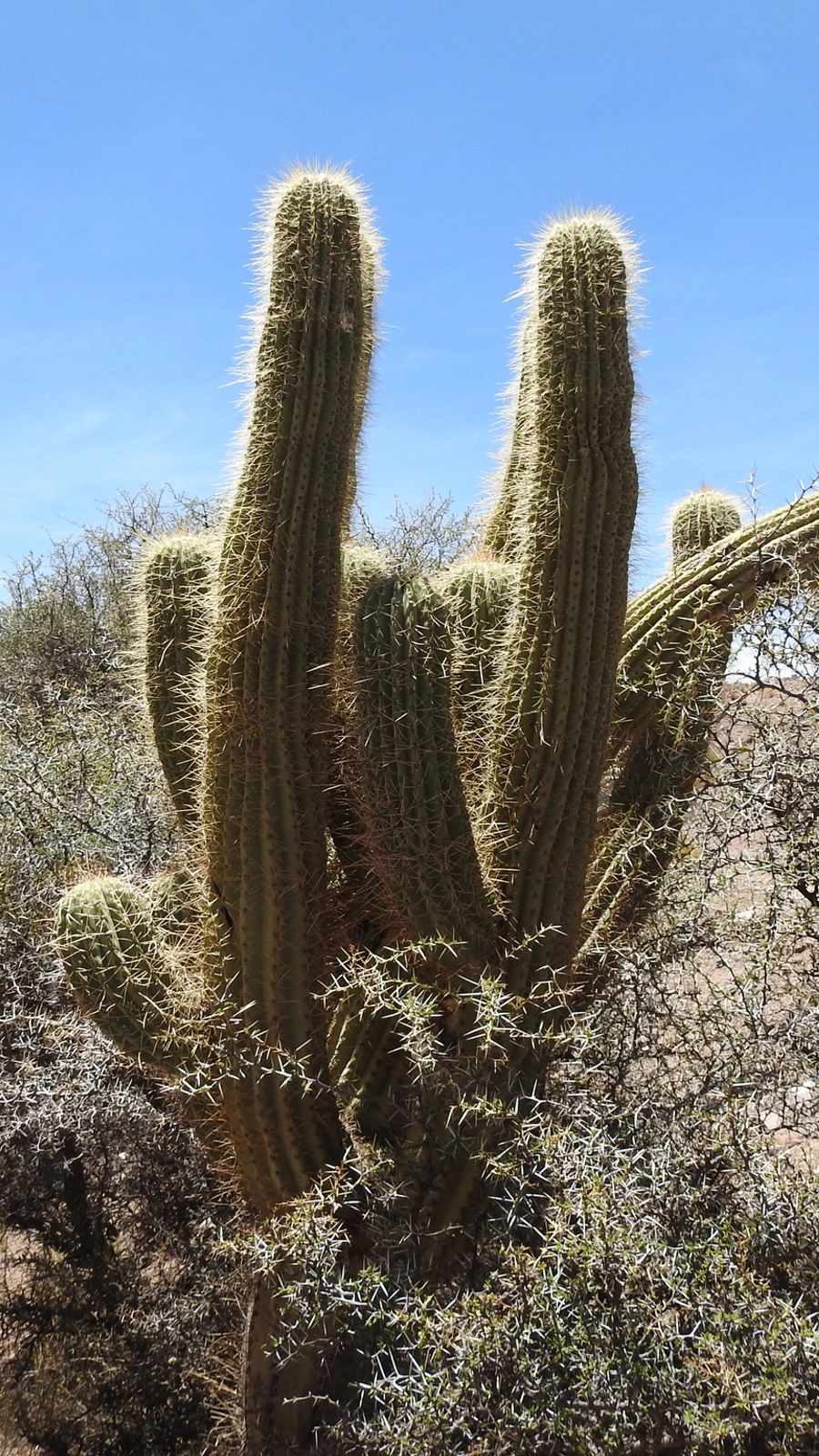 Reference image
Werdermann's Columnar Cactus
Leucostele werdermanniana (formerly known as Trichocereus werdermannianus) is an impressive, columnar, perennial cactus species belonging to the family Cactaceae 1. Growing as a succulent shrub or tree in its natural habitat, it is highly sought after by collectors for its monumental stature and nocturnal blooms.
The species was named in honor of the German botanist Erich Werdermann. Modern phylogenetic studies and morphological revisions have led to its classification under the genus Leucostele, separating it from the broader Echinopsis and Trichocereus complexes 2.
This cactus is native to Bolivia, specifically inhabiting the dry inter-Andean valleys and arid shrublands 1. It thrives on rocky slopes with mineral-rich soils, high solar radiation, and low annual rainfall, typical of South American high-altitude desert ecosystems.
It features robust, cylindrical, greyish-green to dark green stems with prominent vertical ribs. The areoles are densely set along the ribs, bearing stout, yellowish-brown spines. In summer, large, funnel-shaped white flowers emerge from the upper stem. These magnificent flowers open at night and are adapted to pollination by nocturnal insects or bats 2.
In cultivation, it requires full sun exposure and an open, highly porous mineral substrate. Watering must be done sparingly, allowing the soil to dry completely between cycles. During winter, keeping the soil dry is critical to prevent root rot and to help the plant tolerate light frosts.
The most frequent errors include overwatering, which rapidly triggers root rot, and insufficient light, which causes the stem to stretch and weaken (etiolation) 1. Keeping the plant warm and damp during winter also prevents essential flower bud initiation.
Requires full, direct sunlight; partial shade causes weak, thin growth.
Water thoroughly only when the soil is dry. Keep completely dry in winter.
Highly porous mineral mix with pumice, grit, and minimal peat.
Features sharp, sturdy spines. Place out of reach of children and pets.
Easy to moderate; highly resilient if kept dry during winter dormancy.
Native to the dry, high-altitude Andean valleys of Bolivia, where it grows in rocky soils, adapted to intense sunlight, dry air, and cold winter nights.
