
Light
Full Sun
Thrives in full sun; needs at least 6 hours of direct sunlight daily for healthy growth.
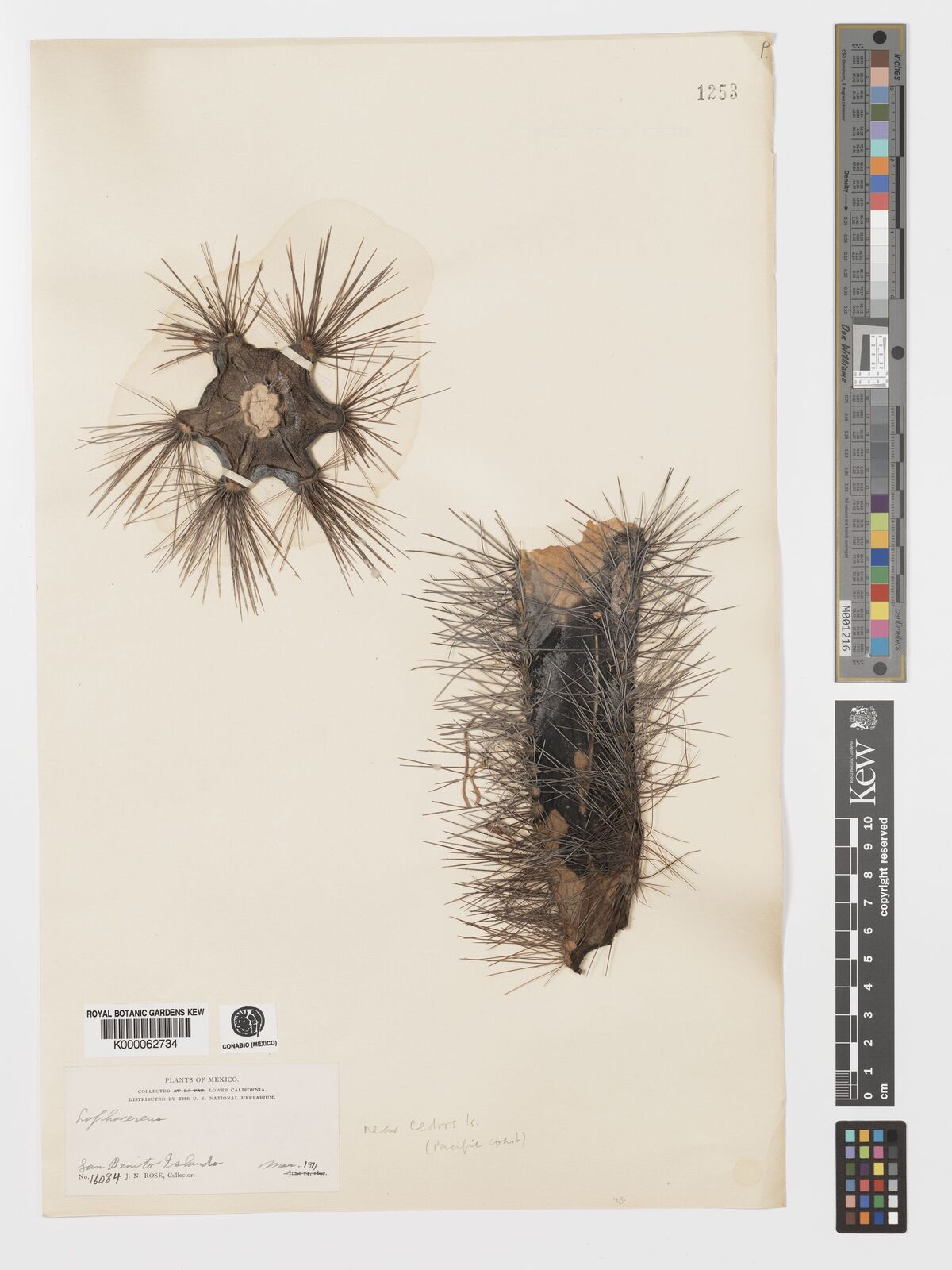 Reference image
Senita Cactus
Lophocereus schottii, commonly known as the 'Senita Cactus', is a slow-growing, column-like, shrubby or treelike succulent belonging to the family Cactaceae 1. Distinguished by its striking vertical habit and unique bristly stems, this species is a cornerstone of North American desert ecosystems and is widely appreciated as an architectural specimen in dry landscaping.
Originally described by George Engelmann, the species has been historically placed in the genus Pachycereus but is currently recognized under Lophocereus 2. The common name 'Senita' derives from the Spanish word for 'old woman', referencing the long, gray, hair-like bristles that crown the mature fertile stems, reminiscent of an elder's beard.
The native range of this species spans the arid regions of Northwestern Mexico (Sonora, Baja California) and the southernmost tip of Arizona in the United States 1. It thrives in alluvial plains, rocky slopes, and sandy desert soils, fully adapted to intense heat and prolonged drought.
Lophocereus schottii grows in multi-stemmed clumps branching from the base. Stems are pale green to bluish-green with 5 to 10 sharp, distinct ribs. A key feature of the species is the 'pseudocephalium' at the upper parts of mature stems, where long, gray, needle-like, flexible bristles develop. From this woolly area, small, nocturnal, pinkish-white flowers emerge during the warm season, followed by edible red fruits 2.
In cultivation, this cactus requires full sun and exceptionally well-drained, porous soil. Watering should follow the 'soak and dry' method, allowing the substrate to dry completely between cycles. It has low tolerance for wet winters, meaning protective sheltering or absolute dry conditions are needed during cold periods.
The most prevalent issue is root rot triggered by overwatering or dense, water-retaining soils. Placing the plant in low-light indoor environments causes etiolation, leading to weak, pale, and narrow stem growth.
Thrives in full sun; needs at least 6 hours of direct sunlight daily for healthy growth.
Apply a strict 'soak and dry' method, keeping the substrate completely dry during winter months.
Requires an extremely gritty cactus mix composed of mineral soils, pumice, and coarse sand.
Non-toxic, but features sharp spines that can cause physical injury; handle with care.
Highly resilient and easy to care for, provided it is not overwatered and receives enough light.
Naturally distributed throughout the Sonoran Desert, spanning southern Arizona down into Baja California and Sonora, Mexico, where it populates rocky plains and arid hillsides.
