
Light
Filtered Sun
Prefers bright, filtered sunlight; avoid intense direct midday sun to prevent scorching.
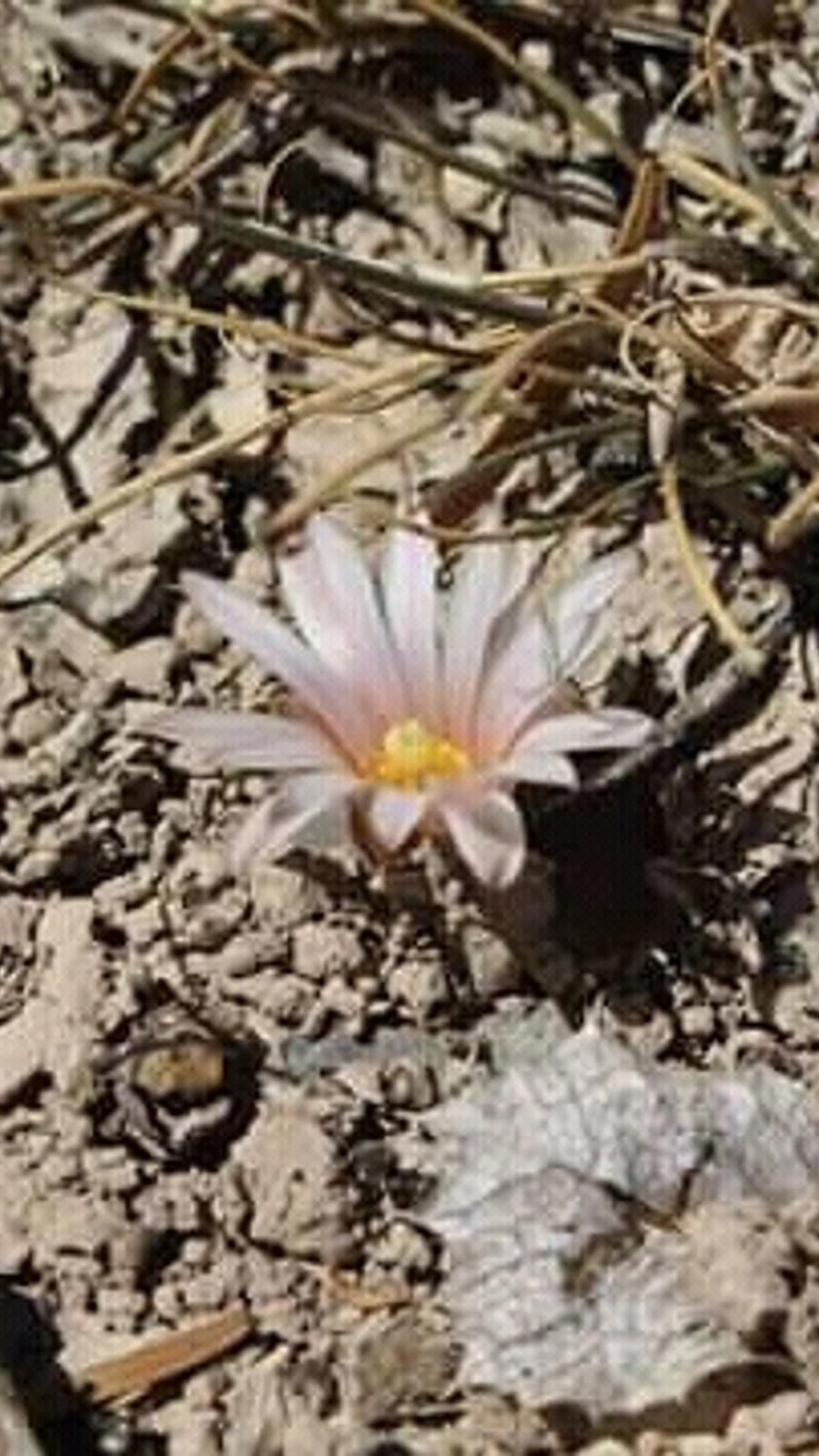 Reference image
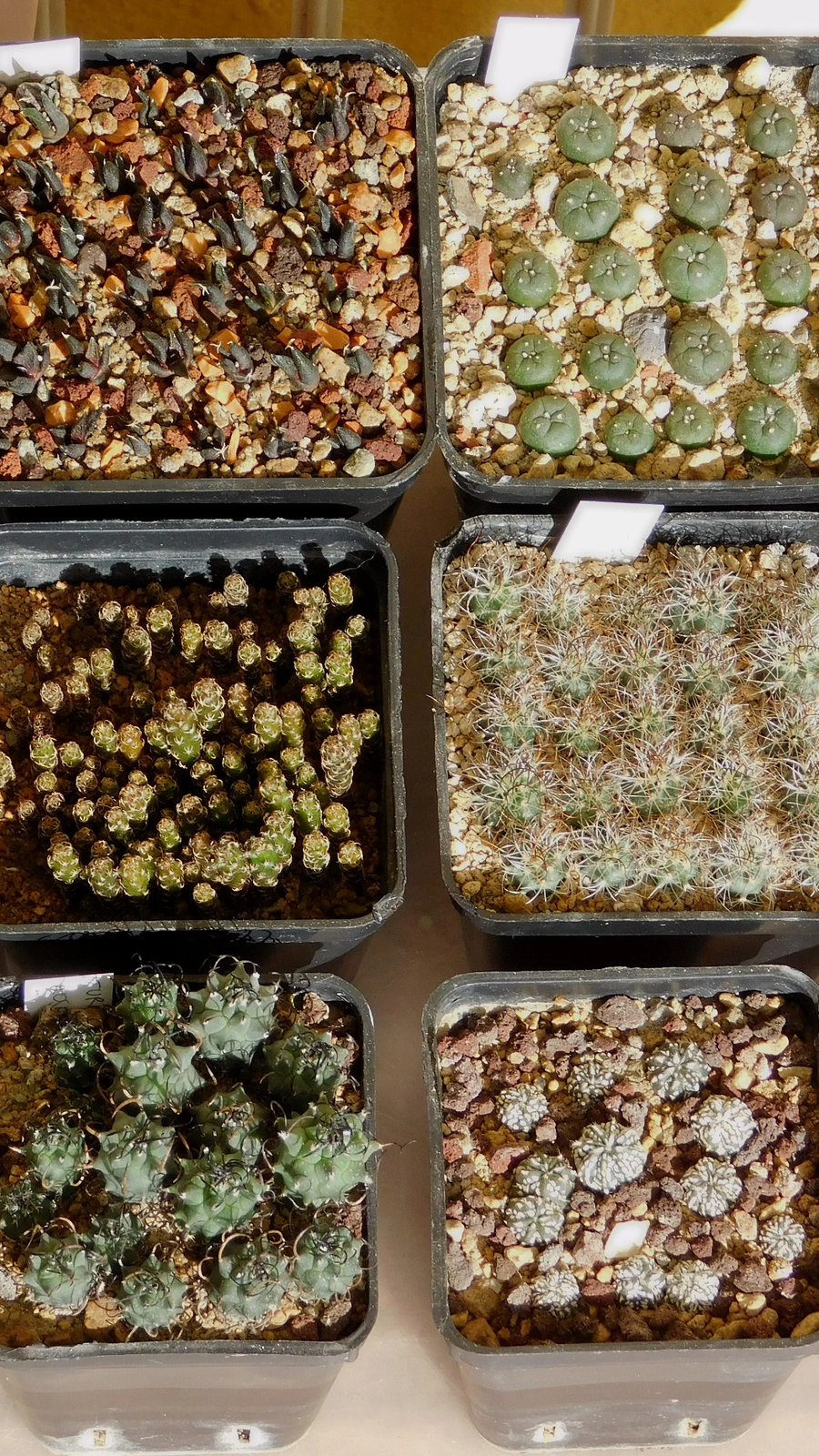 Reference image
Alberto's Peyote
Lophophora alberto-vojtechii is the smallest known species in the family Cactaceae, characterized by its geophytic growth habit. It grows as a solitary, spineless, slow-growing succulent subshrub 1.
Described recently in 2008 by Czech botanists Bohata, Myšák, and Šnicer, it is the newest and most diminutive taxon within the genus Lophophora. Its specific epithet honors both Alberto Vojtěch Frič and Vojtěch Myšák 2.
Endemic to the semi-arid Chihuahuan Desert of northern Mexico, specifically in the states of San Luis Potosí, Coahuila, Zacatecas, and Nuevo León. It colonizes alluvial flats rich in clay and limestone under harsh, dry conditions 1.
With a stem diameter rarely exceeding 2 to 3 cm, it features a flattened, greyish-green body with tufts of white wool on its areoles instead of spines. Its flowers are comparatively large, presenting beautiful pale pink to yellowish-white petals.
An expert-level cactus in cultivation. It demands a highly porous, strictly mineral substrate consisting of pumice, gravel, and limestone grit. Deep clay pots are essential to accommodate its extensive taproot. Keep completely dry in winter 2.
Overwatering and the use of organic potting soil are the primary causes of root rot. Lack of sufficient light leads to abnormal stretching (etiolation) and loss of its flat, natural appearance.
Prefers bright, filtered sunlight; avoid intense direct midday sun to prevent scorching.
Allow substrate to dry completely between waterings. Stop watering entirely in winter.
Use 100% mineral mix (pumice, clay, limestone, grit) with zero organic peat.
Toxic to pets; contains natural psychoactive alkaloids (mescaline and others).
Expert care required due to high vulnerability of the taproot to overwatering.
Native to the high-altitude desert plateaus of northern Mexico, thriving in fine alluvial silts and limestone soils.
