
Light
Bright Indirect Light
Requires very bright, filtered sunlight; avoid intense, scorching afternoon sun in high summer.
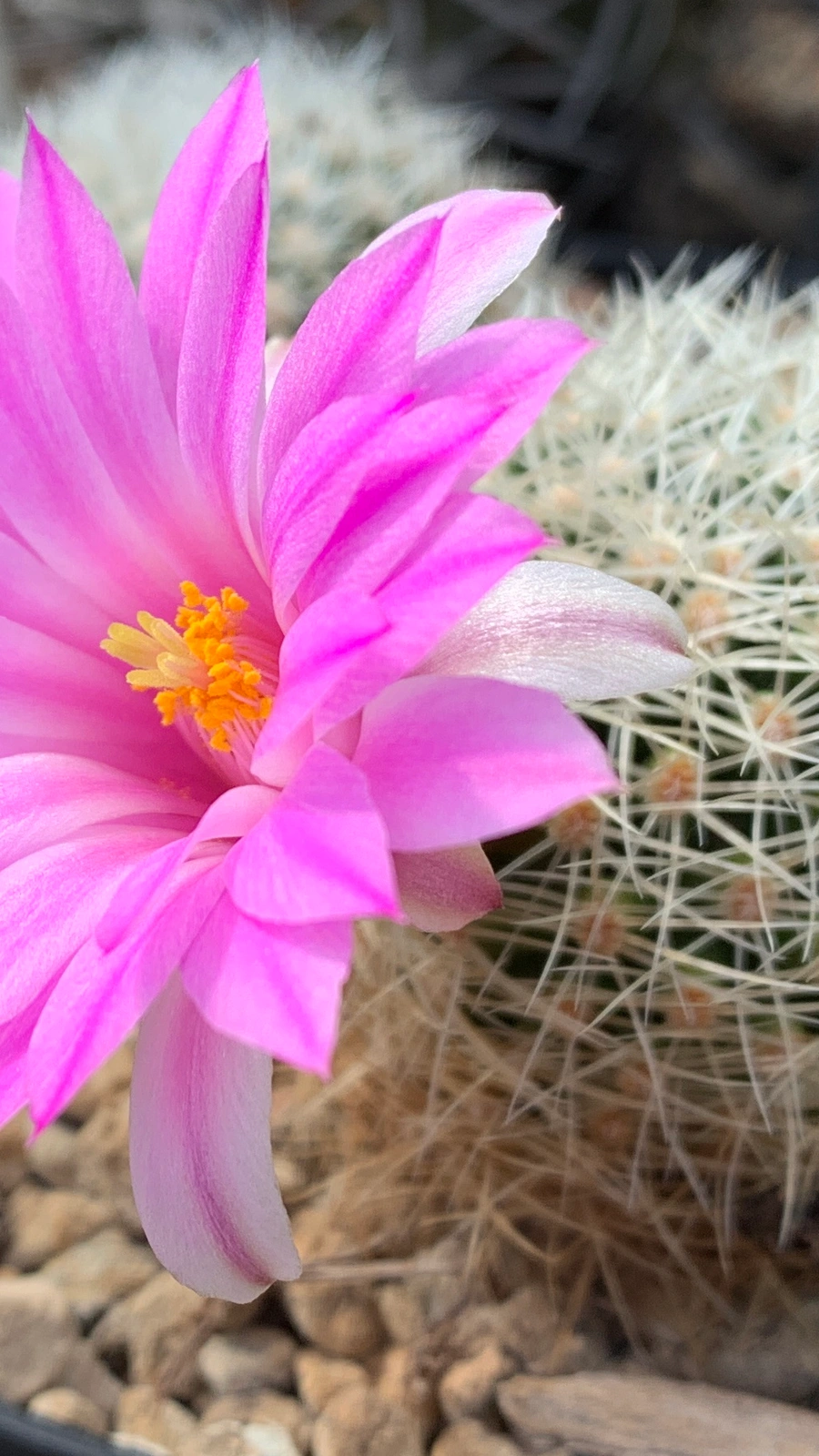 Reference image
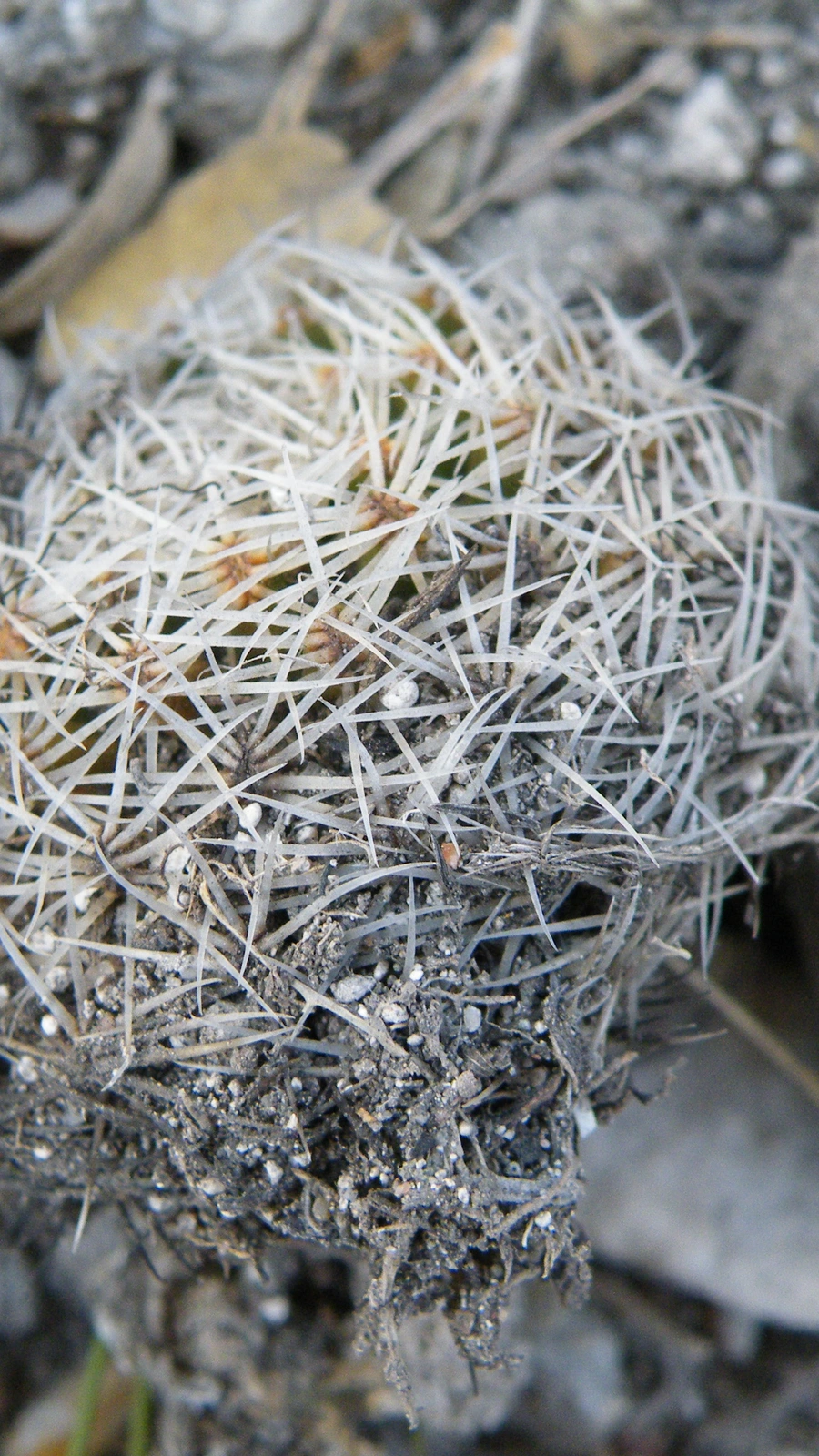 Reference image
Turnip-rooted Nipple Cactus
Mammillaria napina is a slow-growing, highly prized geophytic cactus species belonging to the family Cactaceae. It is unique for its large, turnip-like taproot that remains hidden beneath the soil surface.
The species was formally described in 1912 by Joseph Nelson Rose and Alwin Berger 1. The specific epithet "napina" is derived from the Latin word "napus", meaning turnip, pointing directly to the plant's characteristic swollen taproot structure.
Mammillaria napina is endemic to southern Mexico, specifically occurring in the states of Puebla and Oaxaca 2. It grows at elevations of 1600 to 2100 meters above sea level, primarily restricted to limestone soils in semi-arid valleys and dry shrublands.
The plant body is globose to shortly cylindrical, reaching 5-8 cm in height, and is grey-green. It features tightly arranged tubercles with comb-like radial spines that are whitish or yellow. In late spring, it produces large, striking funnel-shaped flowers, colored bright pink to carmine, clustered around the crown.
Due to its sensitive taproot, Mammillaria napina is considered moderately difficult to grow. It requires a deep pot to accommodate its root system and an extremely porous, mineral-heavy substrate. Water should be applied sparingly during the growing season and withheld completely in winter when kept cool.
The most frequent issue is root rot, caused by organic-rich soils or overwatering. Insufficient sunlight leads to etiolation (stretching of the stem) and failure to produce its beautiful spring blossoms.
Requires very bright, filtered sunlight; avoid intense, scorching afternoon sun in high summer.
Extremely sensitive to overwatering. Keep completely dry in winter and water sparingly in summer.
Must be grown in a highly mineral substrate with exceptional drainage (pumice, perlite, gravel).
Spines are sharp but non-toxic, making it safe to keep around pets and children.
Moderate care level due to vulnerable taproot requiring strict watering control.
Found natively in the high-elevation semi-desert regions of southern Mexico, growing on limestone slopes and rocky terrains surrounded by xerophytic shrubland.
