
Mammillaria polythele

Many-Nipple Cactus

Overview

Mammillaria polythele, commonly known as the Many-Nipple Cactus, is an erect, columnar succulent subshrub belonging to the Cactaceae family. Highly valued by collectors, it is known for its prominent tubercles and early-blooming magenta flowers.

Taxonomy and Naming

The species was formally described in 1836 1. The specific epithet 'polythele' derives from Greek, meaning 'many nipples' or 'many tubercles,' referencing the distinct rounded projections covering its stem.

Distribution and Habitat

This species is endemic to Mexico, with notable populations in Hidalgo, Querétaro, Guanajuato, and San Luis Potosí 2. It thrives at elevations of 1,700 to 2,400 meters above sea level, typically growing in dry shrublands, limestone slopes, and semi-arid oak forest clearings.

Appearance

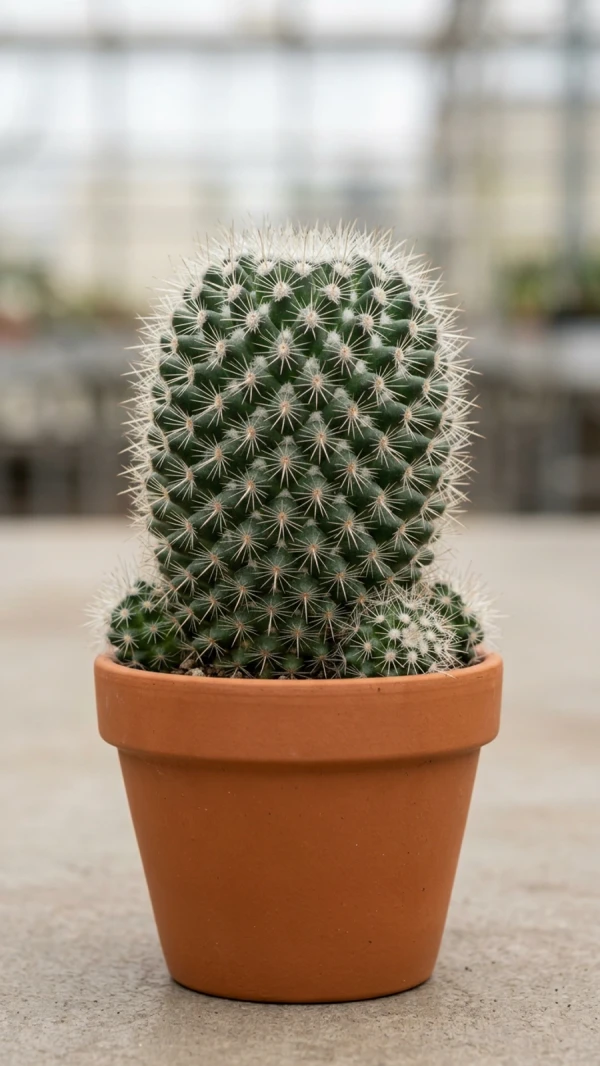
Mammillaria polythele features single, cylindrical stems that can reach up to 50-60 cm in height. The stem is densely covered in conical tubercles. From the areoles at the tip of these tubercles, 2 to 4 stout, slightly curved, greyish-yellow to dark brown spines emerge. During the summer, bright pink to magenta bell-shaped flowers appear in a ring near the crown of the stem.

Culture and Cultivation

It requires bright, indirect sunlight or filtered sun. A highly porous, mineral-based substrate containing pumice, perlite, and coarse sand is essential. Water thoroughly only when the soil has completely dried out, and keep the plant dry and cool during winter dormancy.

Common Cultivation Errors

Overwatering is the primary cause of failure, quickly leading to root and stem rot 2. Inadequate light causes etiolation, where the stem becomes pale, weak, and unnaturally stretched.

References

  1. Plants of the World Online (POWO), Royal Botanic Gardens, Kew.
  2. IUCN Red List of Threatened Species, Mammillaria polythele Assessment.
Light

Bright Indirect Light

Thrives in bright indirect light or filtered sun; avoid harsh midday direct sunlight.
Watering

10-30 Days

Water only when the substrate is completely dry. Keep almost dry in winter.

Soil

Well-draining, pumice and coarse sand cactus mix

Use a well-draining cactus mix high in pumice and coarse grit.

Safety

Pet Friendly

Non-toxic to pets, but features sharp spines that can cause physical injury.

Difficulty

Easy

Very easy to care for, provided it is not overwatered.

Native Habitat

Mexico

Native to the high-elevation arid shrublands and limestone slopes of central Mexico.

Frequently Asked Questions

Is Mammillaria polythele toxic to pets?
No, this cactus is chemically non-toxic to pets. However, its sharp, stiff spines can cause physical injury, so it should be kept out of reach of curious animals and children.
How often should I water it?
Water only when the soil is completely dry, approximately every 10 days in summer. In winter, reduce watering to once a month or keep the soil almost completely dry.
What kind of pot and soil should I use?
Use a terracotta pot with drainage holes at the bottom. The ideal substrate is a highly porous cactus soil mix rich in pumice, coarse sand, and perlite.
When and how does Mammillaria polythele bloom?
It typically blooms from late spring to late summer, producing a crown of small pinkish-magenta flowers near the top of the stem. A cool winter dormancy period is essential to trigger blooming.
Should it receive direct sunlight?
It loves plenty of bright, filtered sunlight. However, harsh, direct afternoon sun during hot summer days can cause sunburn on the stem.
Where should I keep my cactus in winter?
In winter, keep it in a cool (8-12°C), frost-free, dry, and well-lit room or enclosed balcony to facilitate its natural dormancy.
What is its growth rate?
It is a slow to moderate grower. Under optimal care conditions, it will grow a few centimeters in height each year.
Why is the bottom of my cactus turning yellow or soft?
Softness is usually a sign of root rot caused by overwatering. Stop watering immediately; you may need to cut away rotten parts and re-root the healthy top section.
Should I fertilize it?
Feed once a month during spring and summer with a half-strength diluted, high-potassium cactus fertilizer. Do not fertilize in autumn and winter.
How is it propagated?
It can be propagated from seeds or by removing offsets (pups) in spring. Let the cut offset dry for a few days to callus before planting it in sandy soil.