
Light
Bright Indirect Light
Requires bright, filtered sunlight; protect from harsh midday sun.
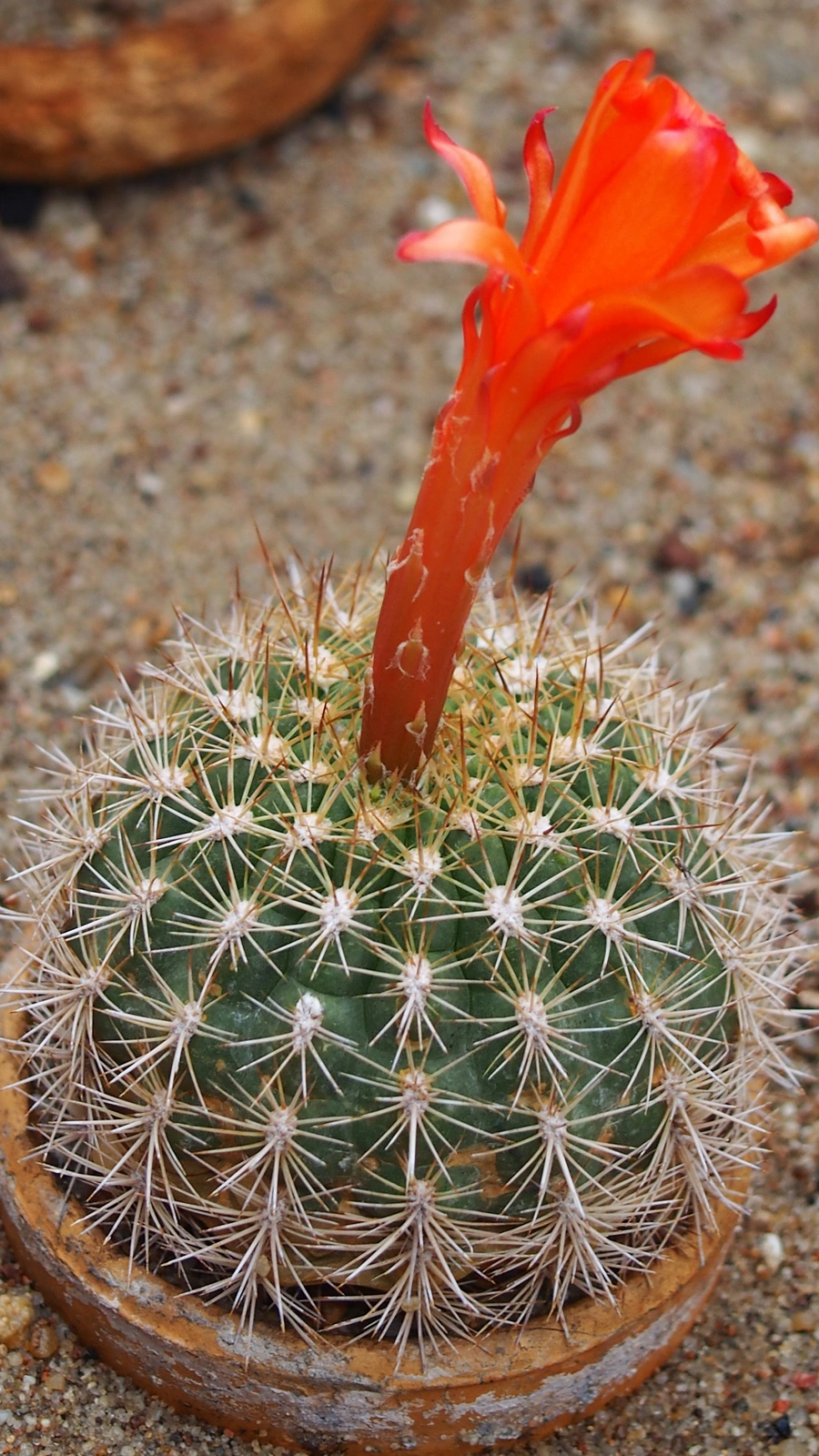 Reference image
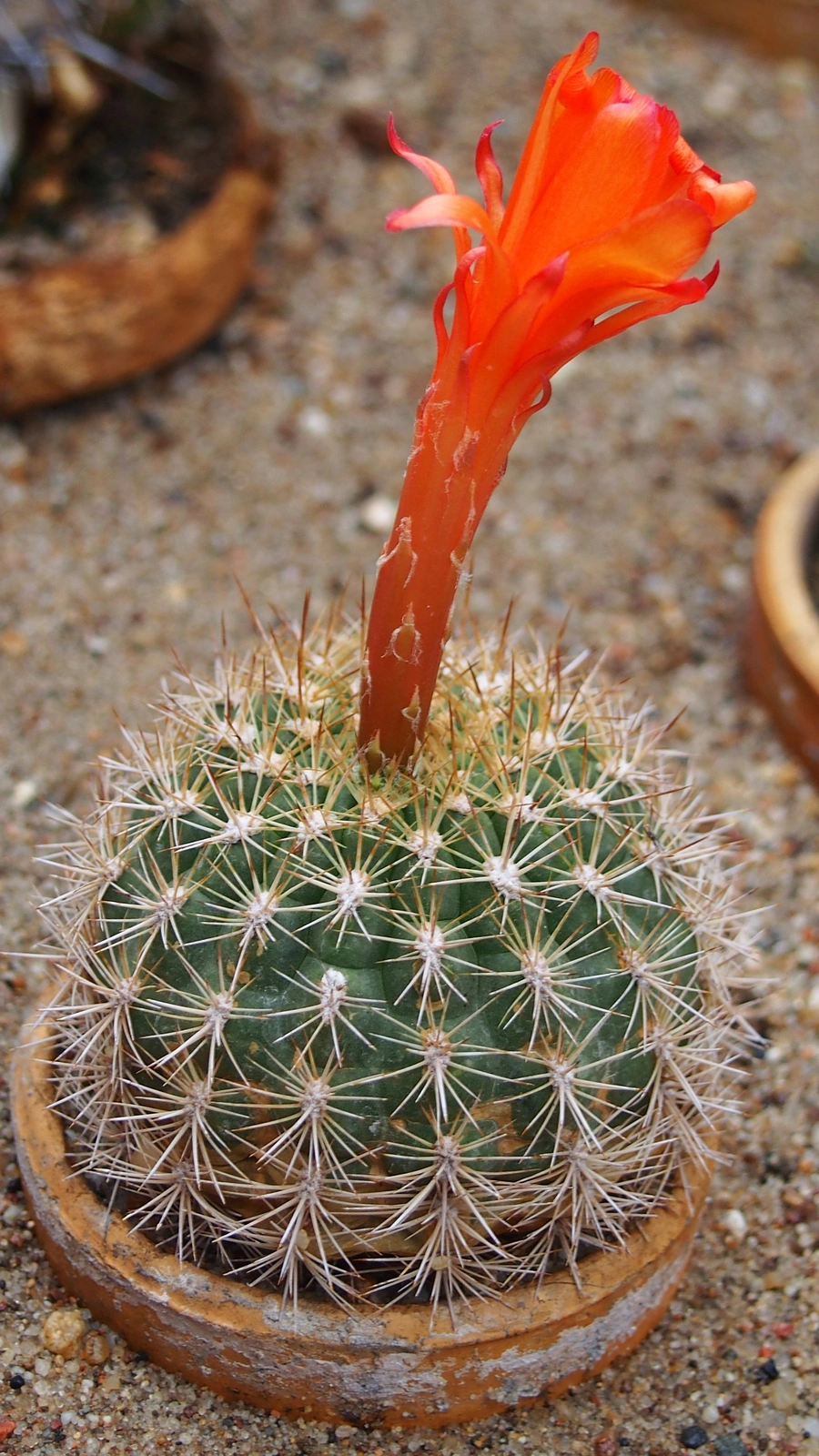 Reference image
Huagala Matucana
Matucana huagalensis is a highly prized and critically endangered globose cactus belonging to the Cactaceae family. It is known for its compact growth and beautiful, tubular pastel flowers.
Classified under the genus Matucana within the tribe Trichocereeae, its specific epithet huagalensis points directly to its discovery site at the Hacienda Huagala in Peru 1.
This species is micro-endemic to the Cajamarca department in northern Peru, specifically along the Marañón River basin. It thrives in montane tropical zones, clinging to steep rocky cliffs and limestone outcrops at elevations of 2,000 to 2,400 meters above sea level 2.
It features a solitary, globular to shortly cylindrical stem of dull green to greyish-green color. The ribs are well-defined, adorned with short, radial, whitish-grey spines. Its stunning diurnal flowers are tubular, varying from pure white to soft pale pinkish-cream.
In cultivation, it requires a highly porous mineral substrate and excellent ventilation. Watering must be adapted to the cycle of complete soil dryness. Coming from montane habitats, it benefits from significant day-to-night temperature fluctuations and requires cool, dry winter rest to stimulate spring blooming.
Overwatering is the primary cause of failure, leading swiftly to root rot. Poor air circulation combined with high humidity must be strictly avoided. Insufficient light results in weak, elongated, and pale stem growth.
Requires bright, filtered sunlight; protect from harsh midday sun.
Allow substrate to dry out entirely between waterings; suspend watering in winter.
Extremely well-draining mineral mix consisting of pumice, grit, and minimal peat.
Non-toxic to pets, but has sharp spines requiring cautious handling.
Requires moderate care due to strict watering requirements and rot sensitivity.
Endemic to the steep limestone cliffs and dry rocky valleys of the Marañón River basin in northern Peru.
