
Light
Bright Indirect Light
Requires abundant bright, indirect sunlight; protect from intense, scorching midday sun.
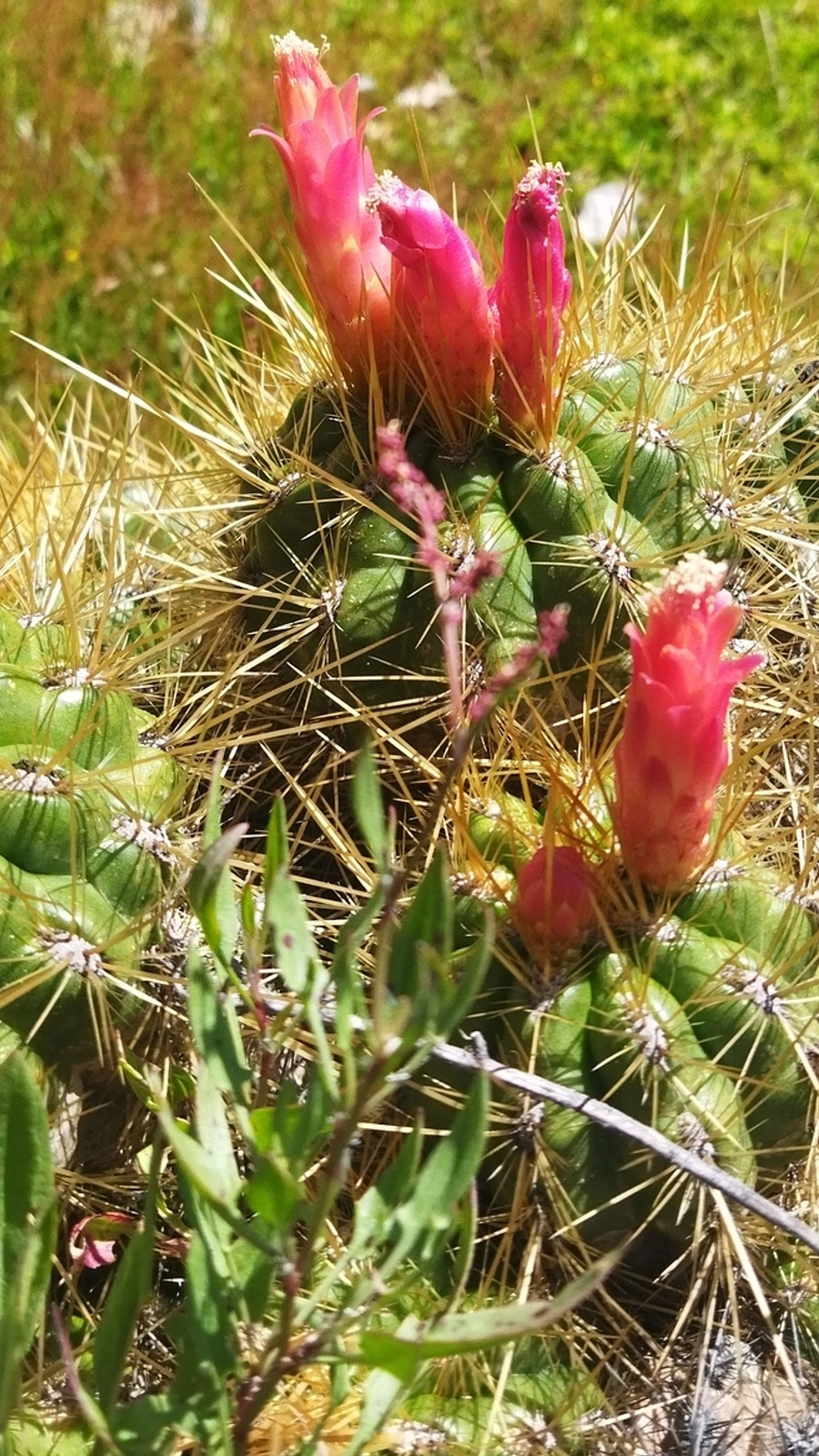 Reference image
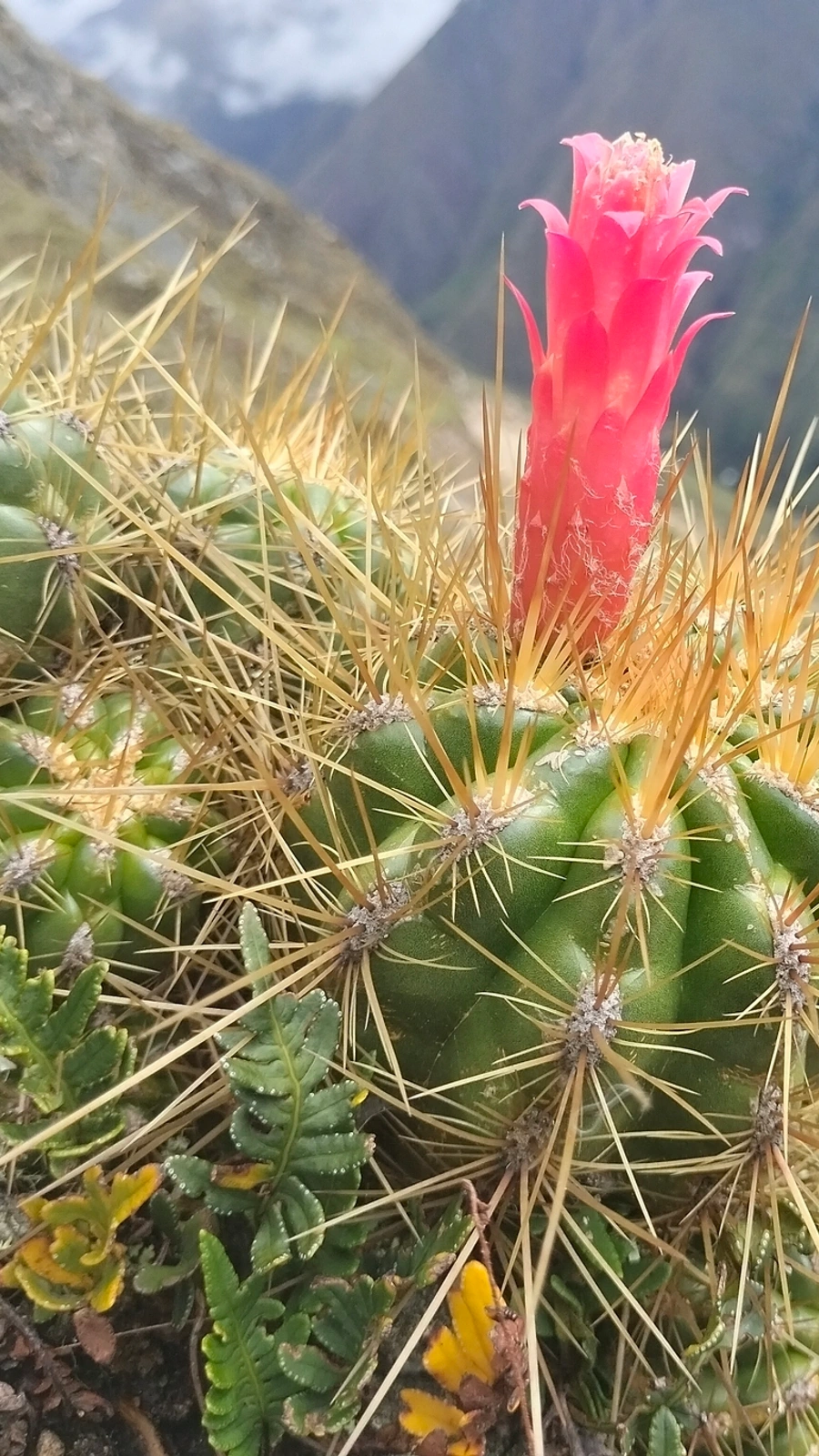 Reference image
Ostolaza's Matucana
Matucana ostolazae is a rare and endemic globose cactus species belonging to the family Cactaceae. Native to the high-altitude arid valleys of Peru, it is highly prized by succulent collectors for its vibrant orange-red flowers and neat, compact spine arrangement 1.
Within the family Cactaceae and subfamily Cactoideae, the genus Matucana is named after the Peruvian town of Matucana. The specific epithet "ostolazae" honors the distinguished Peruvian cactus specialist and researcher Carlos Ostolaza 2. It is sometimes classified under the synonym Submatucana ostolazae.
This species is micro-endemic to the western slopes of the Andes in the Lima region of Peru, growing at elevations of 1,000 to 2,000 meters above sea level 1. It thrives in rock crevices, gravelly soils, and hyper-arid shrublands with very low organic content. Due to its limited distribution, it is listed as Endangered.
The stem is usually solitary, globose to shortly cylindrical, reaching 10-15 cm in height and up to 10 cm in diameter. The epidermis is greyish-green with distinct, low ribs. Areoles bear yellowish-brown, needle-like spines. The striking, diurnal flowers are zygomorphic, tubular, and display brilliant shades of orange and red 2.
In cultivation, Matucana ostolazae requires an extremely porous, mineral-rich potting medium. Water moderately during the spring and summer active growth phases, allowing the soil to dry completely. Keep dry in winter to prevent root rot.
Overwatering during the winter dormancy period is the most common cause of failure, quickly leading to root and stem rot 1. Inadequate light exposure leads to etiolation, causing the stems to stretch abnormally and lose their attractive compact shape.
Requires abundant bright, indirect sunlight; protect from intense, scorching midday sun.
Water thoroughly only when the soil is dry. Keep completely dry in winter.
Use a highly porous mineral mix with high amounts of pumice, gravel, and sand.
Non-toxic to pets, but has sharp spines that can cause physical injury.
Moderate difficulty due to high sensitivity to overwatering and root rot.
Endemic to the steep, rocky slopes of river valleys in the Lima region of Peru, growing in mineral-rich, dry soils at high elevations.
