
Light
Filtered Sun
Thrives in bright, filtered sunlight; direct midday sun should be avoided in extreme heat.
 Reference image
 Reference image
Pujupati Matucana
Matucana pujupatii is a rare and highly sought-after cactus species belonging to the Cactaceae family, native to the inter-Andean valleys of Peru. Noted for its beautiful globose, blue-green stem and vibrant asymmetrical flowers, it is a prized specimen among succulent enthusiasts 1.
The genus Matucana is named after the Peruvian town of Matucana, located near Lima. The specific epithet 'pujupatii' honors local botanical guides or collectors associated with its discovery. It belongs to a genus known for its distinct, bird-pollinated floral structures 2.
This species is endemic to Peru, particularly restricted to the Marañón River basin within the Amazonas and Cajamarca regions. It thrives at elevations of 1,000 to 1,500 meters above sea level, clinging to steep, rocky cliffs and dry shrubland areas with minimal organic soil 1.
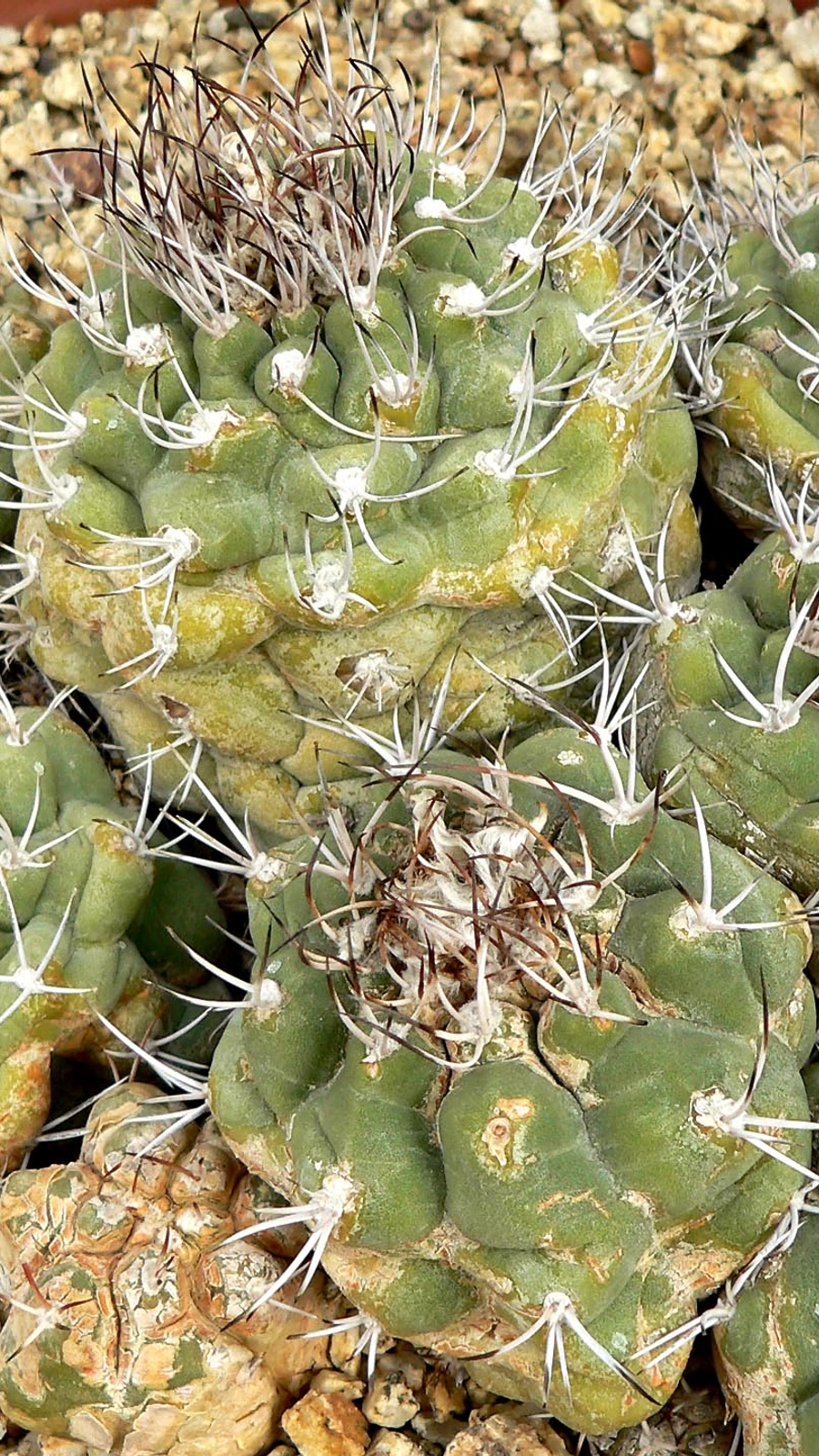
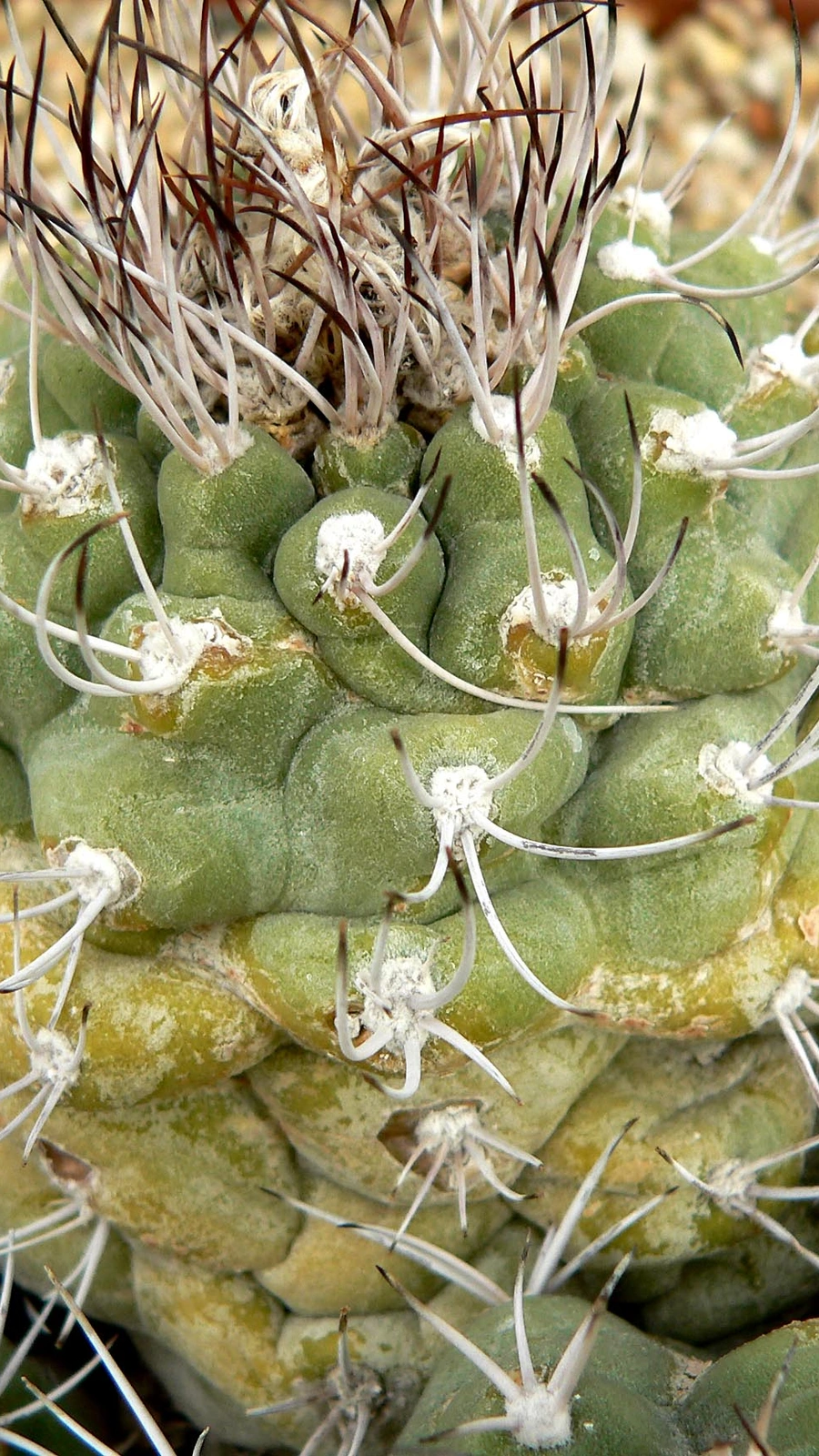
The stem is solitary or slowly offsetting, glaucous grey-green to bluish-green, reaching up to 15 cm in height. It features 10 to 12 low, tuberculate ribs. The spines are strong, curved, initially dark brown to blackish, and fade to grey with age. Its striking diurnal flowers are funnelform, zygomorphic, and display a brilliant crimson or orange-red hue.
In cultivation, Matucana pujupatii requires an extremely gritty, free-draining mineral mix and excellent air circulation. Water thoroughly during the active summer growing season, allowing the substrate to dry completely between applications. During winter, it must be kept dry and cool (around 8-10 °C) to stimulate blooming 2.
The most prevalent issue is overwatering combined with poorly draining soil, which inevitably leads to root rot. Insufficient light causes the plant to stretch (etiolate), losing its compact, globular form and reducing its ability to flower.
Thrives in bright, filtered sunlight; direct midday sun should be avoided in extreme heat.
Water only when the soil is 100% dry; keep absolutely dry during winter dormancy.
Use a grit-heavy mix composed mostly of pumice, lava rock, and coarse sand.
Non-toxic to pets, but the sharp, curved spines can cause mechanical injury if handled carelessly.
Moderate. Demands strict watering discipline to prevent root rot, making it best for intermediate growers.
Endemic to the steep rocky slopes and dry river valleys of the Amazonas and Cajamarca regions in Peru, thriving in highly mineral, well-draining soils.
