
Light
Bright Indirect Light
Requires plenty of bright, indirect sunlight. Protect from intense, direct midday summer sun.
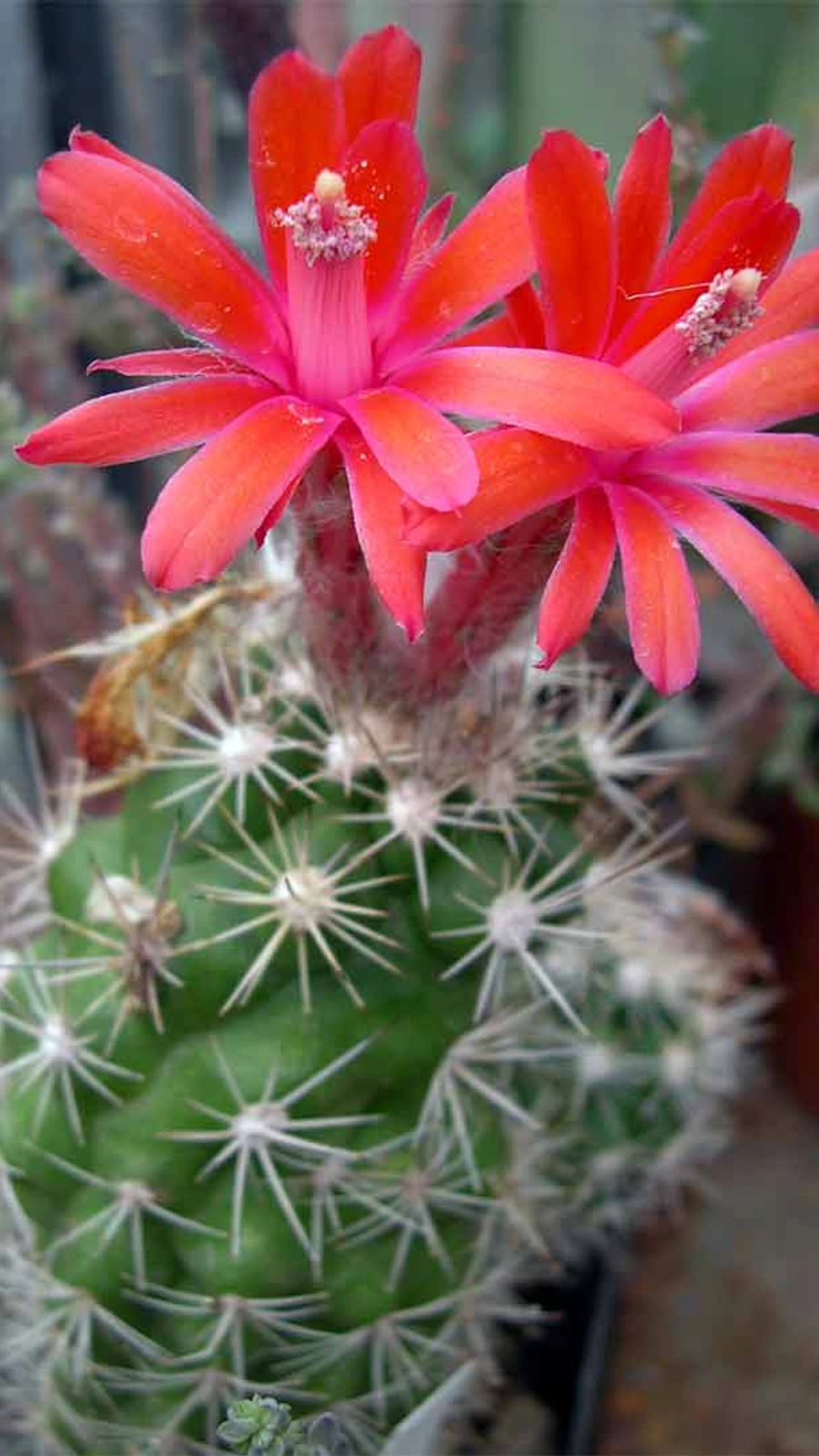
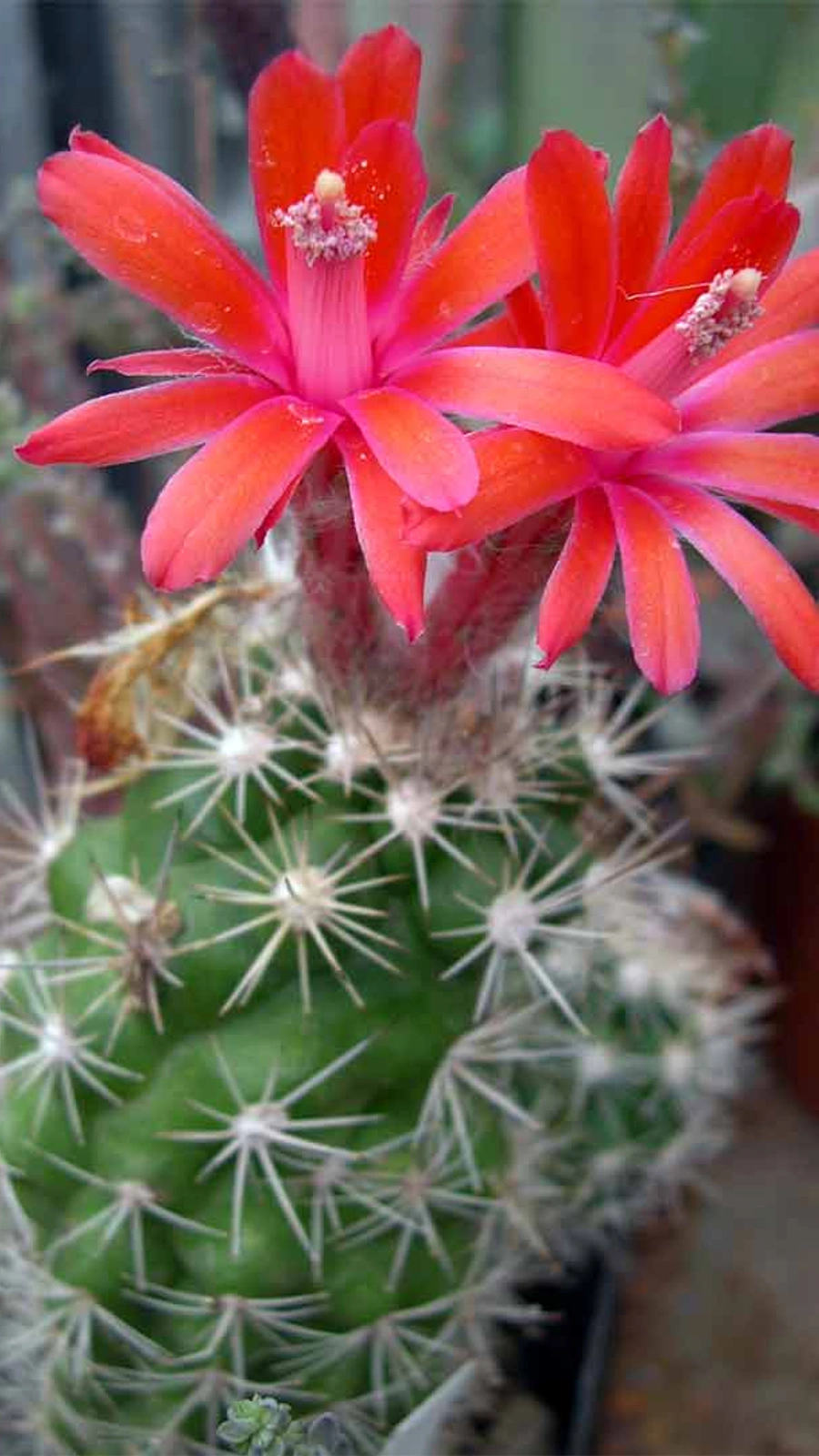
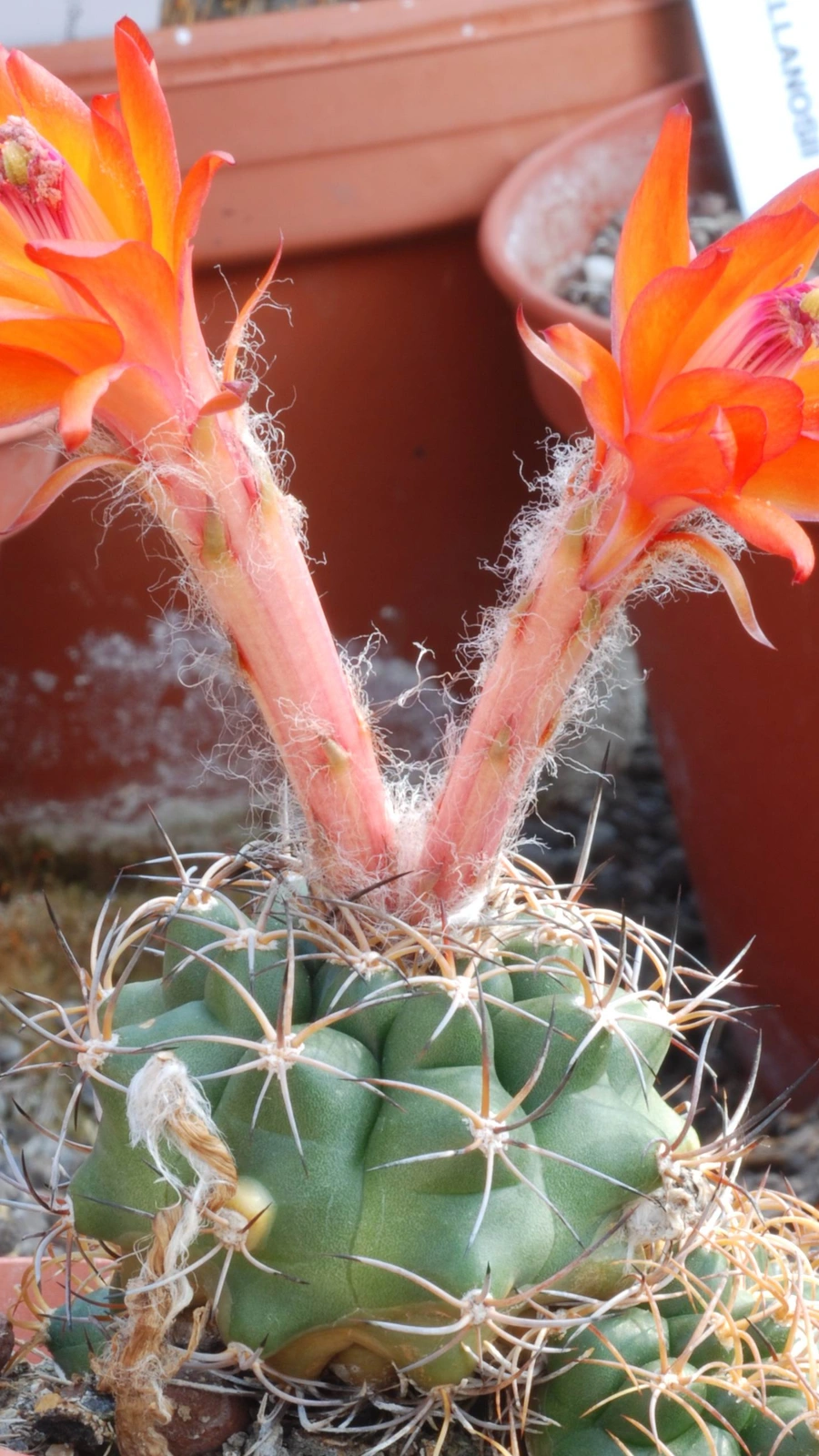 Reference image
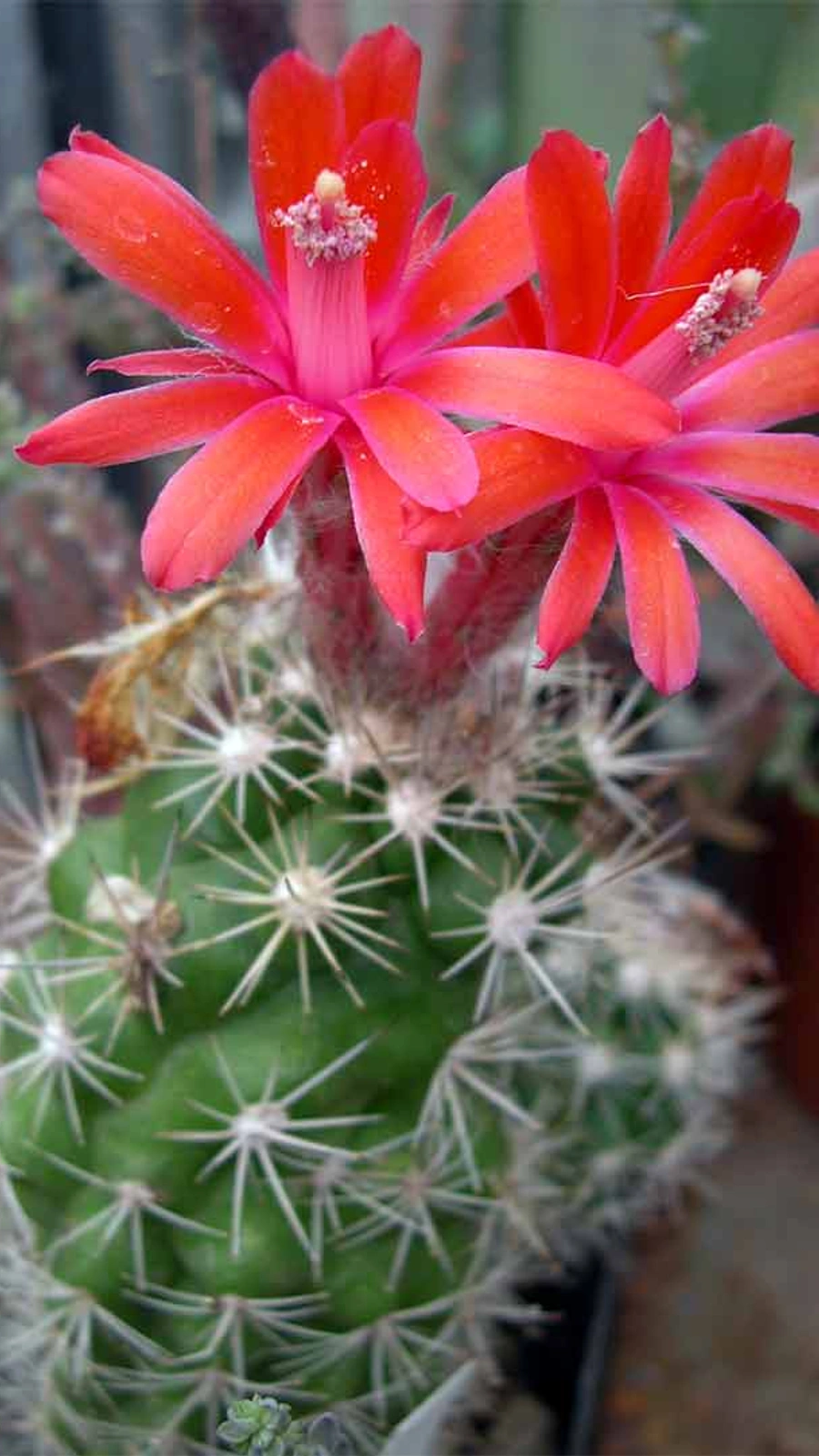 Reference image
Tuberculate Matucana
Matucana tuberculata is a small, highly decorative, and tuberous cactus species belonging to the family Cactaceae. It is highly sought after by succulent collectors for its vibrant orange-red flowers and dense spination 1.
The species is categorized under the genus Matucana, named after the Peruvian town of Matucana. The specific epithet tuberculata refers to the prominent tubercles (bumps) covering its stem. It was officially described in the late 20th century 1.
This species is endemic to Peru, particularly found in the steep rocky slopes of the Marañón River valley in northern Peru. It typically thrives at elevations between 1,000 and 2,500 meters above sea level. Due to its restricted natural habitat, it is considered a vulnerable species 2.
The stem is initially globose, later becoming cylindrical and clustering from the base. The epidermis ranges from bright green to grey-green, organized into prominent spiral tubercles rather than continuous ribs. Areoles bear stiff, yellowish-brown spines. The tubular, zygomorphic flowers are intensely orange-red and emerge near the apex 12.
It prefers bright, indirect sunlight or filtered sun. Watering should be done thoroughly during the active growing season (spring and summer) only after the substrate has completely dried. In winter, watering must be halted almost entirely. High-mineral, fast-draining soils are essential 3.
The most prevalent issue is overwatering during the dormant winter phase, which quickly triggers root rot. Insufficient light leads to etiolation, causing the stems to stretch abnormally and lose their compact form 3.
Requires plenty of bright, indirect sunlight. Protect from intense, direct midday summer sun.
Water thoroughly when soil dry out completely in summer. Keep dry in winter.
Mineral-rich, highly porous soil with a high proportion of pumice, perlite, and coarse sand.
Non-toxic, but the sharp spines can cause physical injury. Handle with care and keep away from pets.
Moderate care level due to sensitive roots that are highly prone to moisture retention issues.
Occurs naturally in the steep, rocky valleys of the Marañón River drainage in Northern Peru at high mountain elevations.
