
Light
Bright Indirect Light
Requires abundant bright, indirect or filtered light; shield from intense, scorching direct midday sun.
 Reference image
Broadway's Melon Cactus
Melocactus broadwayi is a distinctive globose cactus species belonging to the Cactaceae family, renowned for the colorful cephalium that develops at the crown of mature specimens. Native to the Caribbean, this slow-growing succulent subshrub is highly valued by plant enthusiasts for its unique anatomical transition upon reaching adulthood 1.
This species belongs to the genus Melocactus, characterized by apical cephalium formation. The specific epithet "broadwayi" honors Walter Elias Broadway, a prominent botanist who collected extensively in the West Indies 2. It is colloquially grouped among the "Turk's cap" cacti due to the cap-like appearance of its cephalium.
Melocactus broadwayi is native to the Caribbean, specifically found in the Lesser Antilles, Grenada, Saint Vincent and the Grenadines, and Trinidad and Tobago. It thrives in seasonally dry tropical biomes, typically colonizing coastal rocky slopes, cliffs, and dry shrublands where soil is sparse but drainage is immediate 1.
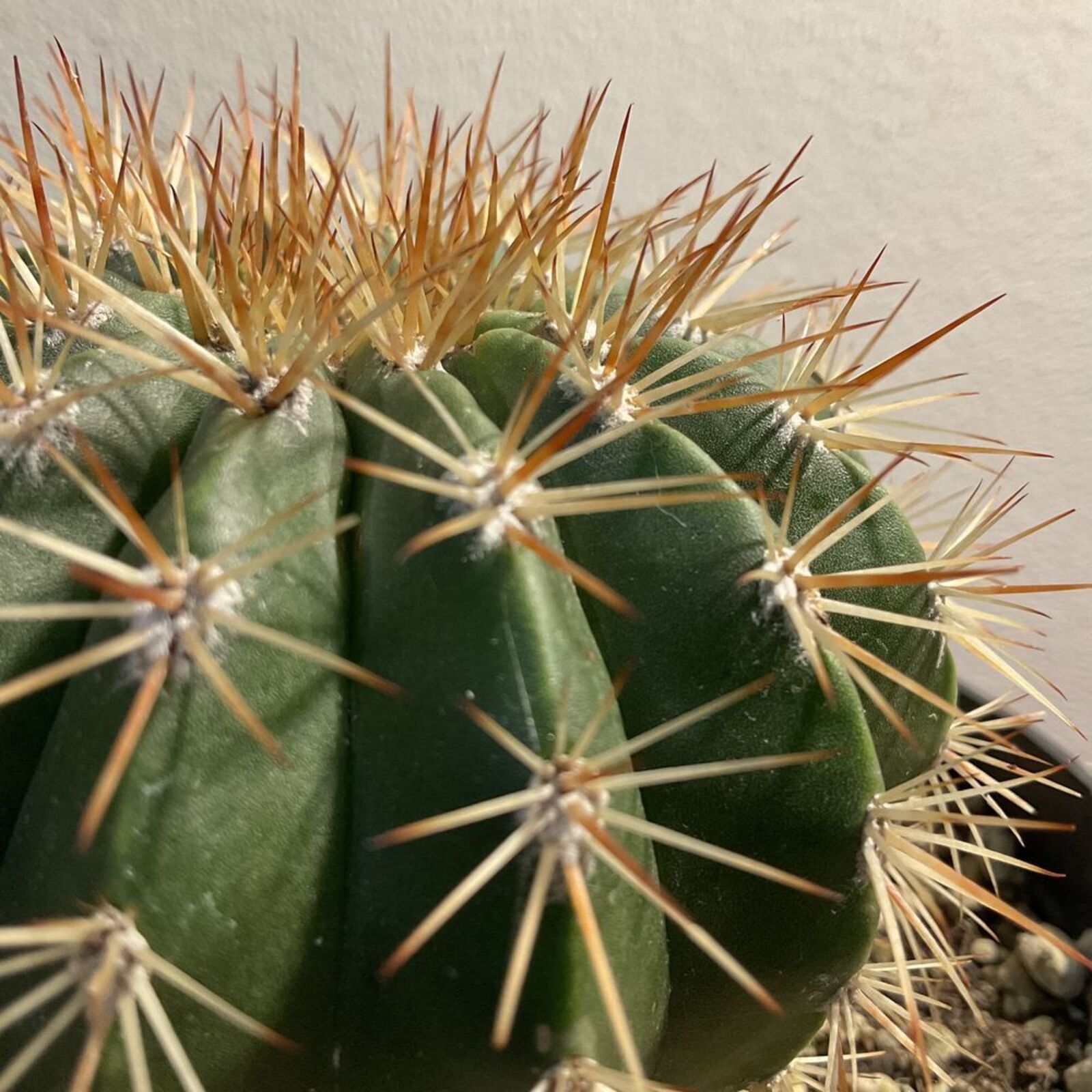
The stem is solitary, globose to short-cylindrical, bright green, and ribbed with sharp, rigid spines arising from woolly areoles. Upon maturity, the vegetative growth ceases, and a dense, cylindrical apical cephalium composed of reddish-pink bristles and white wool develops. Small, self-fertile pink flowers emerge from this structure, followed by bright magenta fruits.
Unlike typical desert cacti, Melocactus broadwayi requires warmer winter temperatures and should not be kept completely dry during its dormancy. It thrives in bright, indirect light or filtered sunlight. A highly porous mineral substrate is vital, and watering should be moderate but consistent during the active growing season.
Exposing the plant to temperatures below 12°C or keeping it in heavy, water-retentive soil quickly triggers root rot. Total winter drought can cause the root system to collapse permanently.
Requires abundant bright, indirect or filtered light; shield from intense, scorching direct midday sun.
Water thoroughly once the substrate dries in summer; keep lightly damp and avoid bone-dry soil in winter.
Use a porous, mineral-rich substrate containing pumice, lava rock, and grit for fast drainage.
Equipped with sharp, rigid spines. Keep out of reach of children and handle with thick gloves. Non-toxic.
Moderate difficulty due to tropical winter temperature requirements and sensitive watering needs.
Found on coastal rocky outcrops, cliffs, and arid scrublands across the Caribbean islands, adapted to sea breezes and seasonal tropical dry periods.
