
Light
Bright Indirect Light
Thrives in bright, indirect light or filtered morning sun; protect from scorching midday rays.
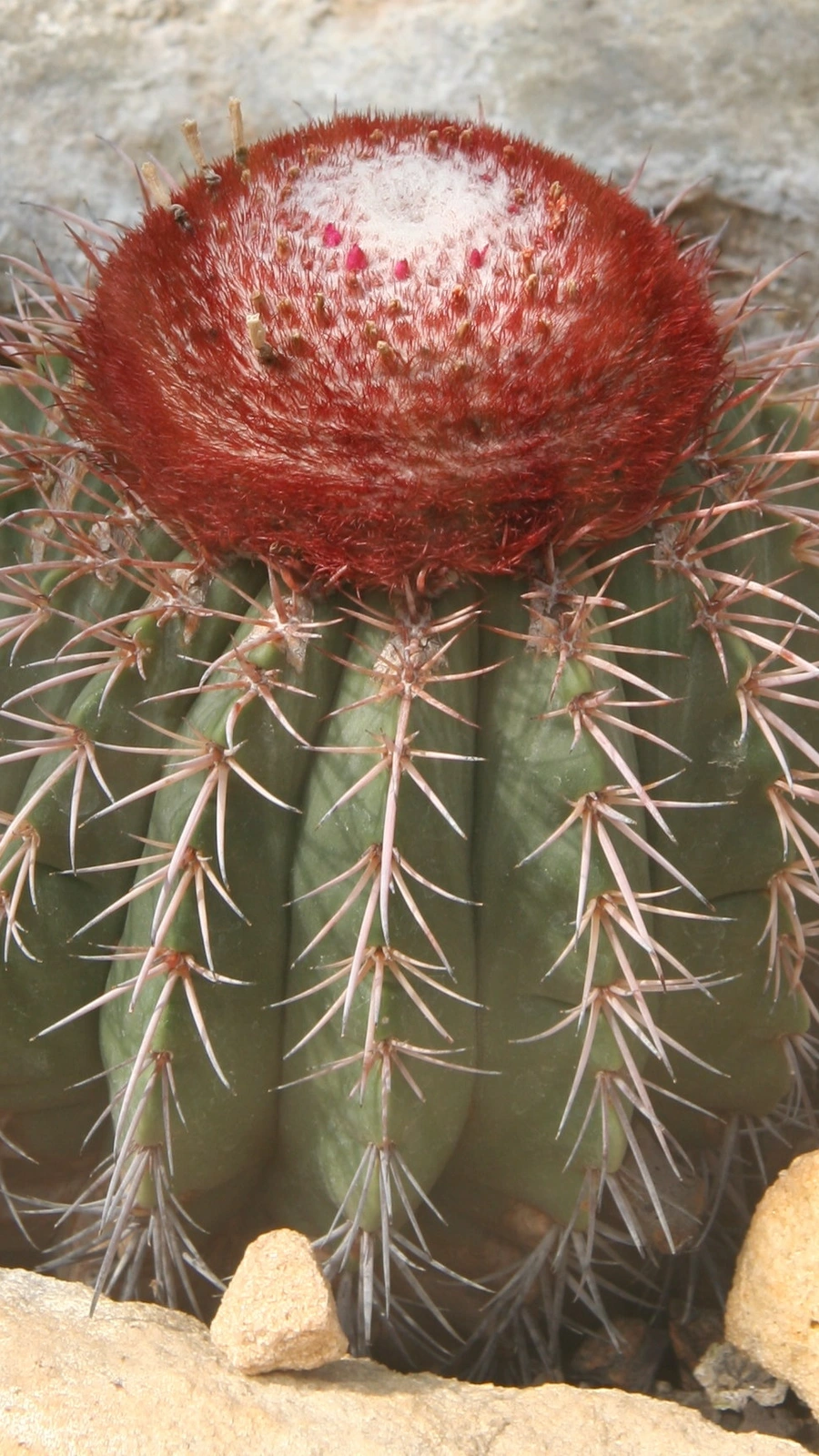 Reference image
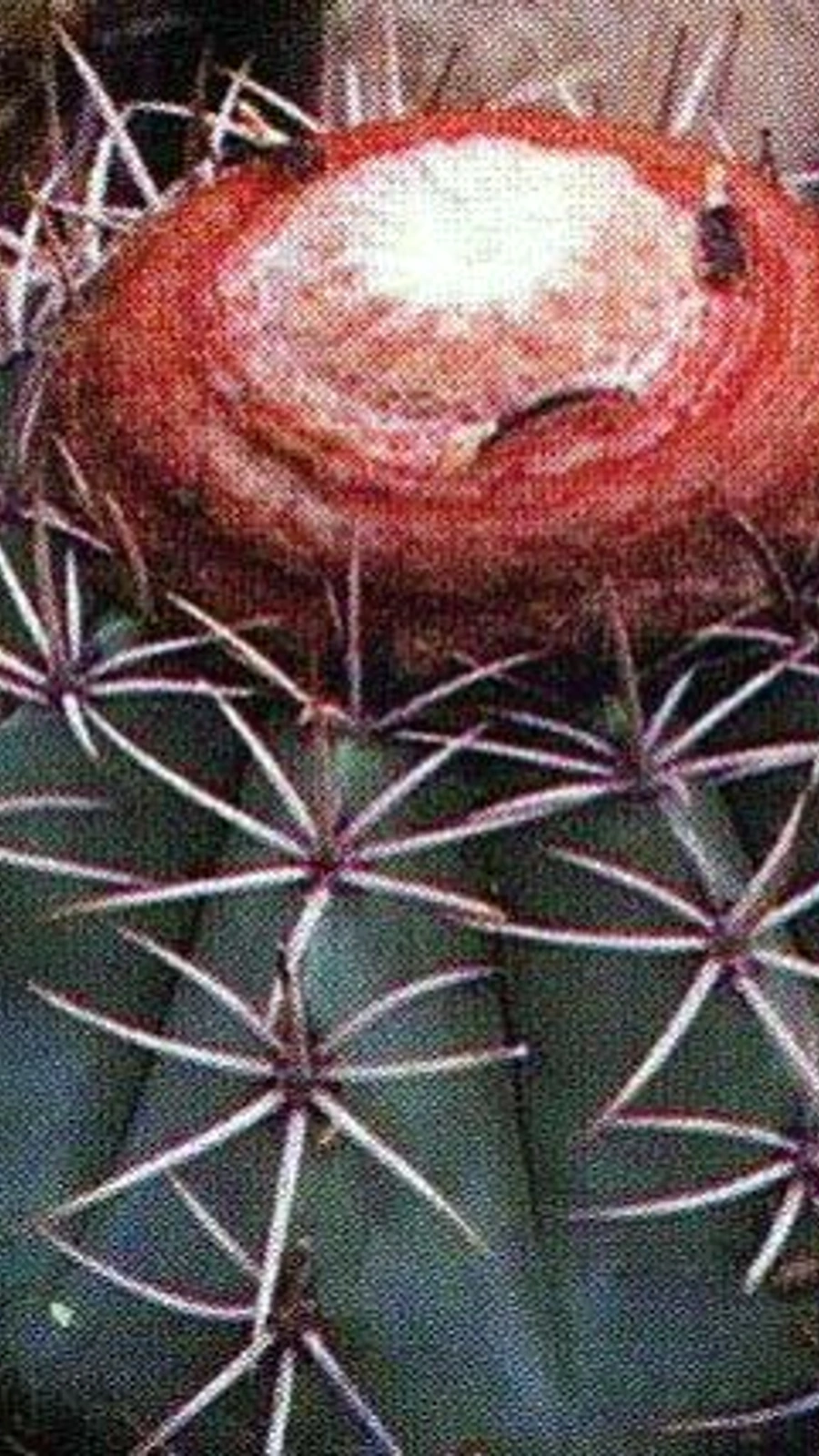 Reference image
Lanssens' Melon Cactus
Melocactus lanssensianus is a highly sought-after, endangered cactus species within the Cactaceae family, known for its distinctive woolly and bristly cap-like structure called a cephalium. Growing as a succulent subshrub, this slow-growing species is a prize for global collectors due to its dramatic transition into maturity 1.
This species was formally described by the renowned Dutch cactus specialist Albert F. H. Buining. The specific epithet honors the collector or botanist who introduced the plant. The genus name Melocactus derives from its melon-like ribbed appearance, coupled with the unique terminal cephalium.
Endemic to the seasonally dry tropical areas of northeastern Brazil—particularly in states like Pernambuco and Bahia—Melocactus lanssensianus thrives on rocky outcrops, crystalline rock fields, and shallow, gravelly soils within the dry Caatinga shrublands 2.
The stem is globose or slightly depressed-globose, with a glaucous greyish-green epidermis. It typically features 10 to 12 pronounced vertical ribs. Once the plant reaches reproductive maturity, it ceases stem growth and develops a terminal cephalium covered in reddish-brown bristles and creamy wool, from which tiny pink flowers and pinkish fruits emerge 1.
In cultivation, it requires a very porous, mineral-rich substrate with exceptional drainage. Unlike desert cacti, it prefers a warm, moderately humid environment but cannot tolerate waterlogged soils. Minimum winter temperatures must be kept strictly above 10°C to prevent root loss.
The most prevalent issue is overwatering during the cooler winter months or using organic-heavy soils. This quickly leads to basal rot. Conversely, letting the root system stay bone-dry for months in summer can cause permanent root desiccation and loss 2.
Thrives in bright, indirect light or filtered morning sun; protect from scorching midday rays.
Water thoroughly only after the substrate dries out completely. Keep dry in winter.
Requires a highly mineralized substrate with pumice, grit, and very little peat/organic matter.
Equipped with rigid, sharp spines. Non-toxic to pets, but physical caution is advised during handling.
Moderate. Managing its moisture needs and sensitivity to cold requires attentive care.
Native to the semi-arid Caatinga region of northeastern Brazil, this species is typically found growing on exposed granite outcrops and rocky slopes under dry tropical climate regimes.
