
Light
Full Sun
Requires full, direct sun; insufficient light causes thin, weak growth.
 Reference image
 Reference image
Smoky Prickly Pear
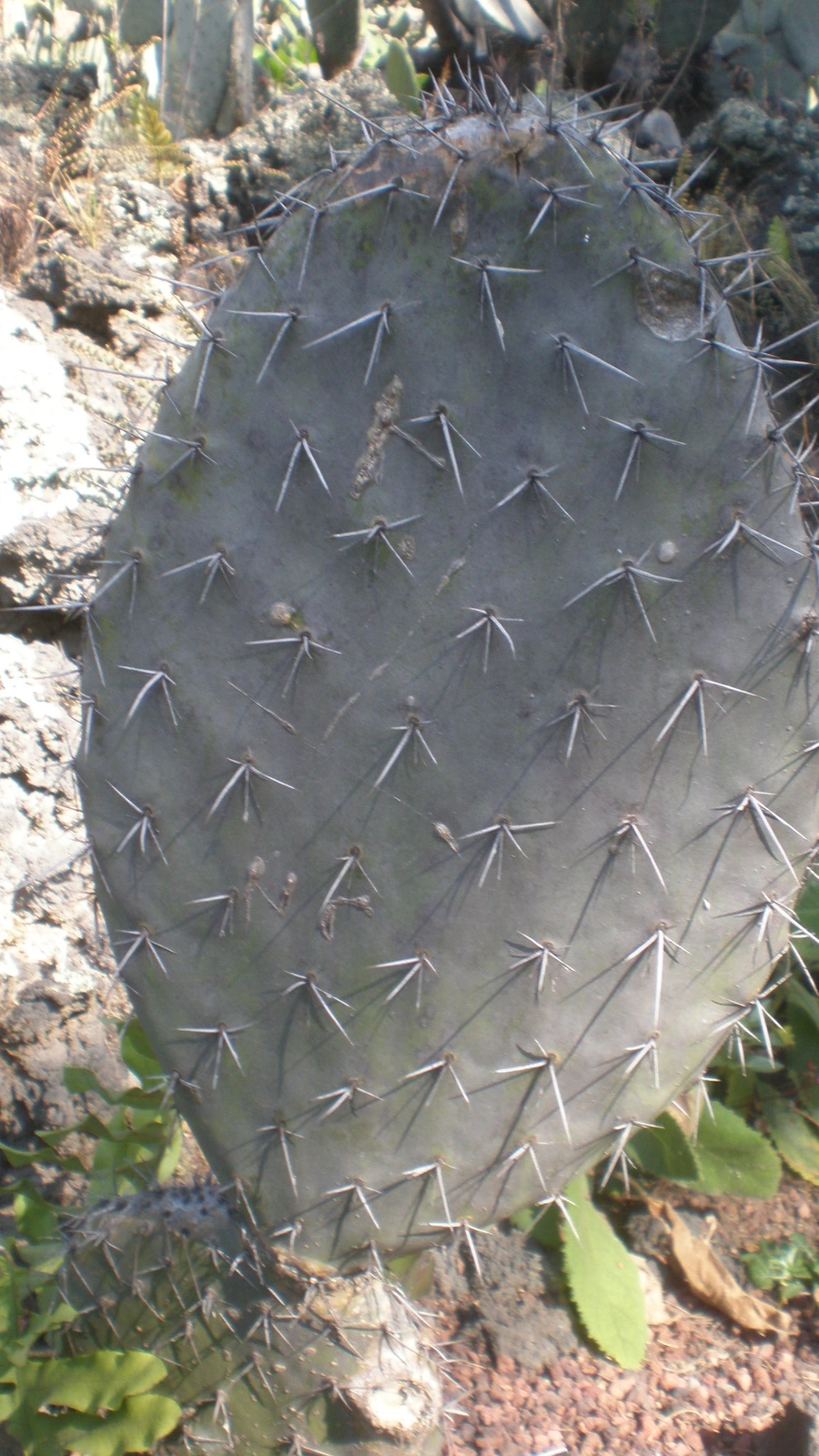
Opuntia fuliginosa is a robust, arborescent, or shrubby cactus species belonging to the Cactaceae family. Known commonly for its dark, somewhat smoky-looking spine clusters, this plant is highly adapted to arid and semi-arid conditions.
Originally described by the botanist Alwin Berger, the species is placed under the diverse genus Opuntia 1. The specific epithet fuliginosa translates from Latin to "sooty" or "smutty," referencing the dark, dusty coloration of the spine bases and the older spine clusters 2.
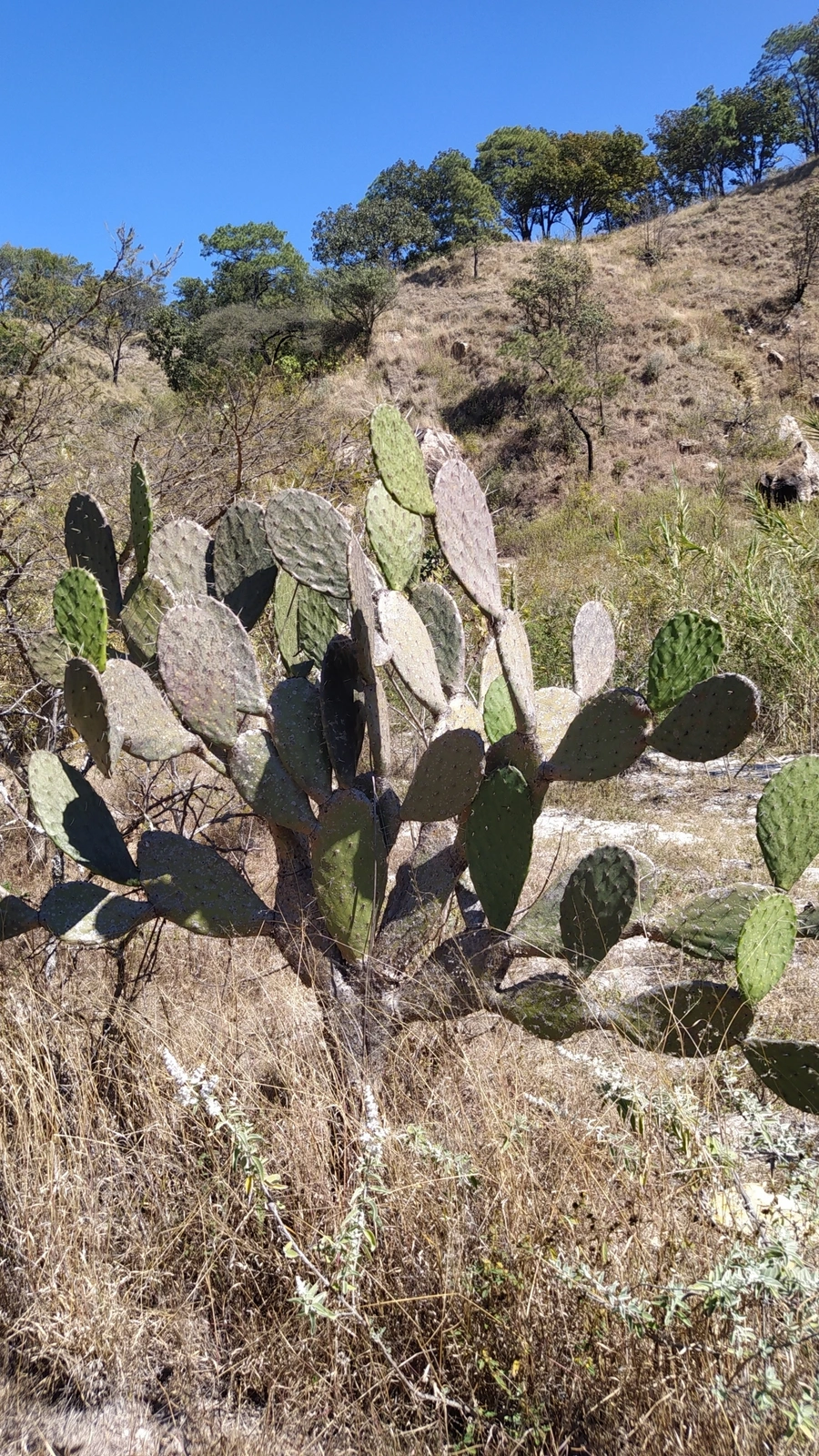
This species is endemic to Mexico, with prominent native populations located in the western and central states, including Jalisco, Colima, Nayarit, and Michoacán 2. It primarily inhabits dry tropical forests, xerophytic scrublands, and disturbed dry agricultural margins.
In its natural habitat, Opuntia fuliginosa can grow into a well-branched tree-like structure between 1.5 to 4 meters tall. Its green, obovate to oblong cladodes (pads) bear woolly areoles with prominent, needle-like spines that range from yellow-brown to a dusty gray. Its flowers are typically yellow, turning reddish with age, followed by fleshy, spine-bearing fruits 1.
In cultivation, it requires maximum sunlight exposure and highly porous soil. Water deeply during the active spring and summer growing periods, allowing the substrate to dry completely between applications. During winter, enter a strict dry cycle.
Overwatering is the primary cause of decline, rapidly leading to root rot. Additionally, placing the plant in low-light indoor environments causes etiolation, where the new pads grow thin, pale, and structurally weak.
Requires full, direct sun; insufficient light causes thin, weak growth.
Allow soil to dry out completely. Drastically reduce watering in winter.
Highly porous cactus mix supplemented with pumice, coarse sand, or gravel.
Contains sharp spines and microscopic irritating glochids. Keep away from pets.
Very easy to maintain if overwatering and poor drainage are strictly avoided.
Native to western and central Mexico, where it populates dry deciduous forests and arid shrublands under intense sunlight.
