
Light
Full Sun
Requires full sun or very bright direct sunlight to maintain its compact, heavily-spined growth form.
 Reference image
 Reference image
Comb-spined Leucostele
Leucostele pectinifera is an eye-catching, columnar, and heavily-spined member of the cactus family (Cactaceae). Known among collectors for its highly symmetrical, comb-like spine arrangement, this resilient species is exceptionally adapted to arid environments, making it a valued addition to succulent gardens and indoor collections.
Previously classified under the genera Echinopsis or Trichocereus, modern phylogenetic evaluations have reassigned this species to the genus Leucostele 1. The specific epithet 'pectinifera' translates from Latin to mean "bearing combs," referring to the comb-like alignment of the radial spines along the ribs.
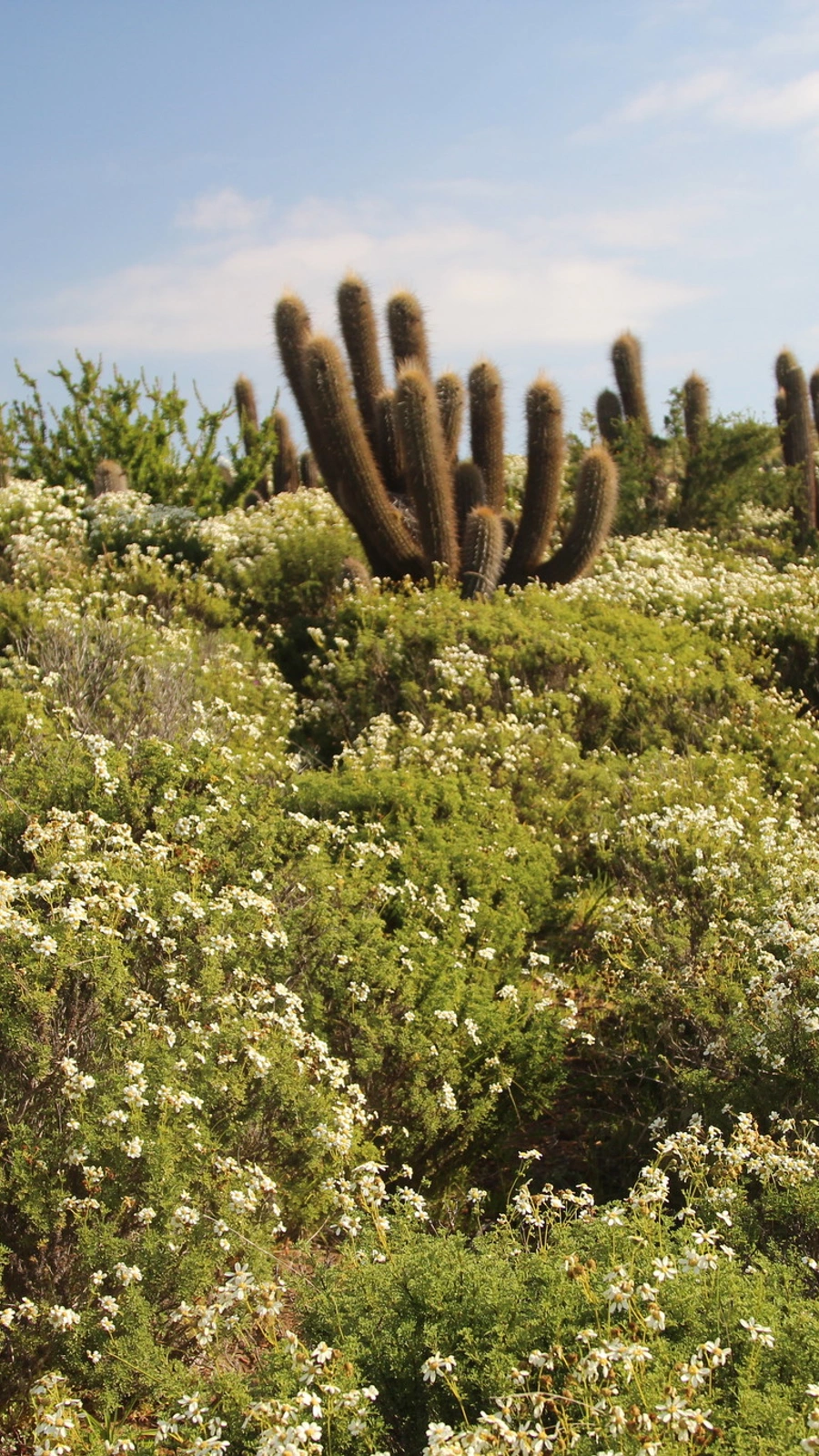
This species is native to the arid mountains and dry shrublands of Southern South America, including regions in Chile, Argentina, and Bolivia 2. It thrives in high-elevation desert ecosystems characterized by intense solar radiation, rocky soils, and low annual precipitation.
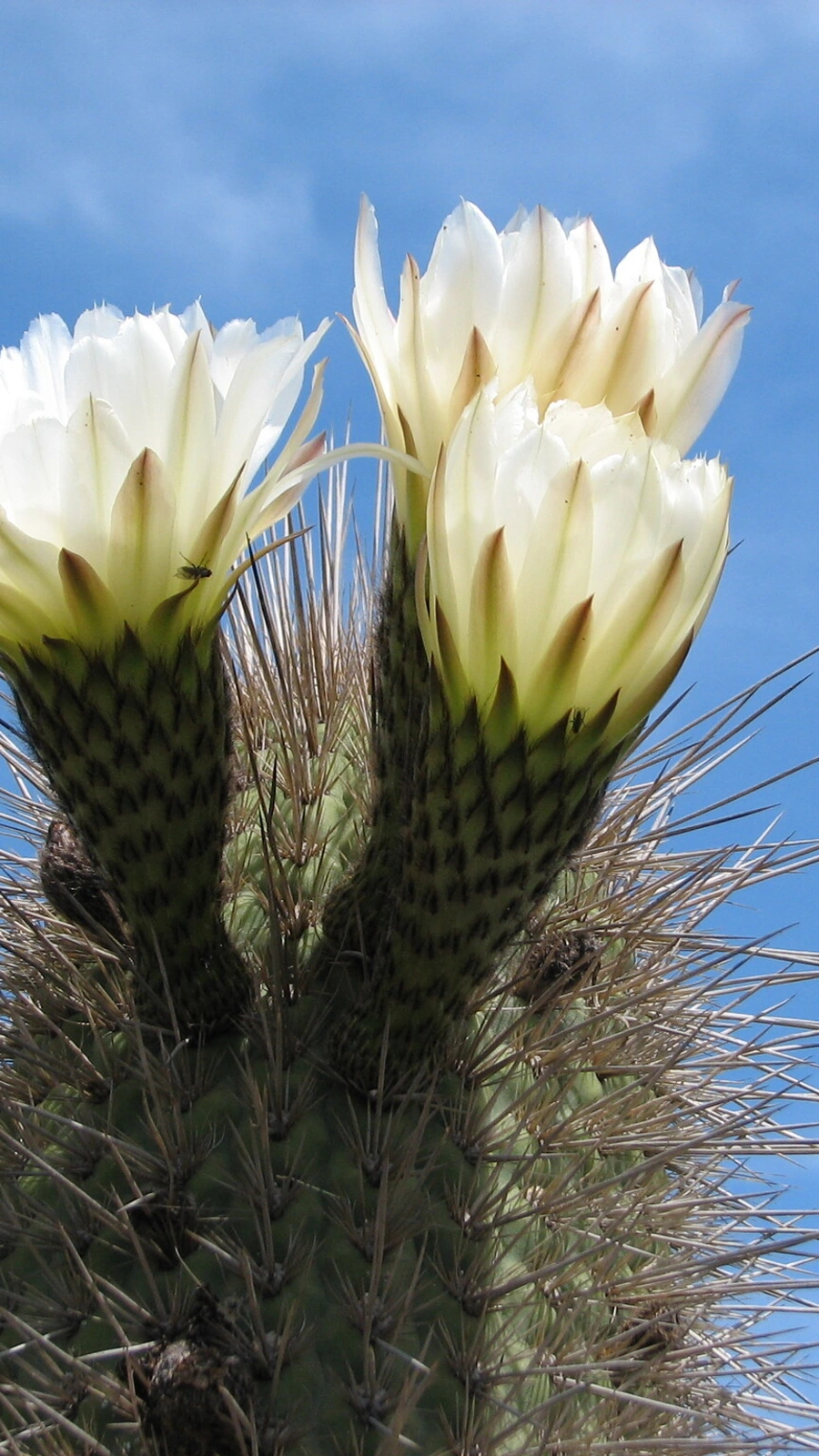
The plant features a cylindrical, green stem with distinct vertical ribs. The areoles bear neat, comb-like arrays of whitish to greyish spines that shield the epidermis from intense sunlight. During summer, mature specimens produce large, showy, nocturnal funnel-shaped flowers in shades of white or pale cream.
Leucostele pectinifera prefers full sun, warm temperatures, and excellent ventilation. During the active growing season (spring and summer), water thoroughly only after the soil has dried completely. In winter, keep the plant entirely dry and cool to encourage dormancy and future blooms. High-mineral potting media are ideal.
Overwatering and high humidity in cold conditions are the primary causes of root rot. Inadequate light exposure leads to etiolation, where the stem becomes thin, weak, and pale green.
Requires full sun or very bright direct sunlight to maintain its compact, heavily-spined growth form.
Allow the soil to dry out 100% between waterings. Practice strict dryness during the winter months.
Thrives in a highly mineral, gritty substrate with plenty of pumice, perlite, and coarse sand.
Non-toxic, but the sharp, comb-like spines can cause physical injury, so handle with care.
Very easy to care for, provided you do not overwater or let it sit in stagnant, soggy soil.
Naturally distributed across the high-altitude rocky slopes, arid deserts, and dry scrublands of Chile, Bolivia, and Argentina.
