
Light
Full Sun
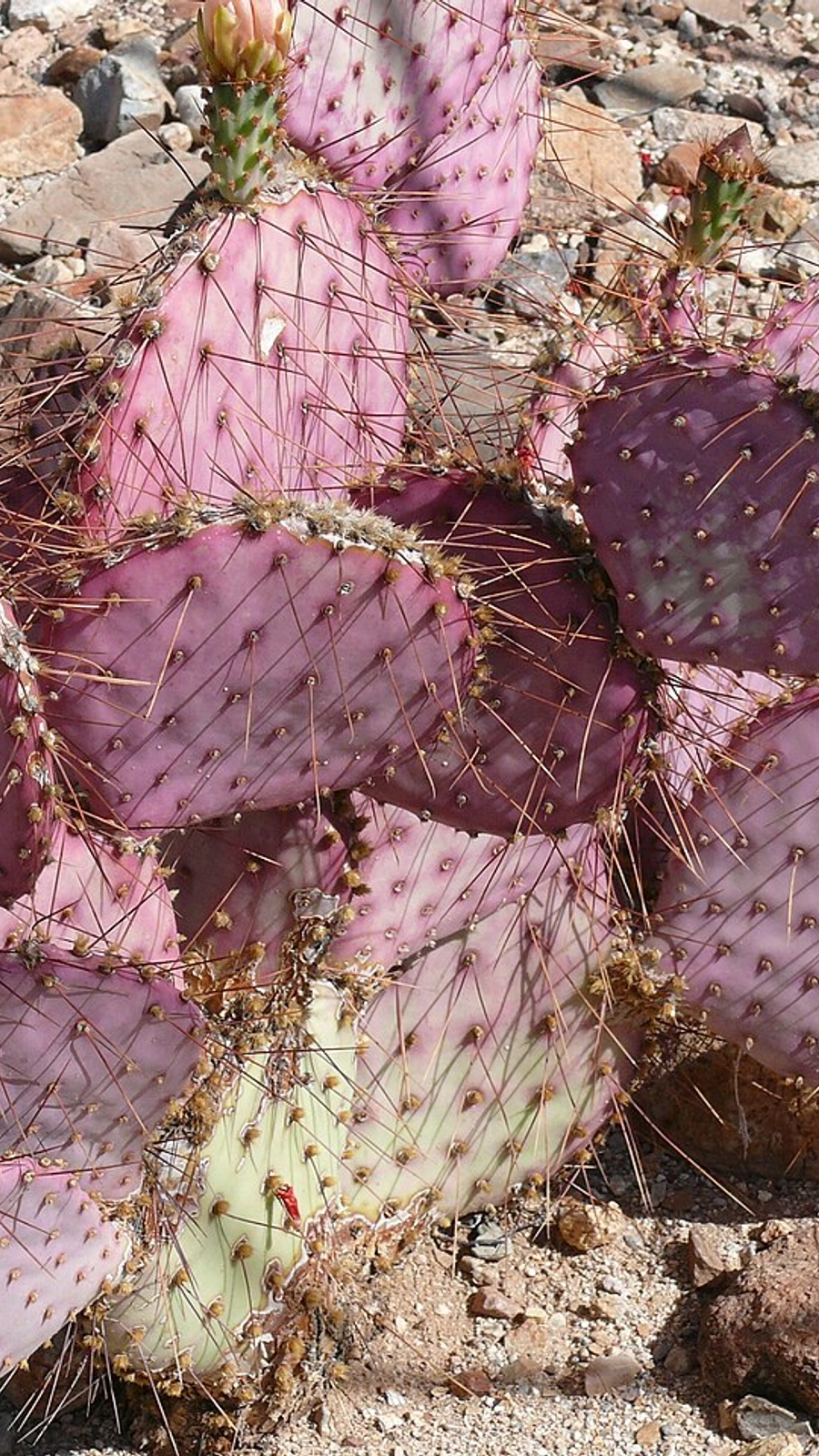
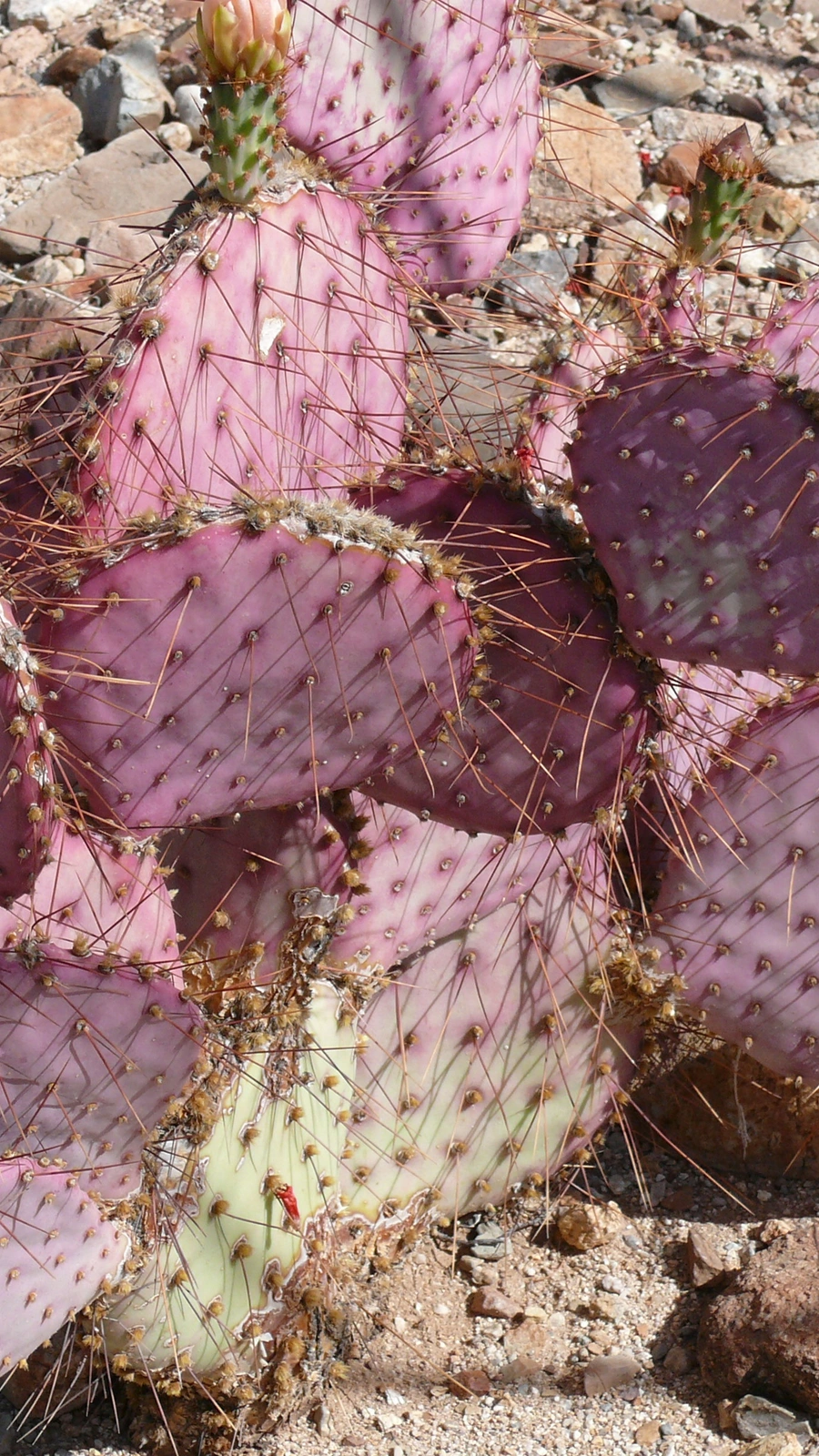
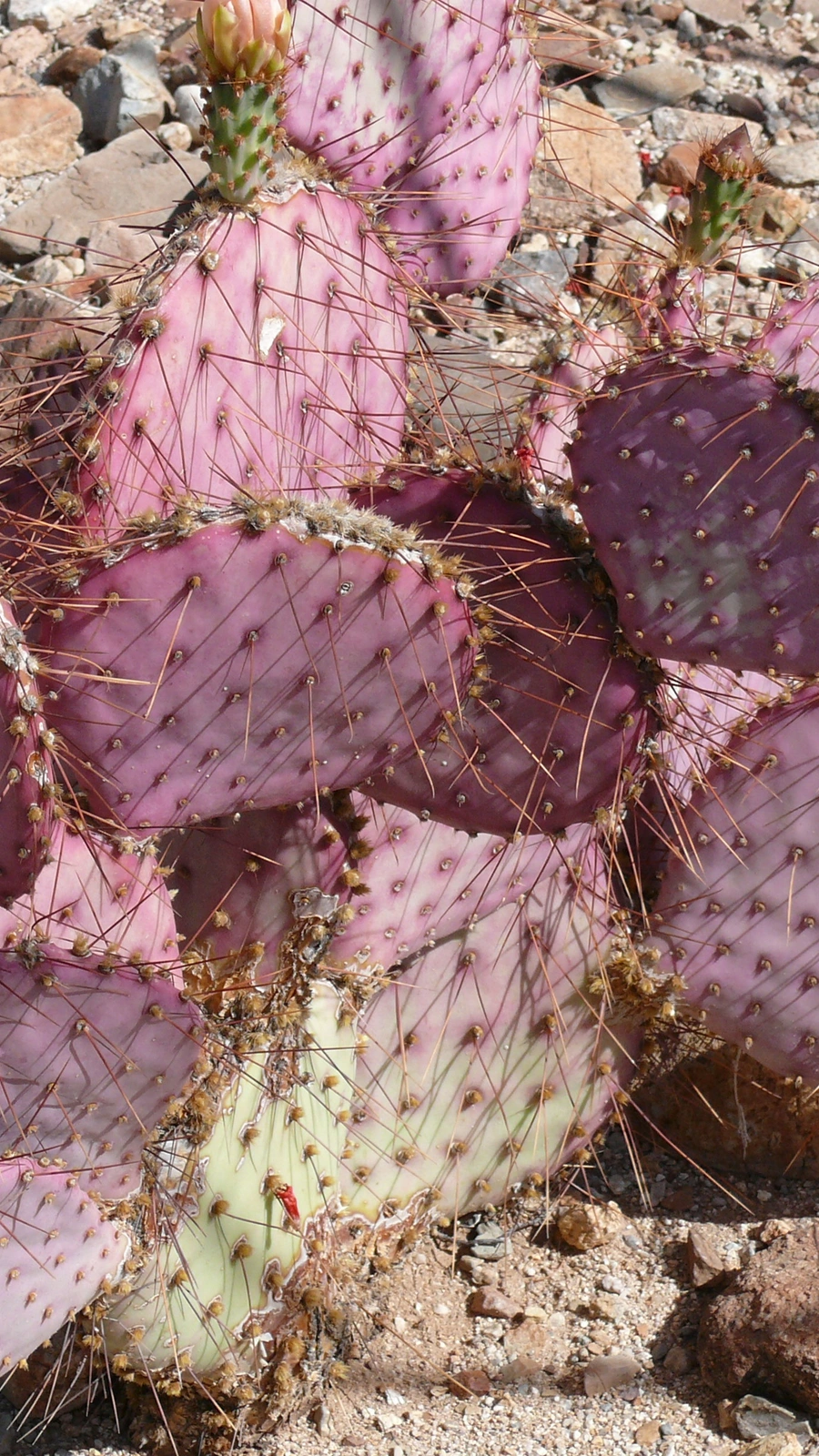
Requires full, direct sun all day to develop and maintain its intense violet-purple coloration.
 Reference image
 Reference image
Violet Prickly Pear
Opuntia gosseliniana, commonly known as the Violet Prickly Pear, is a striking member of the family Cactaceae 1. Renowned for its remarkable violet-purple coloration under environmental stress or intense sunlight, this succulent shrub is highly sought after by desert plant enthusiasts and landscape designers.
First described academically as Opuntia gosseliniana, it belongs to the diverse genus Opuntia 2. It is closely allied with Opuntia macrocentra and Opuntia basilaris, and at times has been classified as a subspecies or variety. The common names 'Violet Prickly Pear' and 'Purple Prickly Pear' refer directly to its distinct epidermal coloration.
This species is native to the arid expanses of North America 1. Its natural range spans from southern Arizona in the United States down to the Mexican states of Sonora, Baja California, and Sinaloa. It thrives in desert environments, particularly on rocky slopes, alluvial fans, and dry shrublands characterized by intense heat and low rainfall.
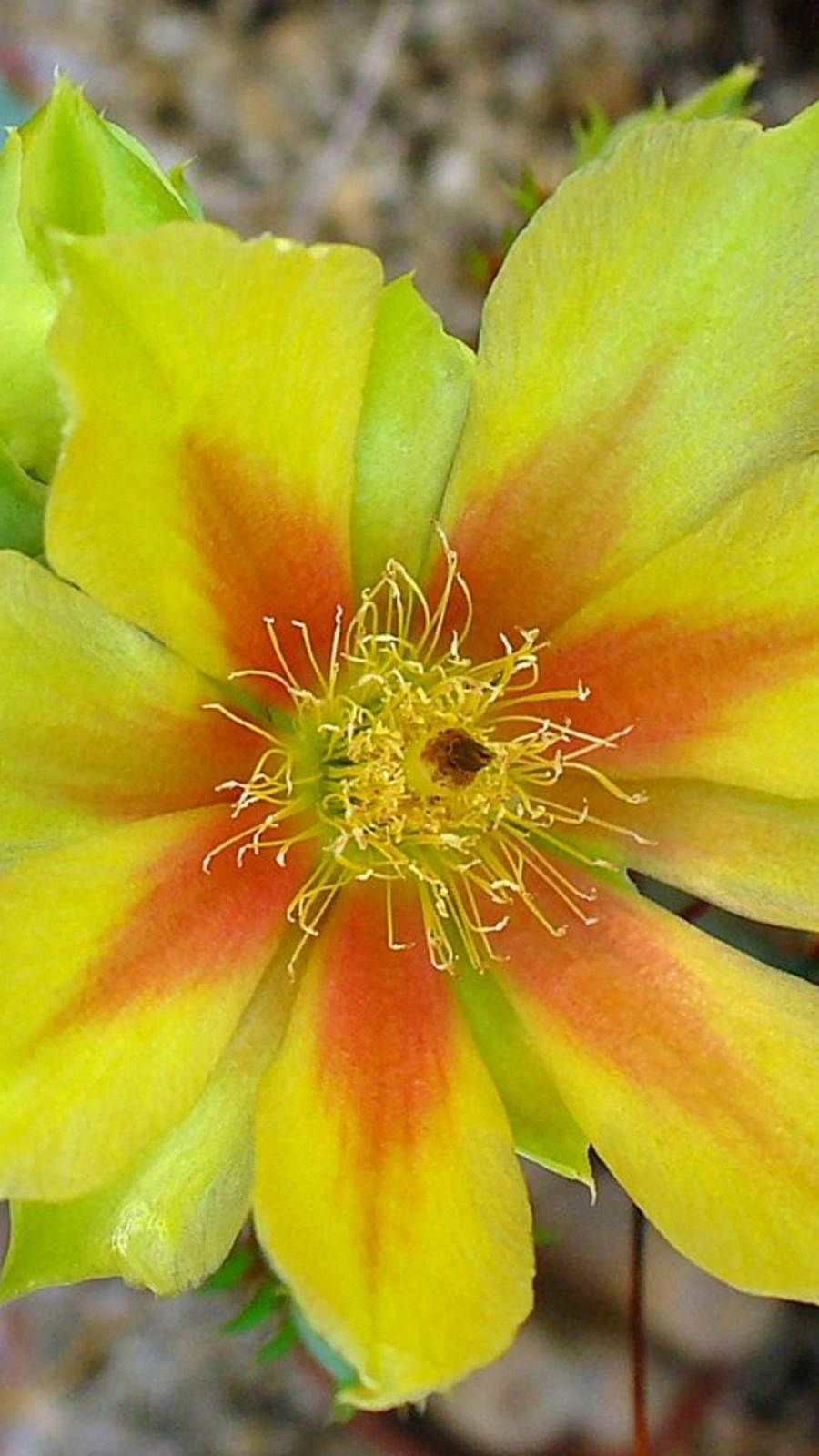
Opuntia gosseliniana forms a bushy, upright shrub of flattened, rounded to obovate pads (cladodes) 2. The pads develop a deep purple-violet hue under the influence of cold or full sun. Long, needle-like, reddish-brown to grey spines emerge from the areoles, along with tiny, irritating glochids. In spring, it produces showy, bright yellow flowers, which may have reddish centers, followed by fleshy, spineless fruits.
This cactus requires full, direct sun to maintain its vivid coloration and compact growth habit. It must be potted in a highly mineral, gritty substrate with exceptional drainage. Water deeply only when the medium is completely dry, and suspend watering almost entirely during the cold winter dormancy.
Overwatering and poor soil drainage are the most frequent causes of failure, quickly leading to root rot 1. Furthermore, a lack of sufficient light causes the pads to lose their purple coloration, turning pale green, and results in weak, leggy growth.
Requires full, direct sun all day to develop and maintain its intense violet-purple coloration.
Allow the soil to dry out completely between waterings. Reduce watering to a minimum in the winter months.
Thrives in a highly porous, gritty, and fast-draining mineral mix consisting of pumice, coarse sand, and perlite.
Features long spines and microscopic glochids that easily dislodge and irritate the skin. Keep away from pets and children.
Very easy to maintain, provided it receives sufficient sunlight and is never left in waterlogged soil.
Mainly distributed throughout the Sonoran Desert, extending across southern Arizona into the rocky hills, desert plains, and dry shrublands of Sonora and Baja California.
