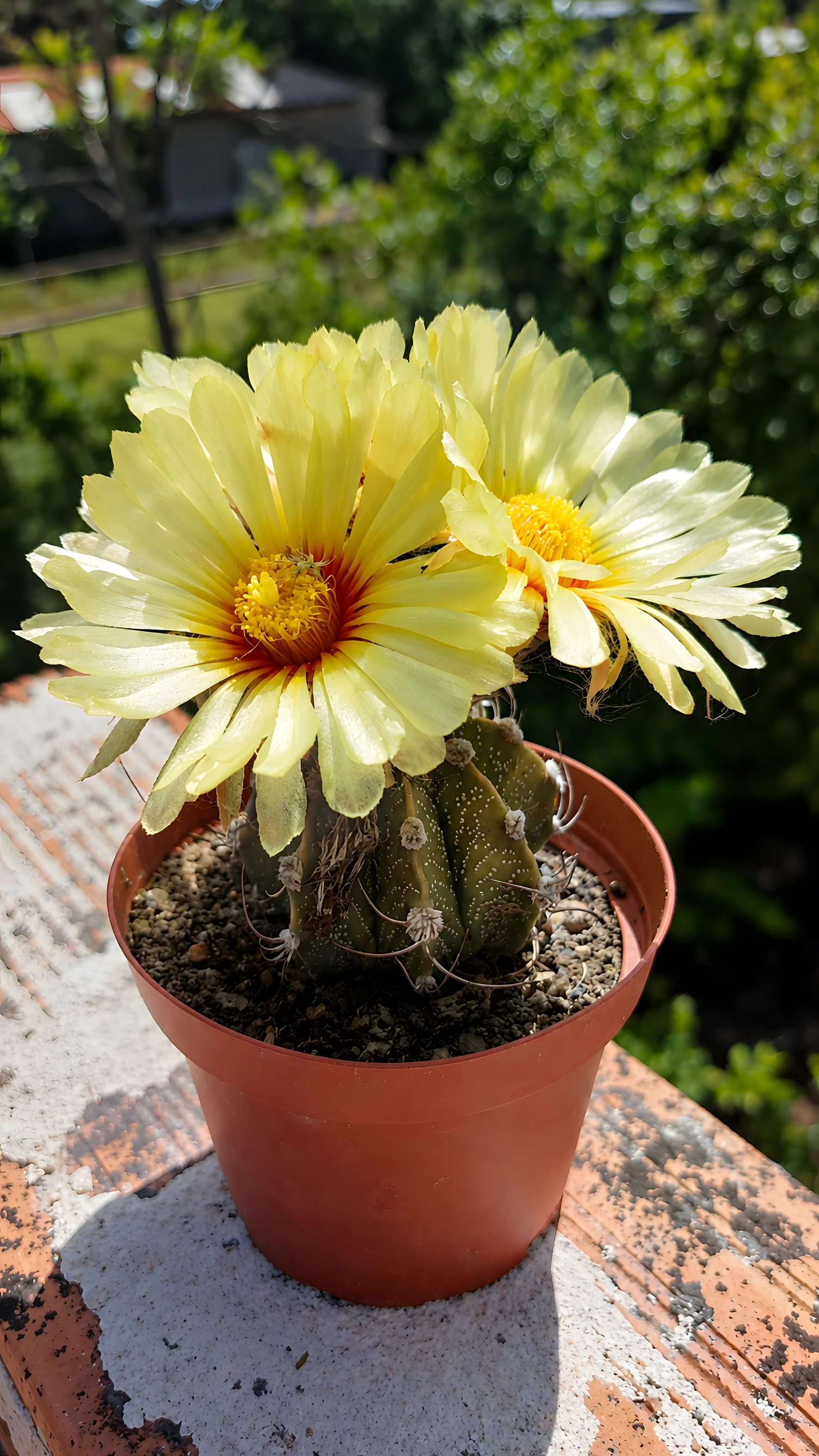
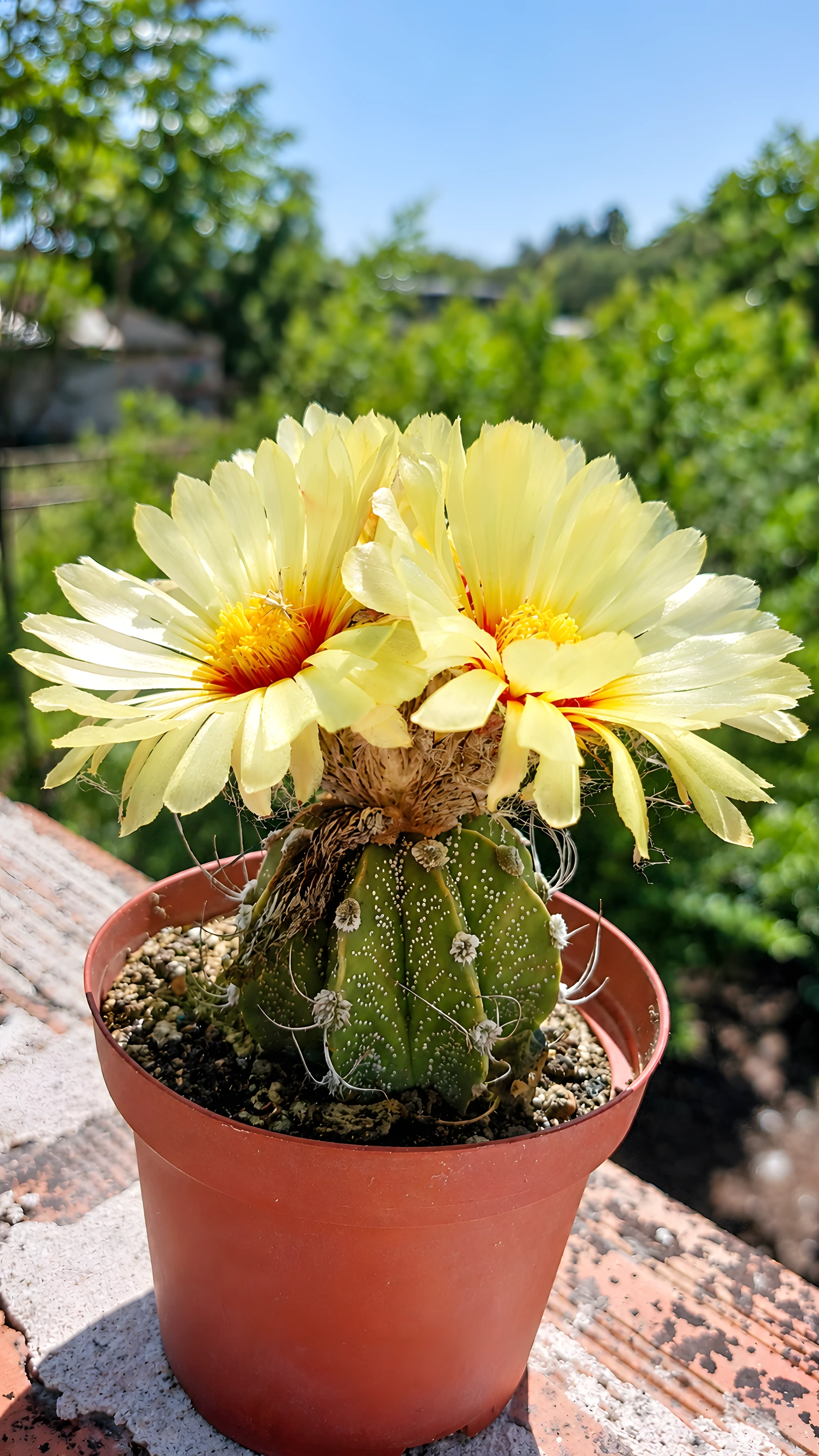
Astrophytum capricorne

Goat's Horn Cactus

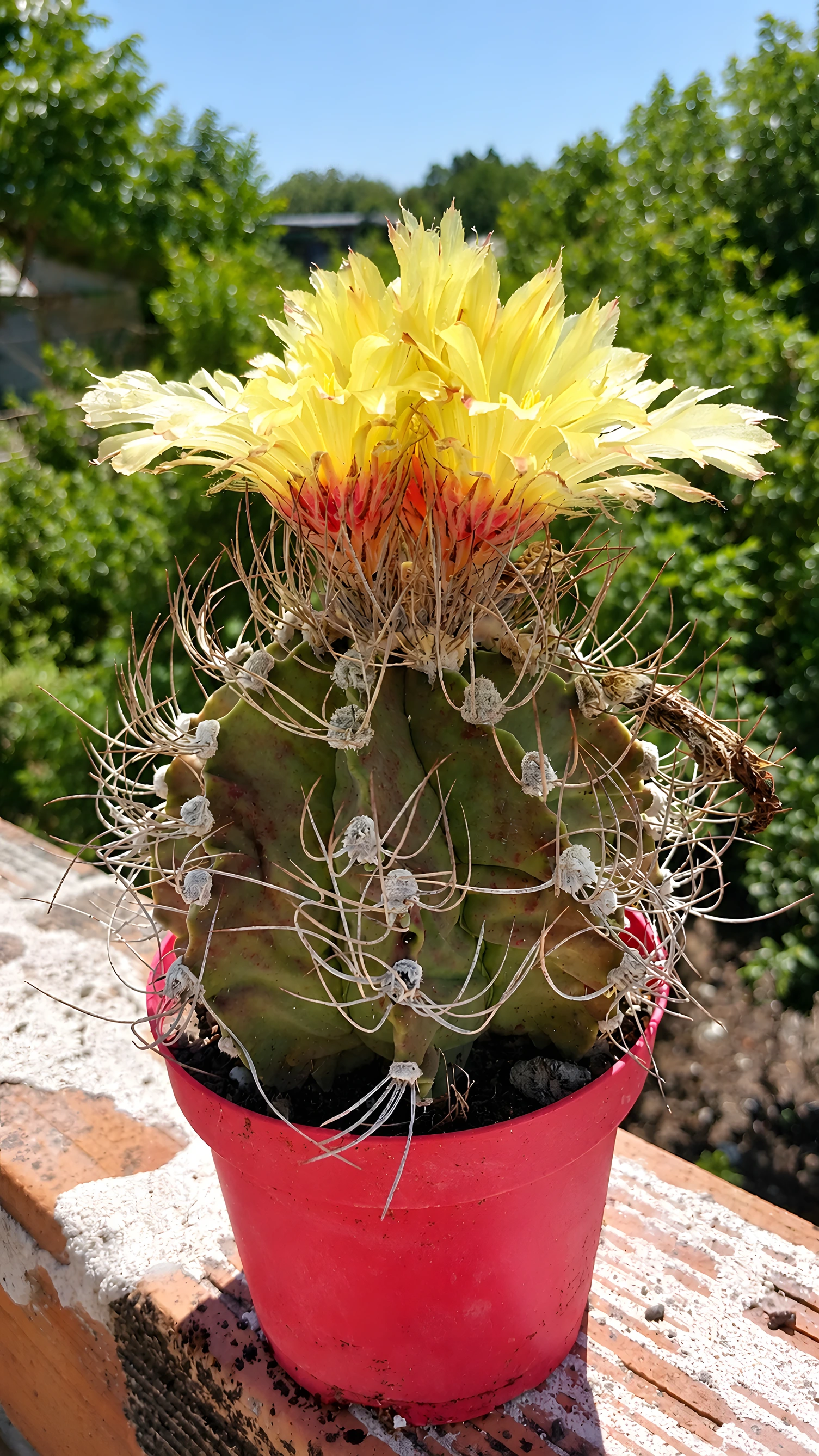
Astrophytum capricorne, a captivating and unique cactus species belonging to the Cactaceae family, is native to the arid regions of Mexico. Commonly known as the 'Goat's Horn Cactus' due to its distinctive spines, this plant is highly prized among cactus collectors for its unusual appearance. It typically grows as a solitary, globular to cylindrical stem, reaching heights of 20-30 cm and diameters of 10-15 cm as it matures 1.

Morphological Characteristics

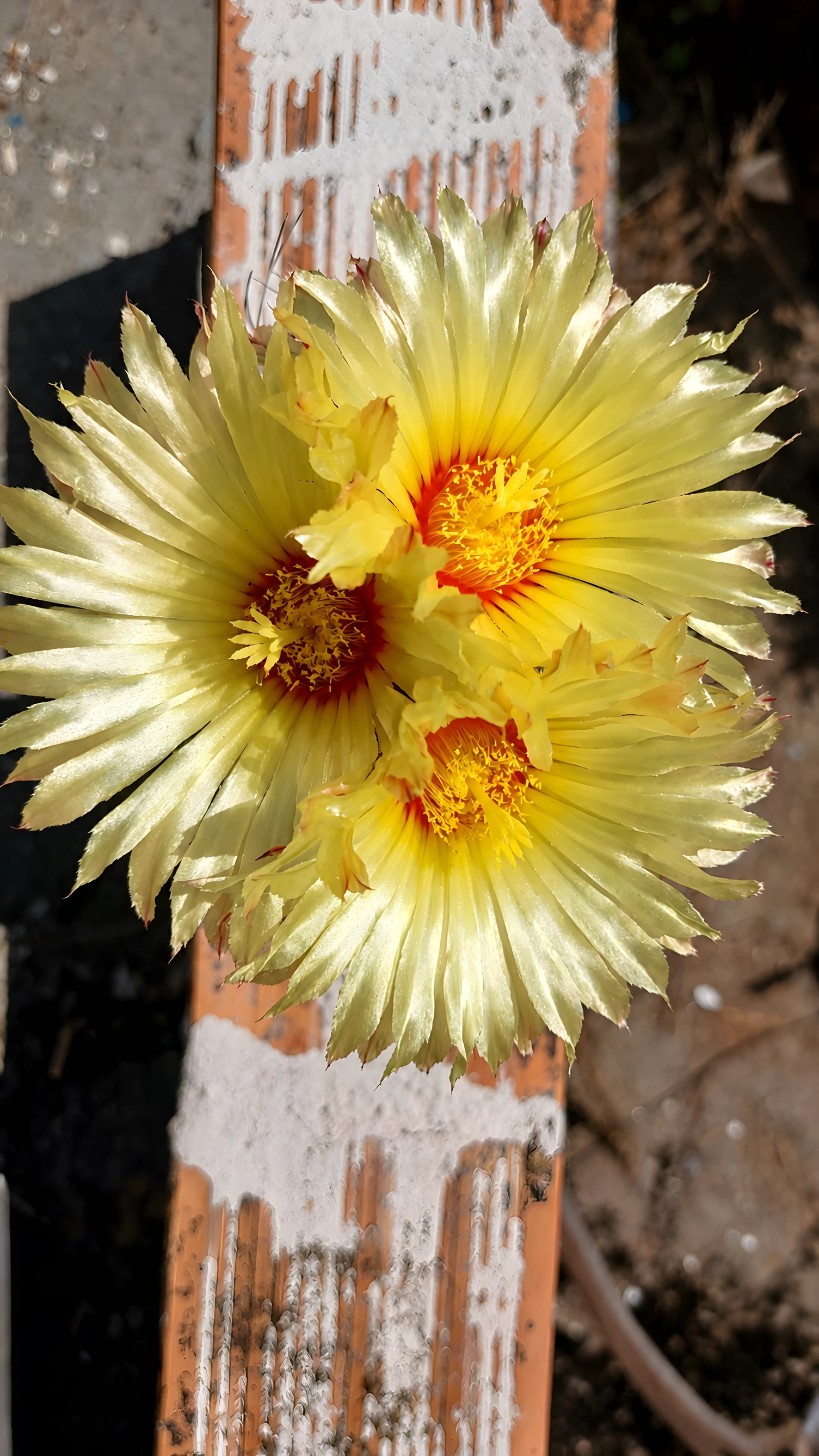
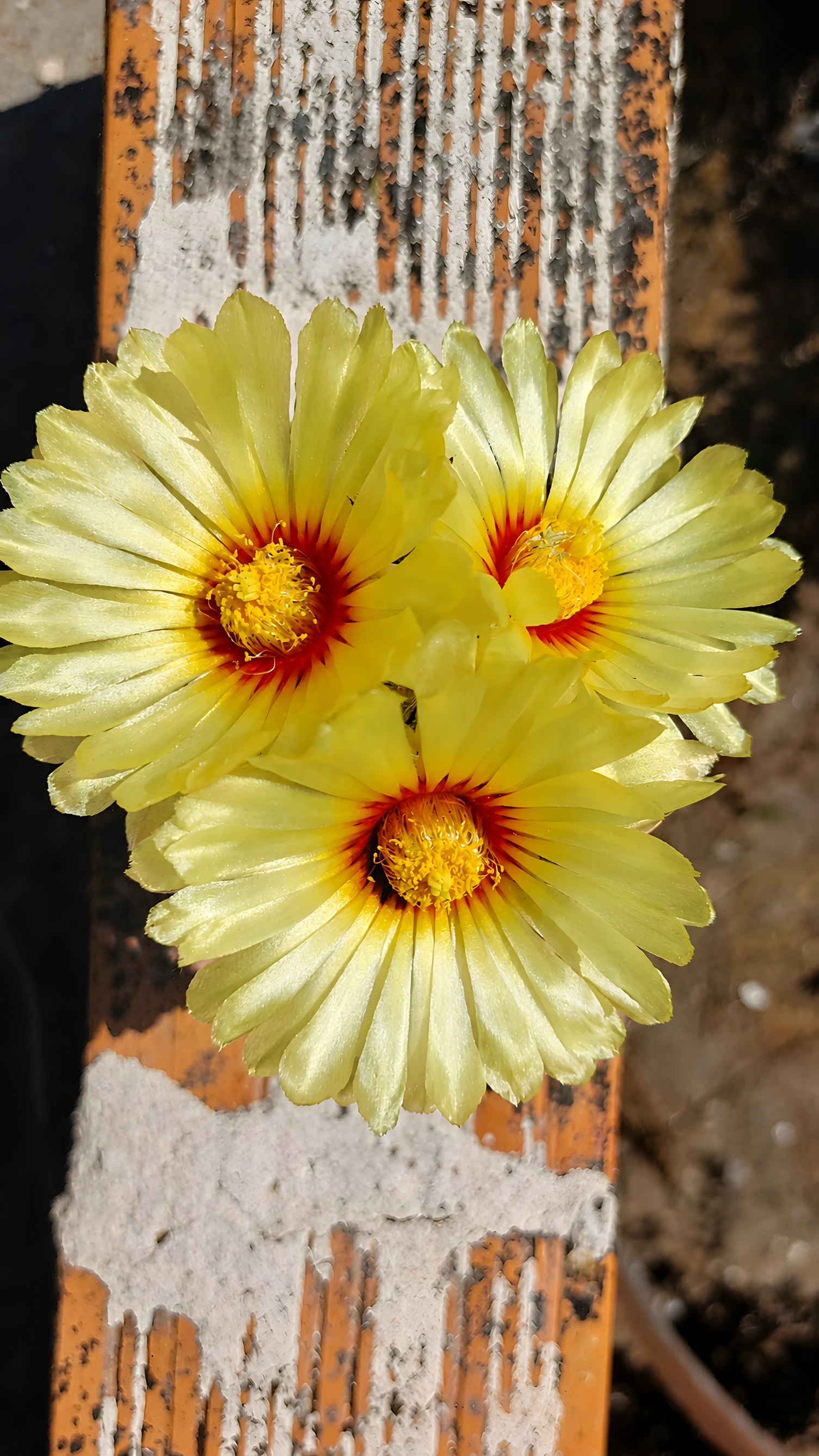
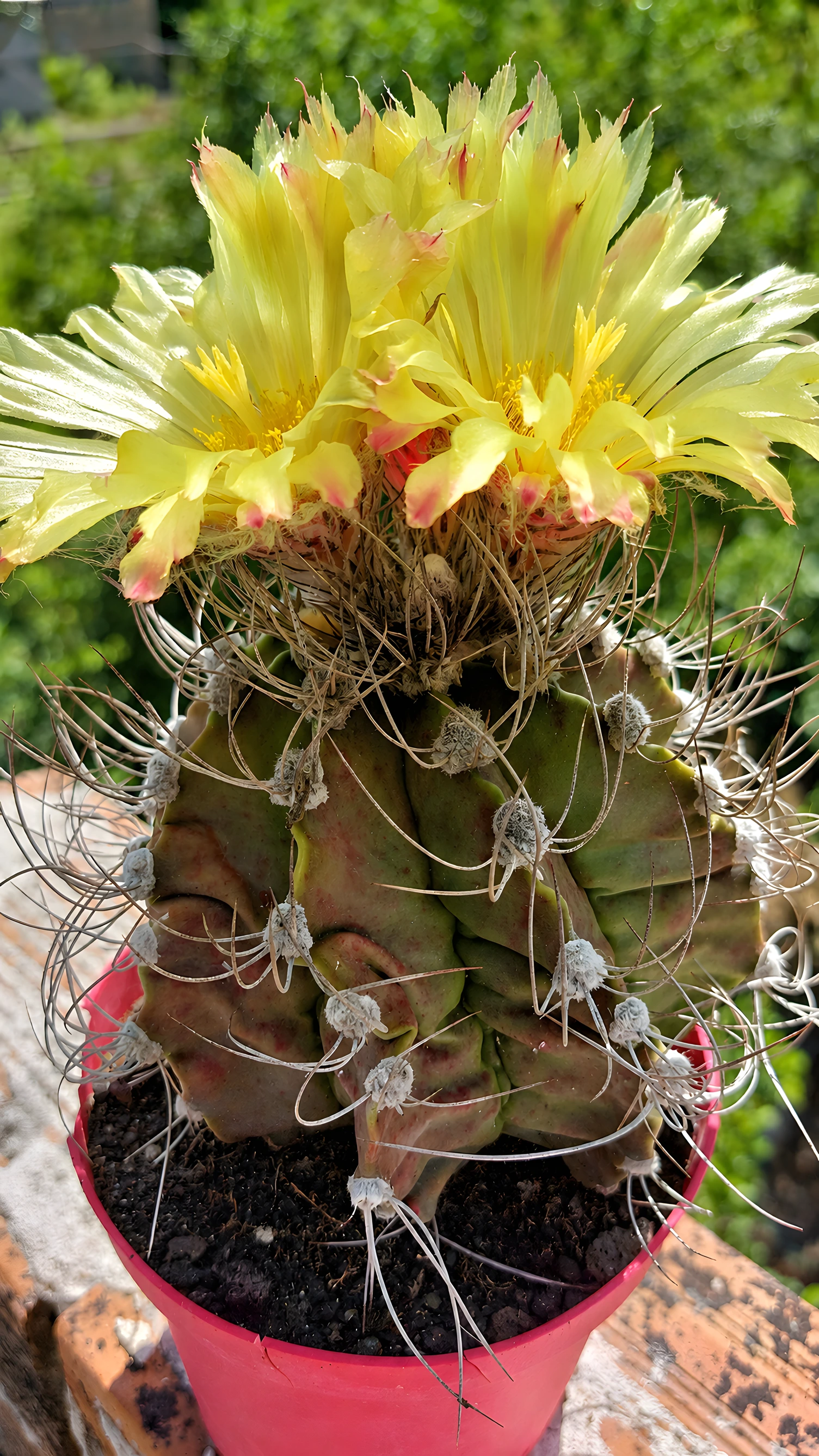
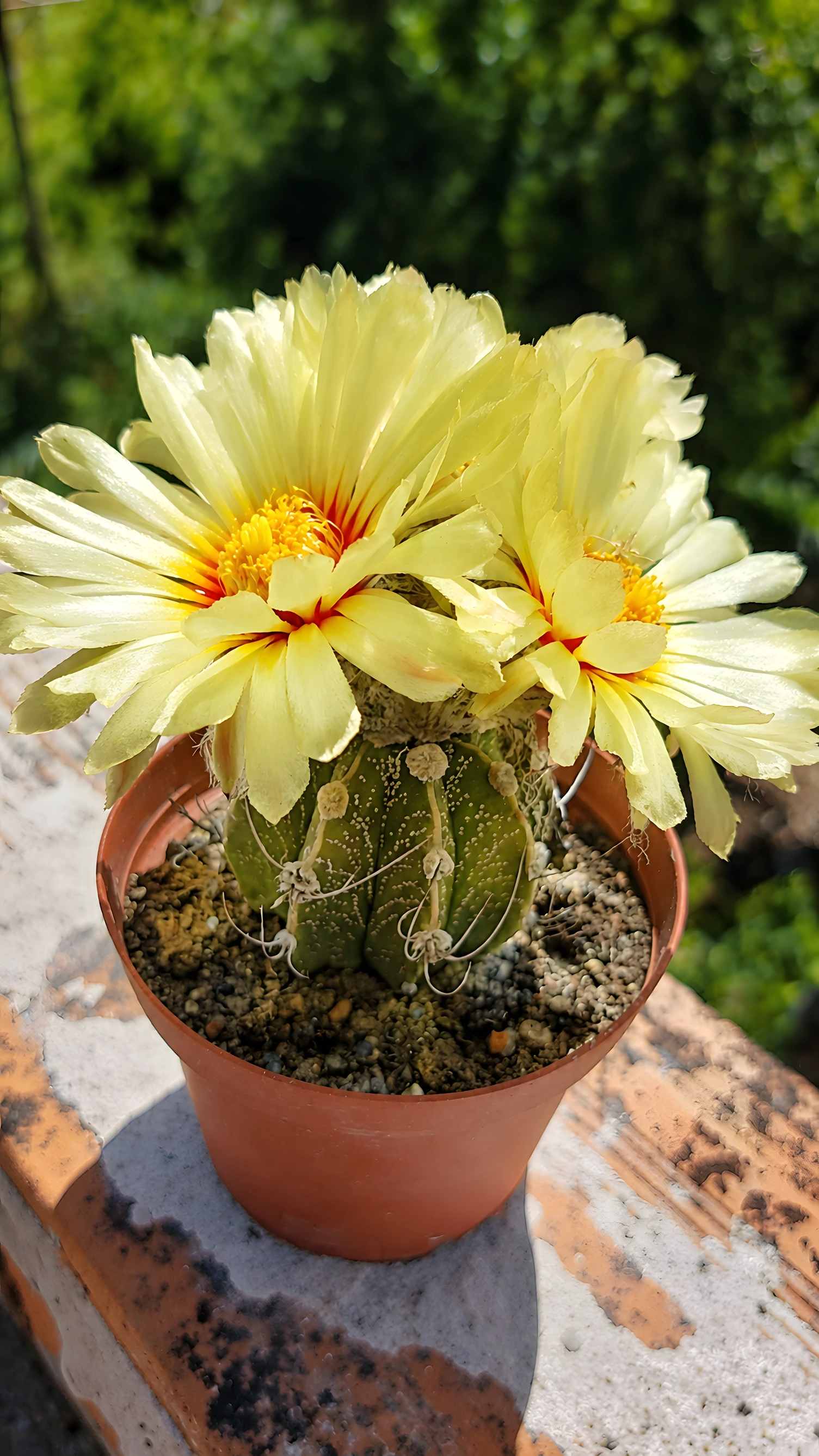
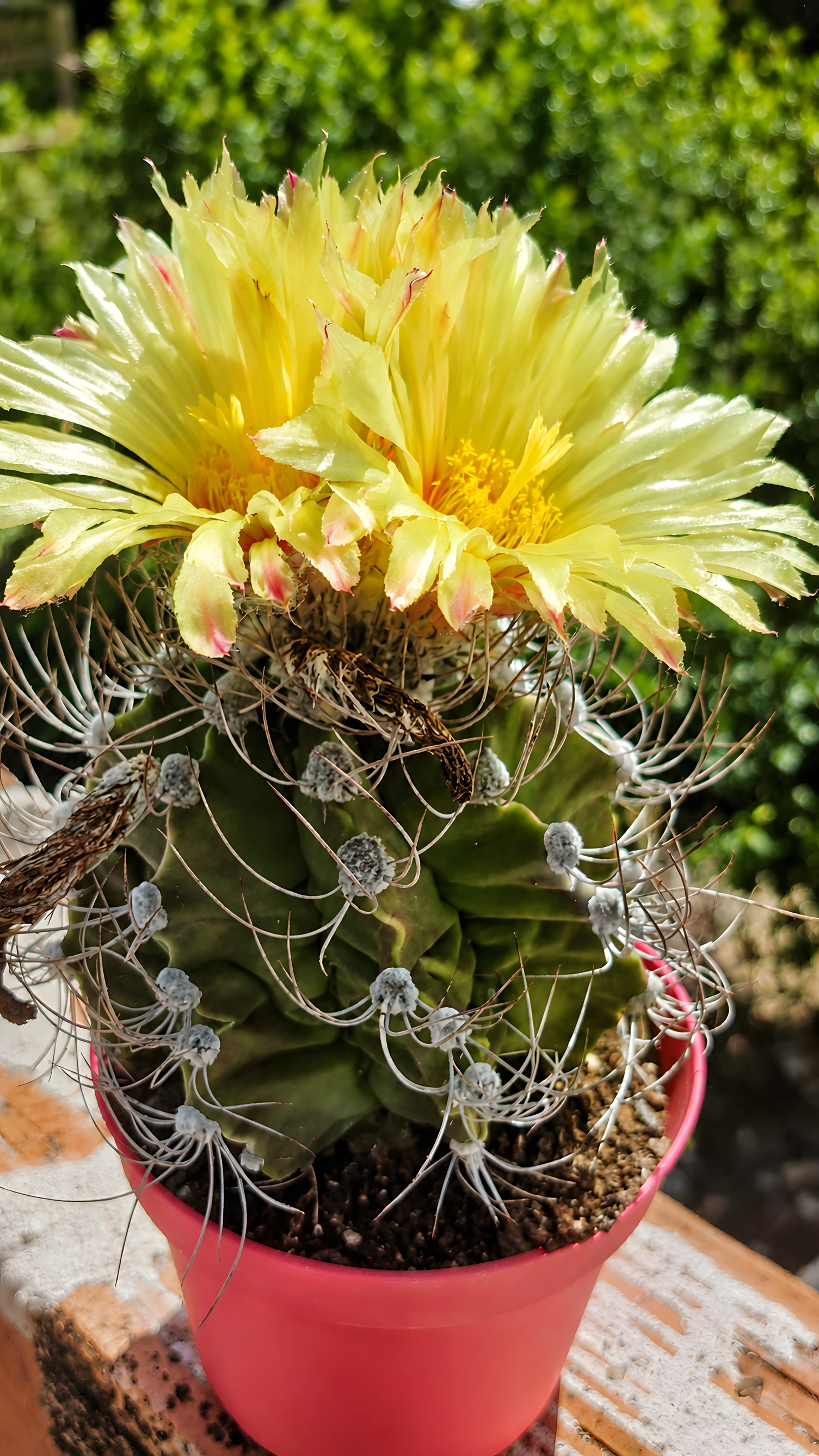
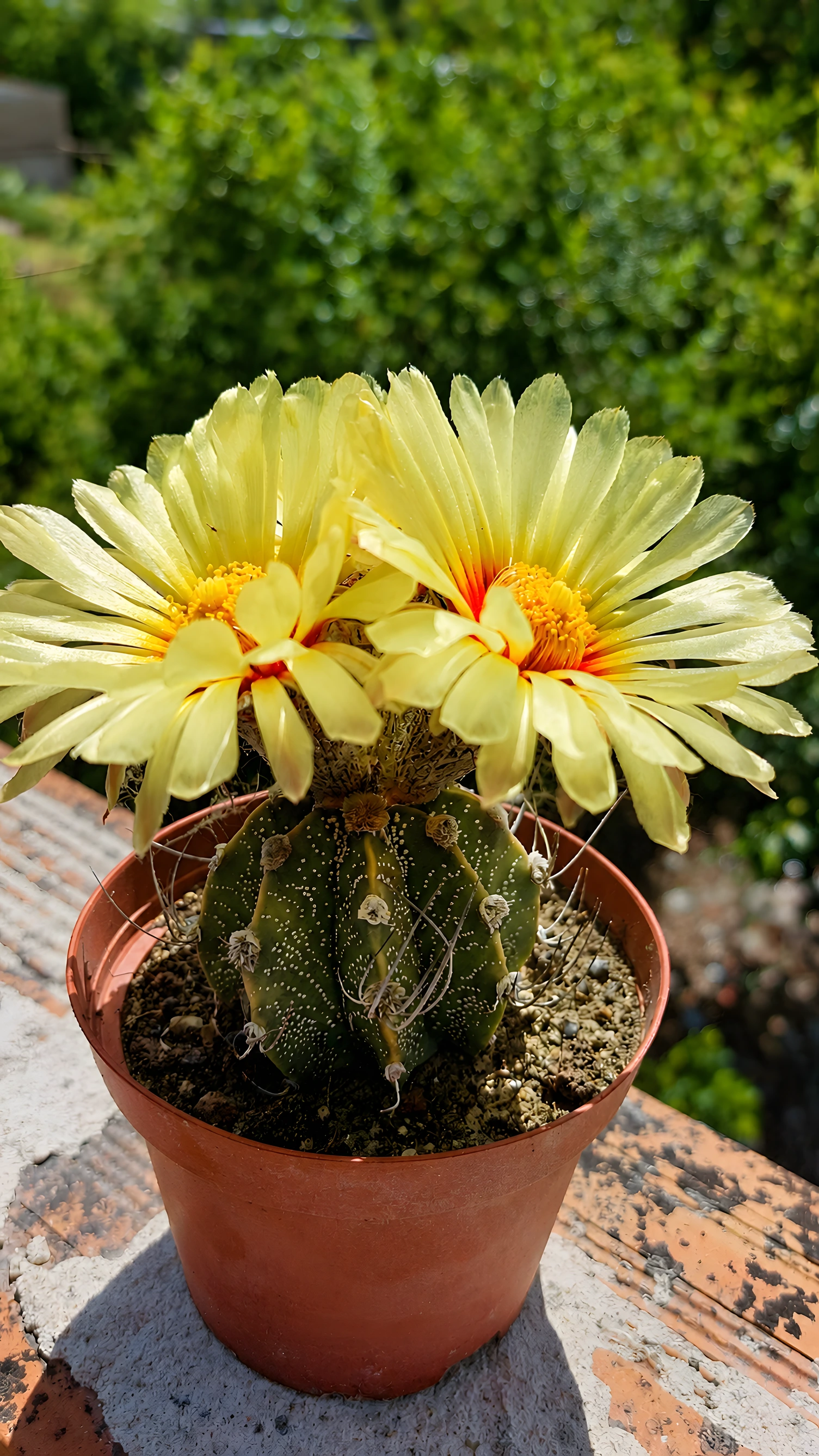
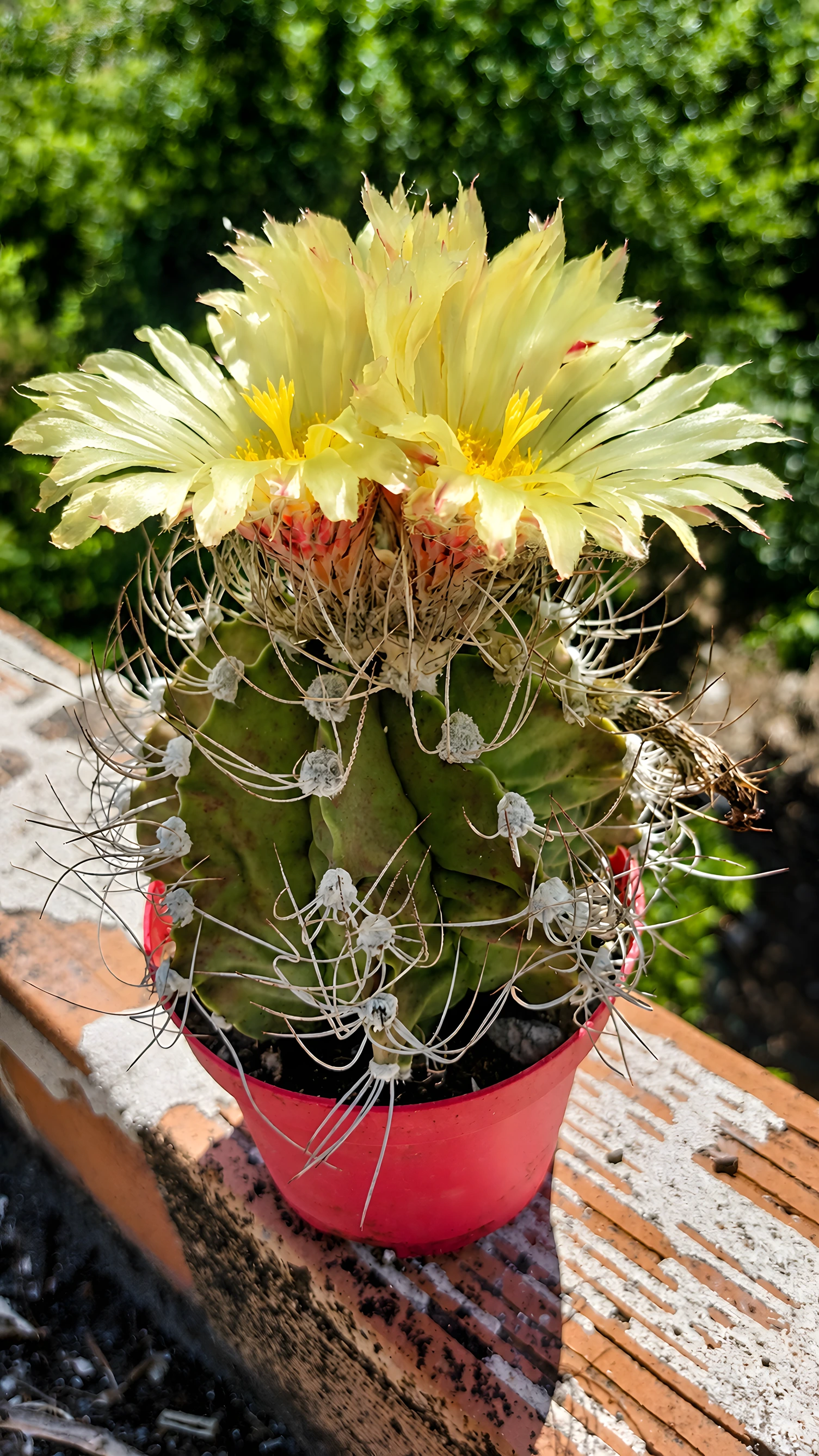
Astrophytum capricorne derives its name from its characteristic curved spines, which resemble goat horns. These spines can vary in shape and length depending on the plant's age and growing conditions; they may be straighter and shorter on younger plants, becoming longer and more spiraled on mature specimens. The stem is generally light green to grayish-green, adorned with white, woolly areoles and sometimes scattered white flecks. The body is characterized by 7 to 8 prominent ribs. During the summer months, large, bright yellow flowers, often with a reddish center, emerge from the apex of the plant. These flowers typically remain open for a few days and fully unfurl in direct sunlight 2.

Habitat and Conservation Status

In its natural habitat, Astrophytum capricorne thrives on rocky, limestone-based slopes and desert areas in the northeastern states of Mexico, including Coahuila, Durango, Nuevo León, San Luis Potosí, Tamaulipas, and Hidalgo. These regions are characterized by arid climatic conditions and intense sunlight. According to the IUCN Red List, Astrophytum capricorne is listed as 'Least Concern' (LC), as its populations are considered stable. However, localized subpopulations may face threats from illegal collection and habitat degradation.

References

  1. Anderson, Edward F. (2001). The Cactus Family. Timber Press.
  2. Pilbeam, John (1995). Astrophytum and Notocactus. B.T. Batsford Ltd.
Light

Full Sun

Provide at least 6 hours of direct sunlight daily; a south-facing window or outdoor spot is ideal. Insufficient light will slow growth and inhibit flowering.

Watering

12-45 Days

Allow the soil to completely dry out between waterings. In summer, water every 10-14 days; in winter, water once a month or not at all. Overwatering leads to root rot.

Soil

Well-draining cactus and succulent mix

Use a well-aerated, fast-draining, mineral-rich cactus and succulent mix. Opt for mixes high in perlite, pumice, or coarse sand.

Safety

Contact/Ingestion Risk

This cactus species is not toxic to pets or humans. However, its spines are sharp, so handle with care and keep it out of reach of children and pets to prevent accidental injury.

Difficulty

Moderate

Considered to have moderate care difficulty. It thrives with basic cactus care principles but is sensitive to overwatering and insufficient light.

Native Habitat

Mexico

Astrophytum capricorne is indigenous to the northeastern regions of Mexico, specifically found in the states of Coahuila, Durango, Nuevo León, San Luis Potosí, Tamaulipas, and Hidalgo. The arid, desert-like climates and limestone-rich soils of these areas constitute the plant's natural growing environment. It is typically found on rocky, open slopes and in shrubland terrains.

Frequently Asked Questions

How often should Astrophytum capricorne be watered?
In summer, water approximately every 10-14 days after the soil has completely dried out. In winter, reduce watering to once a month or cease altogether. Overwatering leads to root rot.
What type of light is best for Astrophytum capricorne?
It requires direct and abundant sunlight. A south-facing window or an outdoor location that receives at least 6 hours of direct sun daily is ideal. Insufficient light will hinder growth.
What is the ideal soil mix for Astrophytum capricorne?
Use a well-draining, mineral-rich cactus and succulent soil mix. You can enhance drainage by adding pumice, perlite, or coarse sand to the mixture.
How large does Astrophytum capricorne grow?
It is a slow-growing cactus species. When mature, it typically reaches a height of 20-30 cm and a diameter of 10-15 cm. Its flowering adds to its aesthetic appeal.
Does Astrophytum capricorne flower, and how does it bloom?
Yes, it typically produces large, bright yellow flowers, sometimes with a red center, from its apex during summer. Abundant sunlight and an appropriate winter dormancy period are essential for flowering.
Is Astrophytum capricorne cold-hardy?
It can tolerate brief, light frosts (down to 5°C), but it must be protected from temperatures below freezing. Keeping it dry during winter increases its frost resistance.
Is Astrophytum capricorne toxic to pets?
No, *Astrophytum capricorne* is not toxic to pets or humans. However, due to its sharp spines, caution should be exercised to prevent injuries.
What are the most common problems with Astrophytum capricorne?
The most common problems are root rot from overwatering and stunted growth due to insufficient light. Additionally, poor ventilation can lead to fungal diseases.
How is Astrophytum capricorne propagated?
It is primarily propagated by seed. Seeds collected from mature plants will germinate under suitable temperature and humidity conditions, producing new seedlings. Offsets are rare.
Is Astrophytum capricorne difficult to care for?
It is a cactus with moderate care requirements. It thrives when basic cactus needs (ample light, minimal water, well-draining soil) are met, but can show sensitivity if neglected.