
Light
Bright Indirect Light
Requires bright filtered sunlight or partial shade, mimicking the protection of desert nurse plants.
 Reference image
 Reference image
Night-blooming Cereus
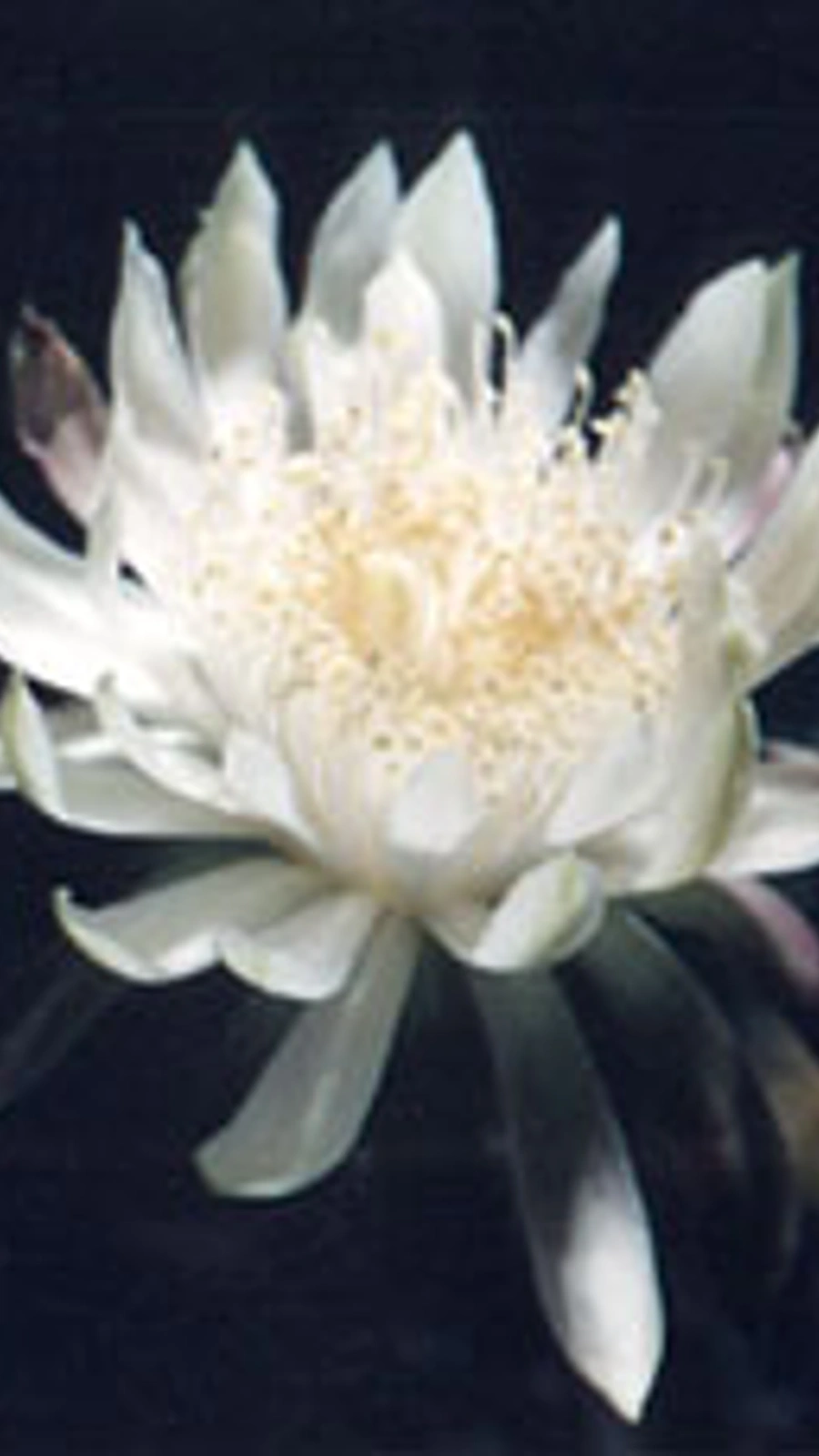
Cereus greggii (widely classified today as Peniocereus greggii 1) is an extraordinary desert cactus celebrated for its cryptic appearance and spectacular, heavily scented nocturnal flowers. Known commonly as the "Arizona Queen of the Night", this species survives harsh desert droughts through a massive underground tuberous root system.
Belonging to the family Cactaceae, the species was first documented by Dr. Josiah Gregg and named in his honor 2. Historically placed under the broad genus Cereus, its thin, sprawling, ribbed stems and prominent caudiciform root led modern taxonomists to place it within the genus Peniocereus.
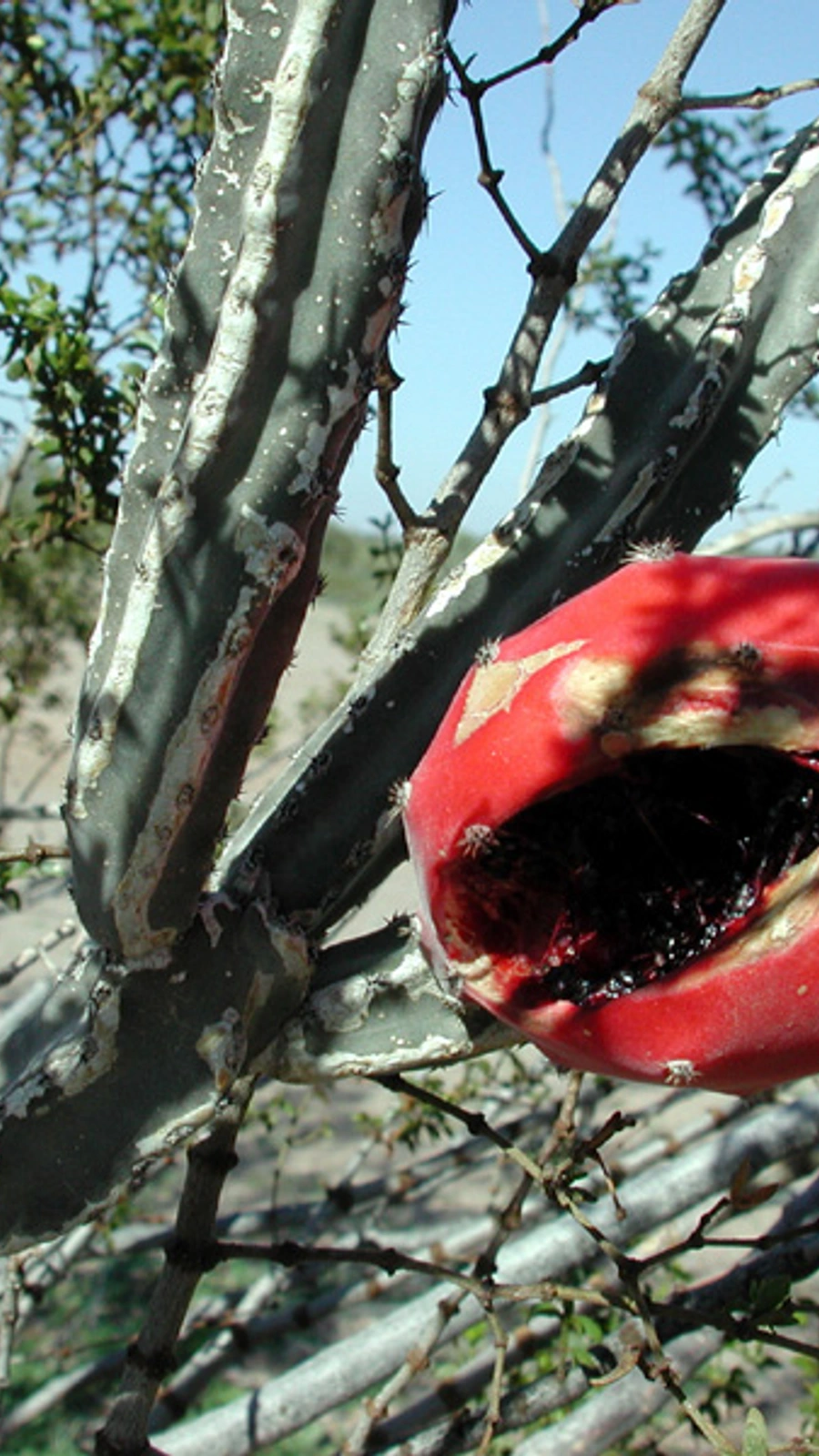
Native to the Sonoran and Chihuahuan Deserts of North America 1, this species ranges across Arizona, New Mexico, western Texas, and northern Mexico. It typically grows under the canopy of nurse plants like creosote bushes and desert ironwoods, which camouflage the plant from herbivores and protect it from extreme sun.
The most remarkable feature is the underground tuber, which can weigh from 5 to over 70 kg. The aerial stems are thin, angular, grayish-green, and resemble dead sticks, helping the plant blend into its surroundings. In midsummer, the plant produces large, trumpet-shaped white flowers up to 20 cm long that open for just one night, emitting a powerful fragrance to attract nocturnal pollinators like sphinx moths.
In cultivation, mimicking its native arid environment is crucial. It requires exceptionally well-draining, mineral-based soil and deep containers to accommodate its large root system. Bright, indirect light or filtered sunlight is ideal for mimicking the dappled shade of its natural nurse plants.
Overwatering is the single most common cause of failure, quickly leading to root and tuber rot. Poorly draining soil and heavy plastic pots that retain moisture can be fatal. Keeping the soil wet during the winter dormancy period must be avoided.
Requires bright filtered sunlight or partial shade, mimicking the protection of desert nurse plants.
Water thoroughly only when the substrate is completely dry. Keep dry in winter.
Requires extremely gritty, fast-draining mineral soil with high pumice or gravel content.
The stems carry small spines. While non-toxic to pets, its physical spines can cause minor irritation.
Moderate care level due to its susceptibility to rot and specific potting depth requirements.
Native to the arid regions of the Sonoran and Chihuahuan deserts, spanning southern Arizona, New Mexico, western Texas, and northern Mexican states.
