
Light
Full Sun
Prefers south-facing windows with at least 6 hours of direct sunlight.
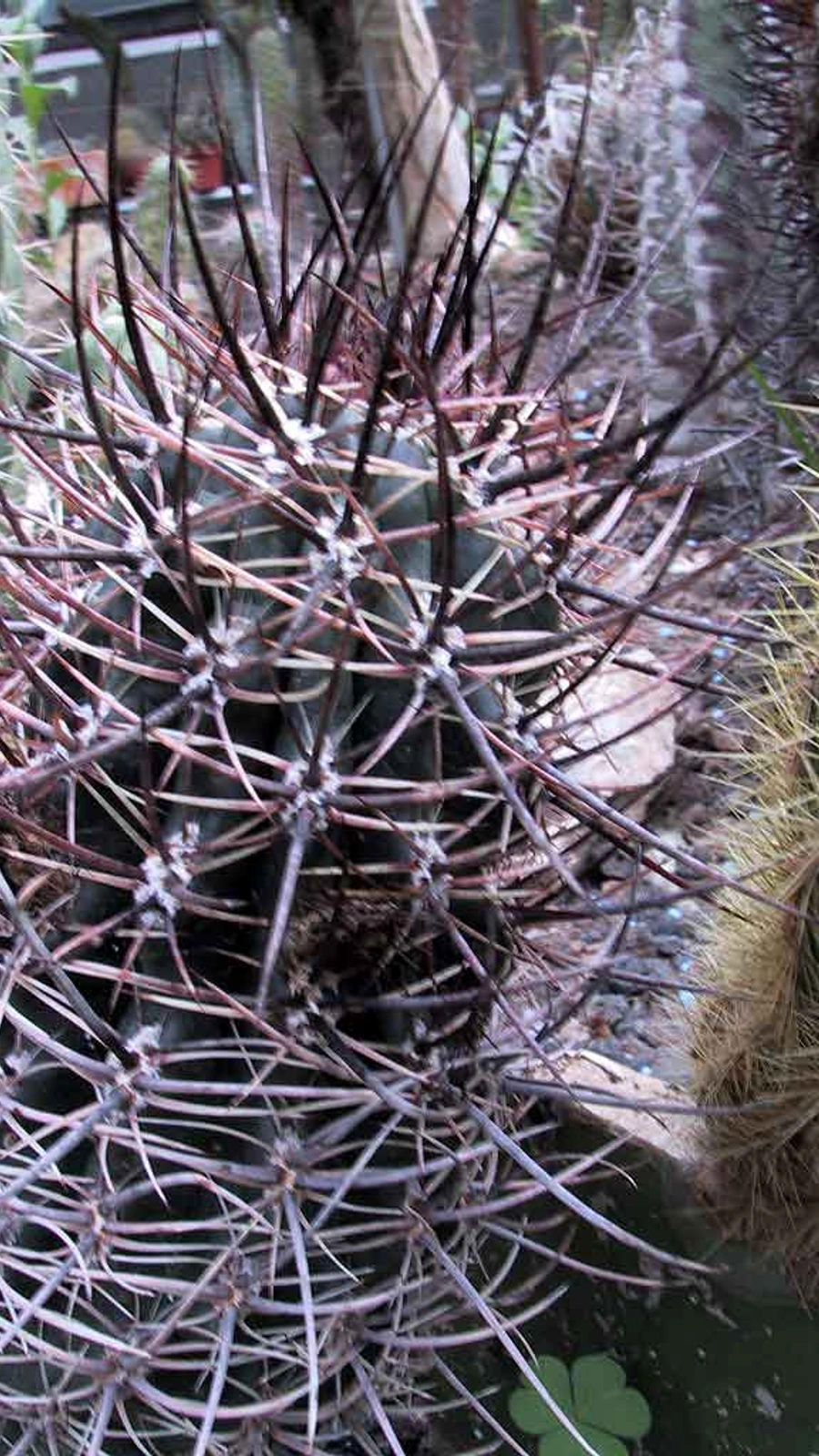 Reference image
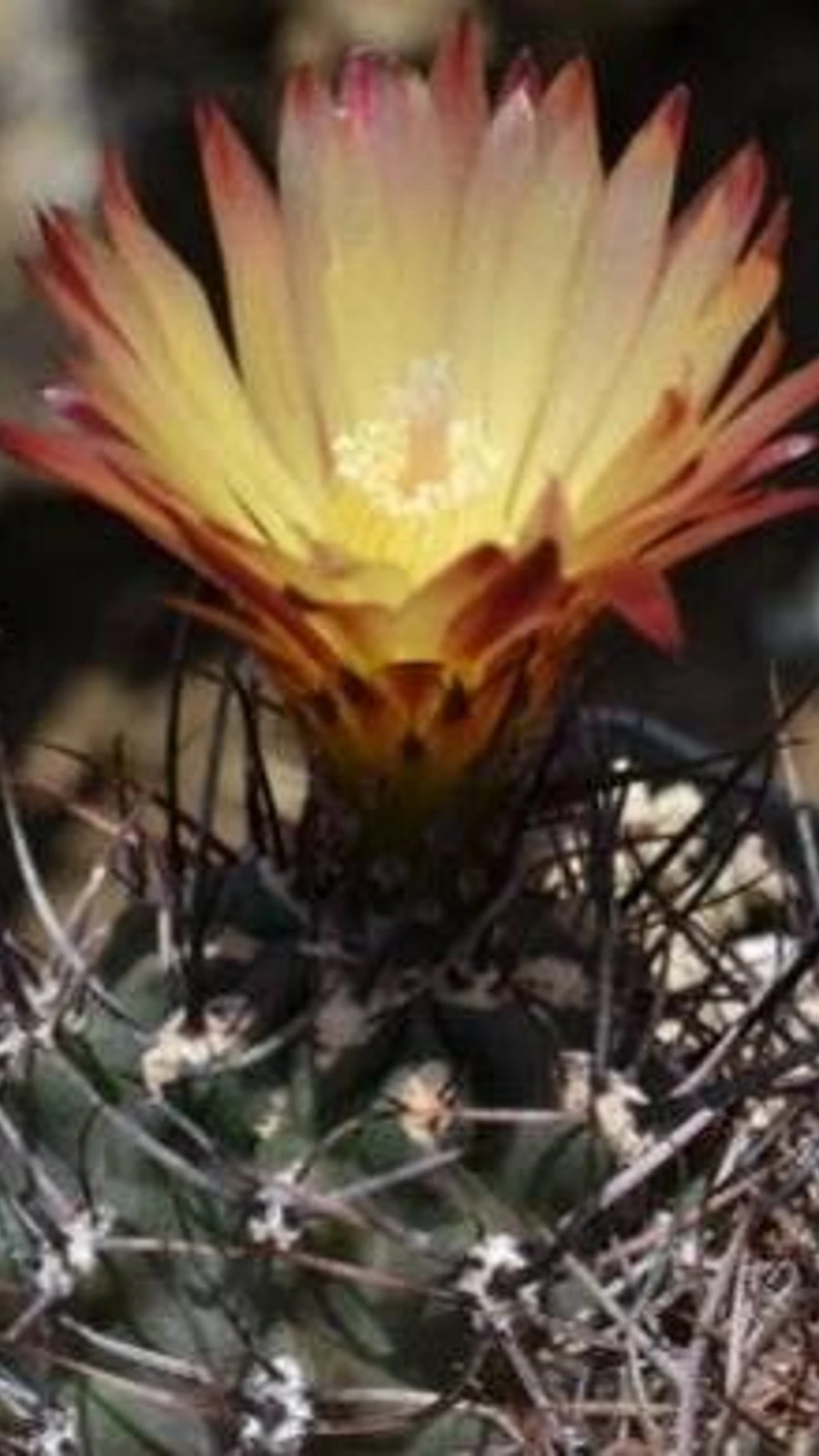 Reference image
Eriosyce andreaeana is a slow-growing, highly sought-after succulent subshrub in the family Cactaceae. Known for its compact habit and intricate, dark spination, this species is a prized gem among succulent collectors and represents a classic high-altitude desert dweller 1.
Named in honor of the German botanist Wilhelm Andreae, this species has historically been placed in genera like Pyrrhocactus and Neochilenia. However, modern molecular and morphological studies have firmly integrated it into the highly diverse genus Eriosyce 2.
This species is native to the arid Andean regions of western Argentina, spanning provinces like La Rioja and San Juan. It thrives in high-elevation desert shrublands, growing in extremely rocky, mineral-rich crevices and gravelly slopes where drainage is instantaneous 1.
The stem is solitary, globose to slightly flattened, transitioning to a short cylindrical shape with age. Its epidermis ranges from dark grayish-green to copper-bronze. It features distinct tuberculate ribs adorned with dense, curved, dark gray to blackish spines. The funnelform flowers arise from the apex, displaying pale yellow to cream-colored petals 2.
In cultivation, Eriosyce andreaeana demands maximum light levels and a purely mineral-based substrate. Watering should strictly follow a soak-and-dry regimen during the warm active growth season, and must be entirely suspended during winter dormancy when temperatures drop.
The most prevalent error is the use of rich, organic potting soil combined with overwatering, which quickly causes root rot. Placing the plant in stagnant air or humid, cold conditions during winter will also lead to fungal infections.
Prefers south-facing windows with at least 6 hours of direct sunlight.
Only water when the substrate is completely bone-dry throughout.
Use a strictly mineral cactus mix with coarse grit, pumice, and minimal peat.
Non-toxic to pets, but has sharp, curved spines that require careful handling.
Moderate; requires strict watering discipline and excellent ventilation.
Found in the dry, high-altitude rocky slopes of La Rioja and San Juan provinces in western Argentina, growing in coarse, gravelly soils.
