
Light
Direct Sun
Requires full, direct sun to maintain its beautiful dark color and form.
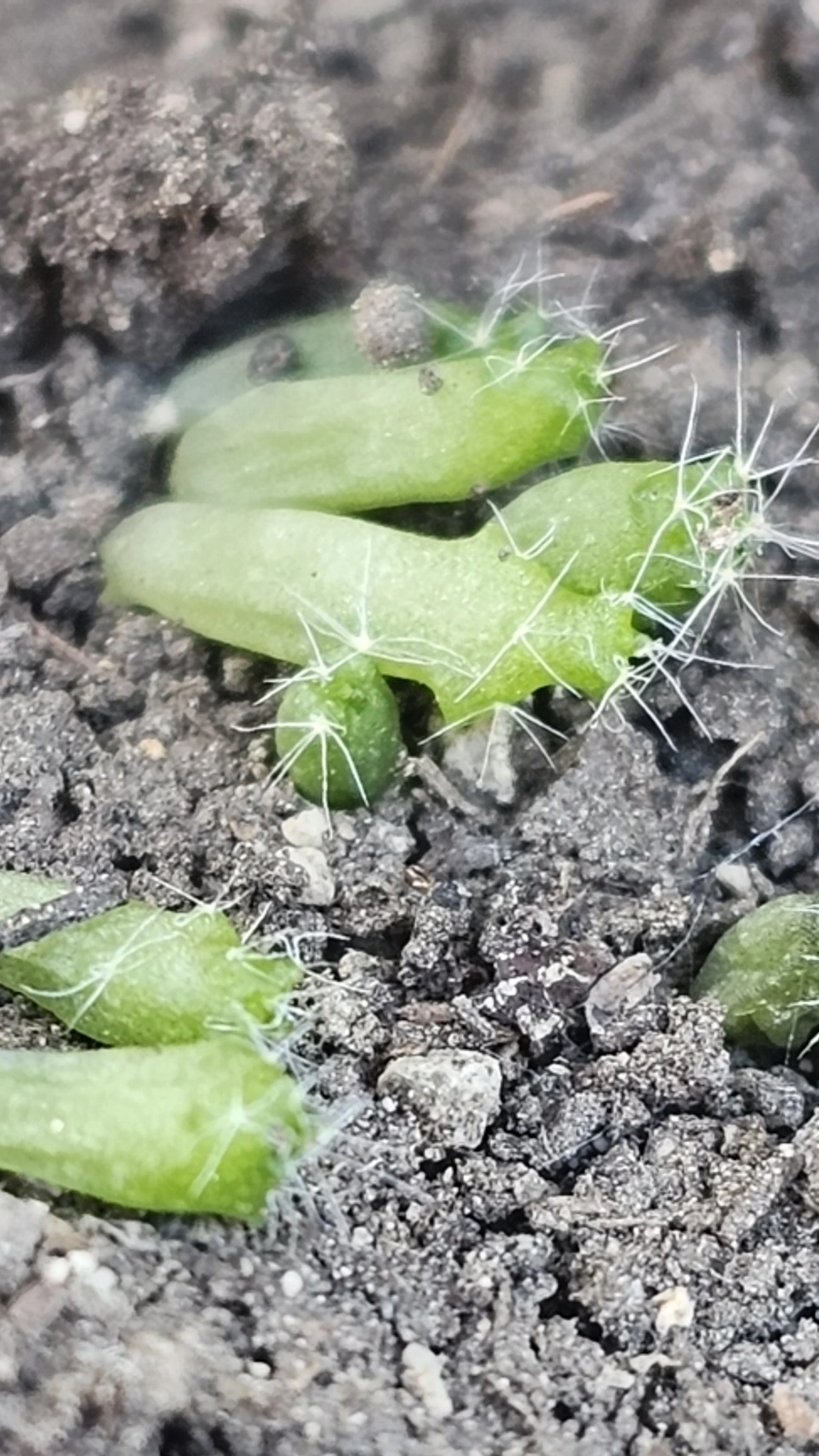 Reference image
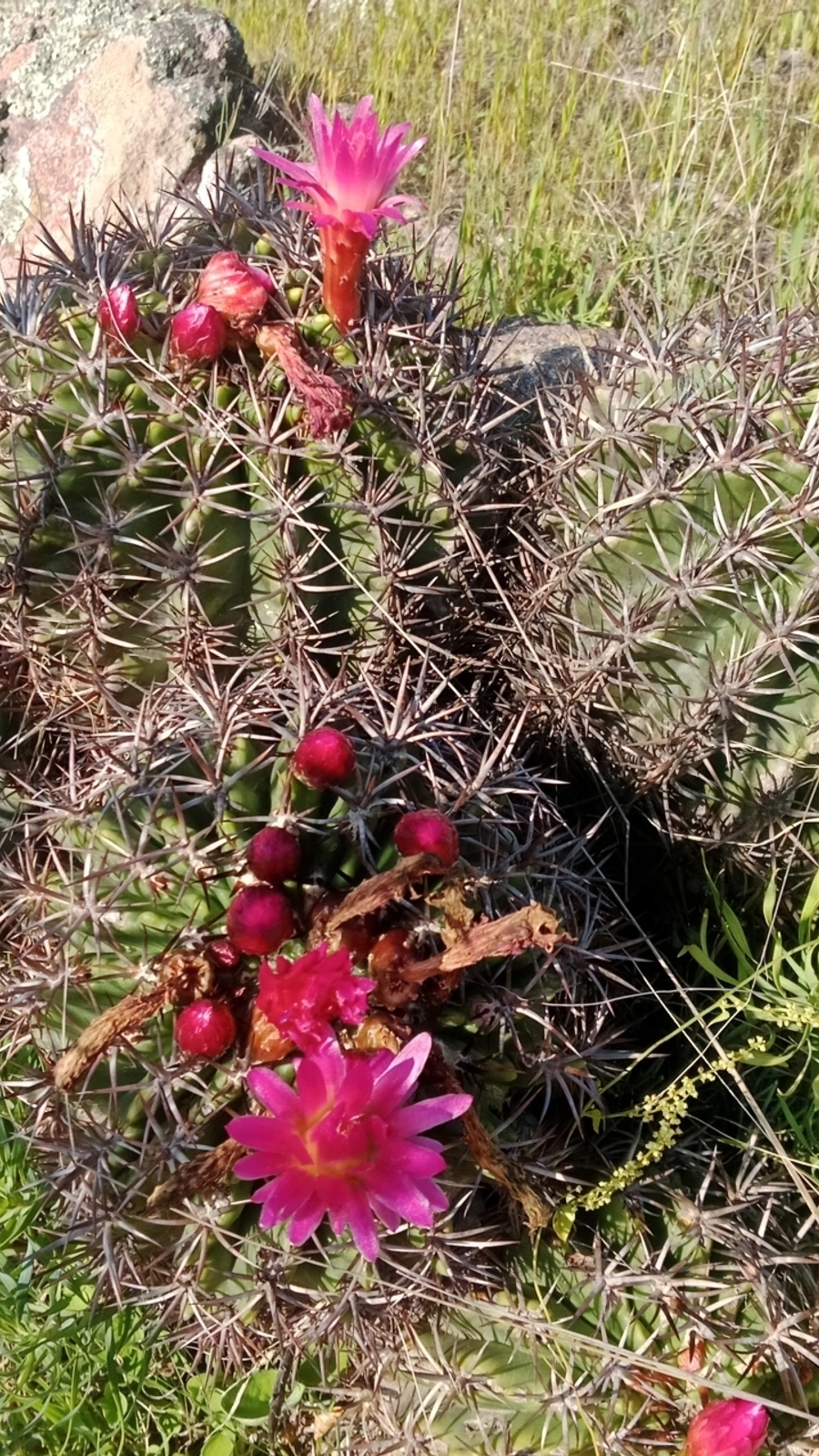 Reference image
Chestnut Cactus
Eriosyce castanea is an exquisite, slow-growing globular cactus native to the arid environments of Chile. Belonging to the succulent subshrub lifeform of the Cactaceae family, this species is highly valued among collectors for its distinctive deep brownish-copper epidermis and thick, resilient body structure 1.
The genus Eriosyce encompasses a diverse group of highly adapted South American cacti. The specific epithet 'castanea' translates to chestnut-colored, referencing the unique reddish-brown hue the stem assumes under intense sunlight. In historical botanical studies, it has been categorized under Pyrrhocactus or Horridocactus, but current taxonomic consensus places it firmly within Eriosyce 2.
This species is native to Chile, primarily found clinging to steep, rocky slopes and gravelly soils. It survives in hyper-arid coastal and mountain regions where rain is scarce, but moisture is frequently obtained from dense coastal fogs known locally as camanchaca 3.
Eriosyce castanea typically grows solitary, starting as a small globe and becoming slightly columnar with age. Its ribs are prominent, bearing dense areoles equipped with rigid, dark, curving spines. The funnel-shaped flowers emerge from the woolly crown of the plant, showcasing pale yellow, cream, or soft pinkish-bronze petals during the active growing season.
In cultivation, it requires a very gritty, porous soil mix with minimal organic matter. It demands strong, direct sunlight to maintain its compact shape, robust spination, and characteristic dark coloration. Watering should be done sparingly, allowing the substrate to dry completely between sessions. Winter care requires a strictly dry period at cool temperatures.
Using standard commercial potting soil that retains too much moisture and placing the plant in low-light environments are the most common causes of root rot and etiolation (elongation of the stem).
Requires full, direct sun to maintain its beautiful dark color and form.
Water only when the substrate is fully dry in summer; keep bone-dry in winter.
Strictly mineral-based substrate with high pumice and no peat.
Spines are sharp; non-toxic to pets but can cause physical injury.
Requires strict watering discipline, making it moderately difficult.
Originates from the arid coastal hills and mountainous rocky slopes of Chile, thriving in highly drained gravel and stone formations.
