
Light
Full Sun
Requires at least 6 hours of direct, unfiltered sunlight daily.
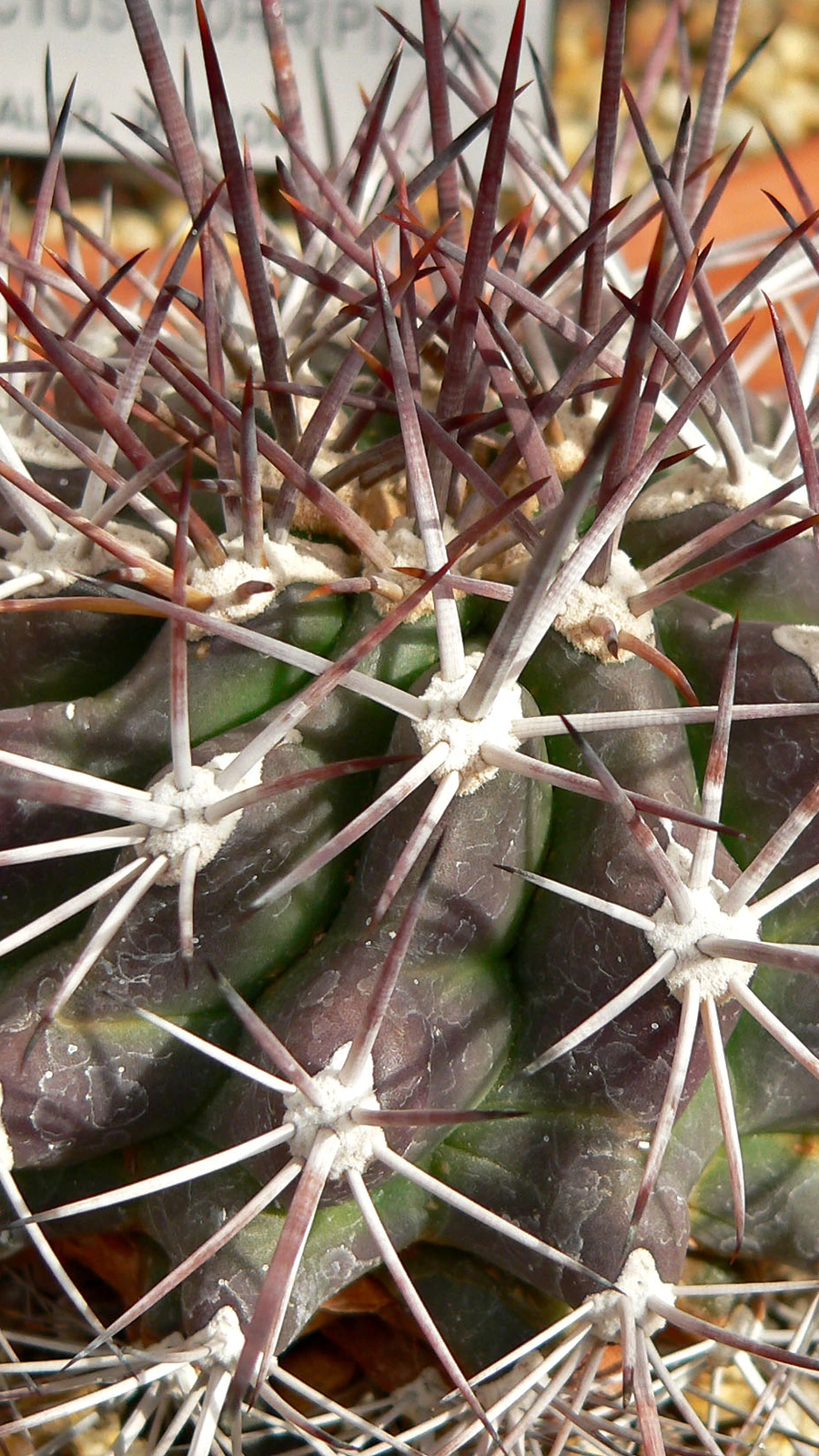 Reference image
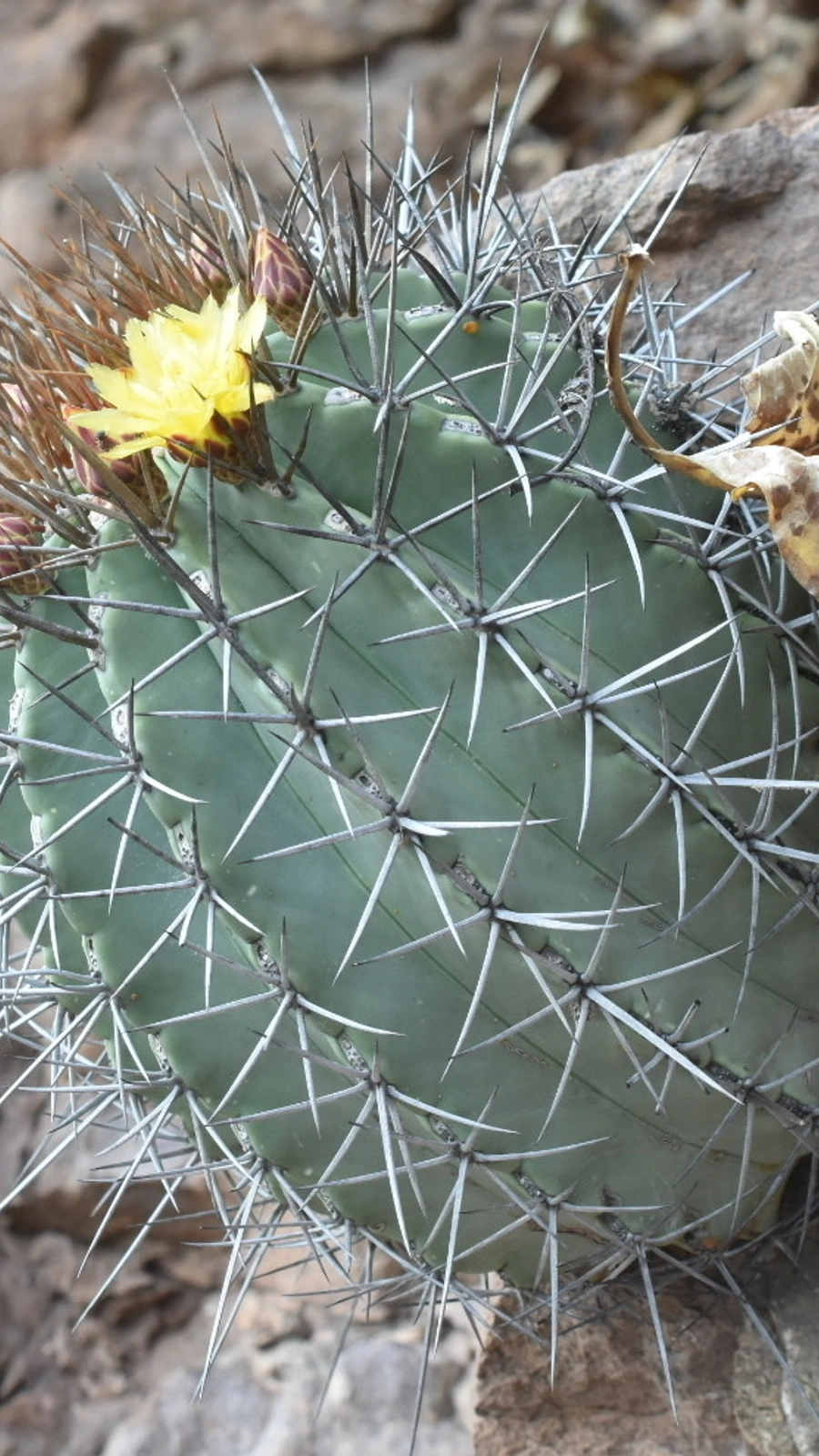 Reference image
Lindsay's Barrel Cactus
Ferocactus lindsayi is a rare, globose to cylindrical barrel cactus within the Cactaceae family. Characterized by its robust, solitary growth habit and formidable spination, this succulent subshrub is highly adapted to surviving in extremely dry and harsh desert environments.
Belonging to the genus Ferocactus, this species was named in honor of George Edmund Lindsay, a distinguished American botanist and expert on cacti. Taxonomically, it is distinguished from allied Ferocactus species by its specific rib count and spine architecture 1.
This species is endemic to southwestern Mexico, primarily found within the Balsas River basin in the states of Michoacán and Guerrero 2. It thrives on steep, rocky volcanic slopes and in dry deciduous shrublands under intense sunlight.
The stem is initially globose, gradually becoming cylindrical with age, reaching up to 60 cm in height and 40 cm in diameter. It possesses 13 to 18 prominent, sharp-edged ribs covered with large woolly areoles. Spines are stout, greyish-yellow to reddish-brown, with a single dominant central spine. Bell-shaped yellow flowers emerge from the crown during late spring to summer.
In cultivation, it demands maximum direct sunlight and a highly mineral, fast-draining substrate. Watering should strictly follow the 'soak and dry' method during the active growing season and must be withheld during the cold winter dormancy.
The most prevalent issue is root rot induced by overwatering or waterlogged soils. Insufficient light exposure will result in etiolation, causing the cactus to stretch unnaturally and lose its compact shape.
Requires at least 6 hours of direct, unfiltered sunlight daily.
Allow the substrate to dry completely between waterings. Water sparingly in winter.
Extremely porous mineral substrate with high pumice or gravel content is crucial.
Possesses very sharp, stiff spines. Handle with thick protective gloves.
Moderate care; highly resilient if kept dry and exposed to sufficient sunlight.
Native to the low-lying arid regions of the Balsas River valley in southern Mexico. It is specifically adapted to dry, sun-baked slopes and rocky outcroppings where water drains away instantly.
