
Scientific taxonomy article
Taxonomy record for Ferocactus.
Ferocactus
Taxonomy record for Ferocactus.
Taxonomy record for Ferocactus.
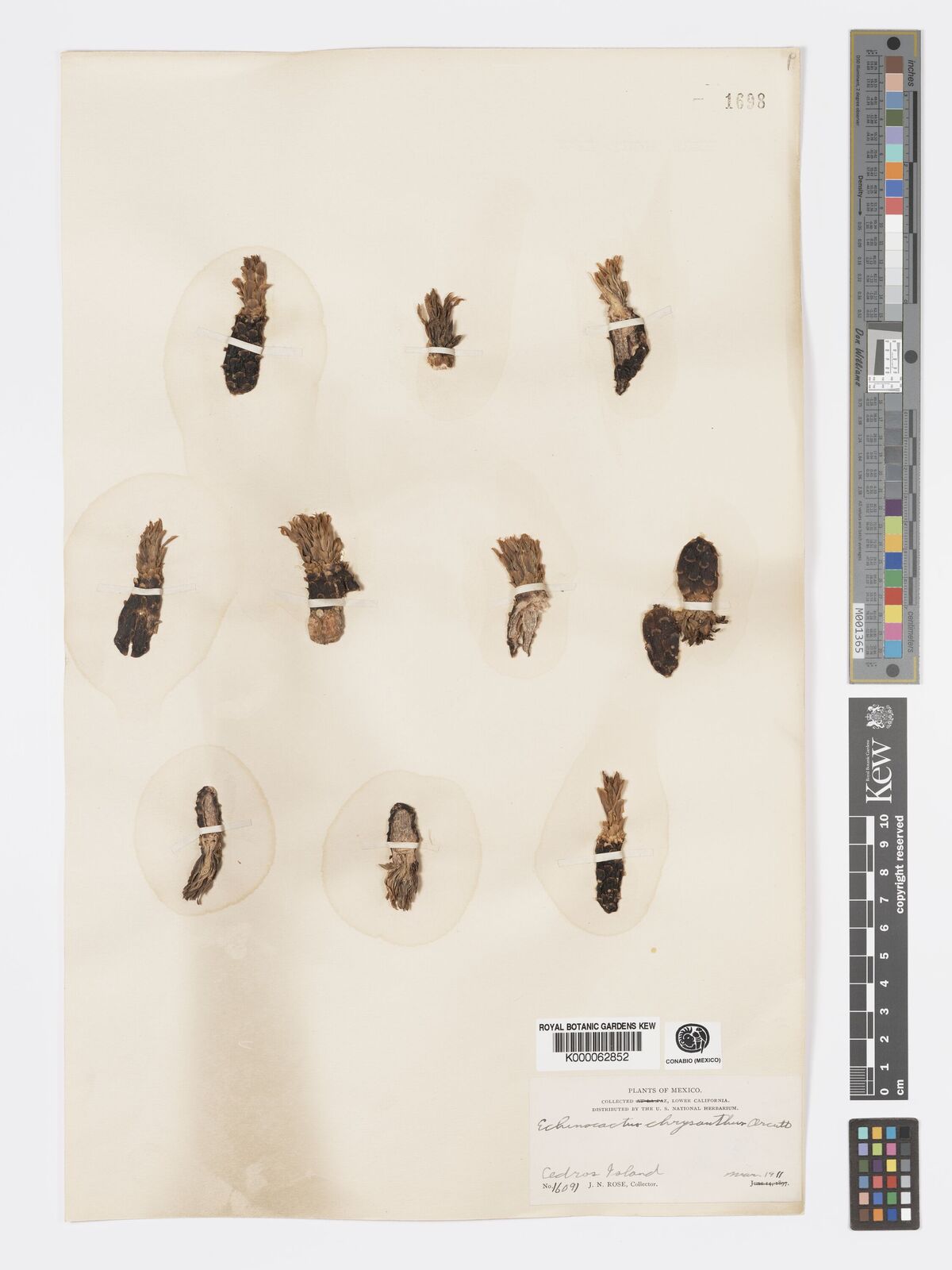
Ferocactus chrysacanthus
Overview\nFerocactus chrysacanthus is a slow growing, highly ornamental globose to cylindrical cactus belonging to the family Cactaceae. Famed for its dense, golden yellow armor of heavy spines, it is a highly sought after species among succulent and cacti enthusiasts .\n\n Classification and Nomenclature\nThe species was classified under the genus Ferocactus, which comprises the robust barrel cacti of North America. The specific epithet 'chrysacanthus' derives from the Ancient Greek words 'chrysos' (gold) and 'akantha' (spine), directly referencing its brilliant yellow spination .\n\n Natural Distribution and Habitat\nThis cactus is endemic to Mexico, specifically restricted to Cedros Island and the San Benito Islands off the west coast of Baja California. It thrives on steep, rocky coastal cliffs and windswept desert slopes, highly adapted to maritime fogs and arid conditions .\n\n Appearance\nTypically solitary, it begins as a globose stem and matures into a cylindrical body reaching up to 1 meter in height. It features around 21 prominent ribs covered in dense clusters of rigid, ringed, and slightly curved central spines that range from pale yellow to deep golden red. The funnel shaped flowers appear at the crown in summer, bearing yellow to orange hues .\n\n Cultivation and Care\nIn cultivation, it requires full sun exposure and an exceptionally porous mineral substrate to prevent water retention. Water thoroughly only when the growing medium is completely dry, and suspend watering almost entirely during the winter dormancy. It exhibits moderate frost tolerance if kept absolutely dry .\n\n Common Cultivation Errors\nOverwatering and poor soil drainage are the primary causes of root rot. Lack of sufficient direct sunlight leads to etiolation, loss of its compact shape, and duller, weaker spine development.\n\n References\n Plants of the World Online (POWO), Royal Botanic Gardens, Kew. \n IUCN Red List of Threatened Species, Ferocactus chrysacanthus Conservation Status.

Ferocactus diguetii
Ferocactus diguetii is one of the most spectacular and massive species within the Cactaceae family. Known for its towering barrel like form, it represents a remarkable evolutionary adaptation to island desert environments .

Ferocactus echidne
Ferocactus echidne, commonly known as the Sonora barrel cactus, is a robust, globose to cylindrical cactus species belonging to the Cactaceae family. Highly appreciated for its fierce golden spines and resilience, this species is a classic representative of the dry land flora of North America .
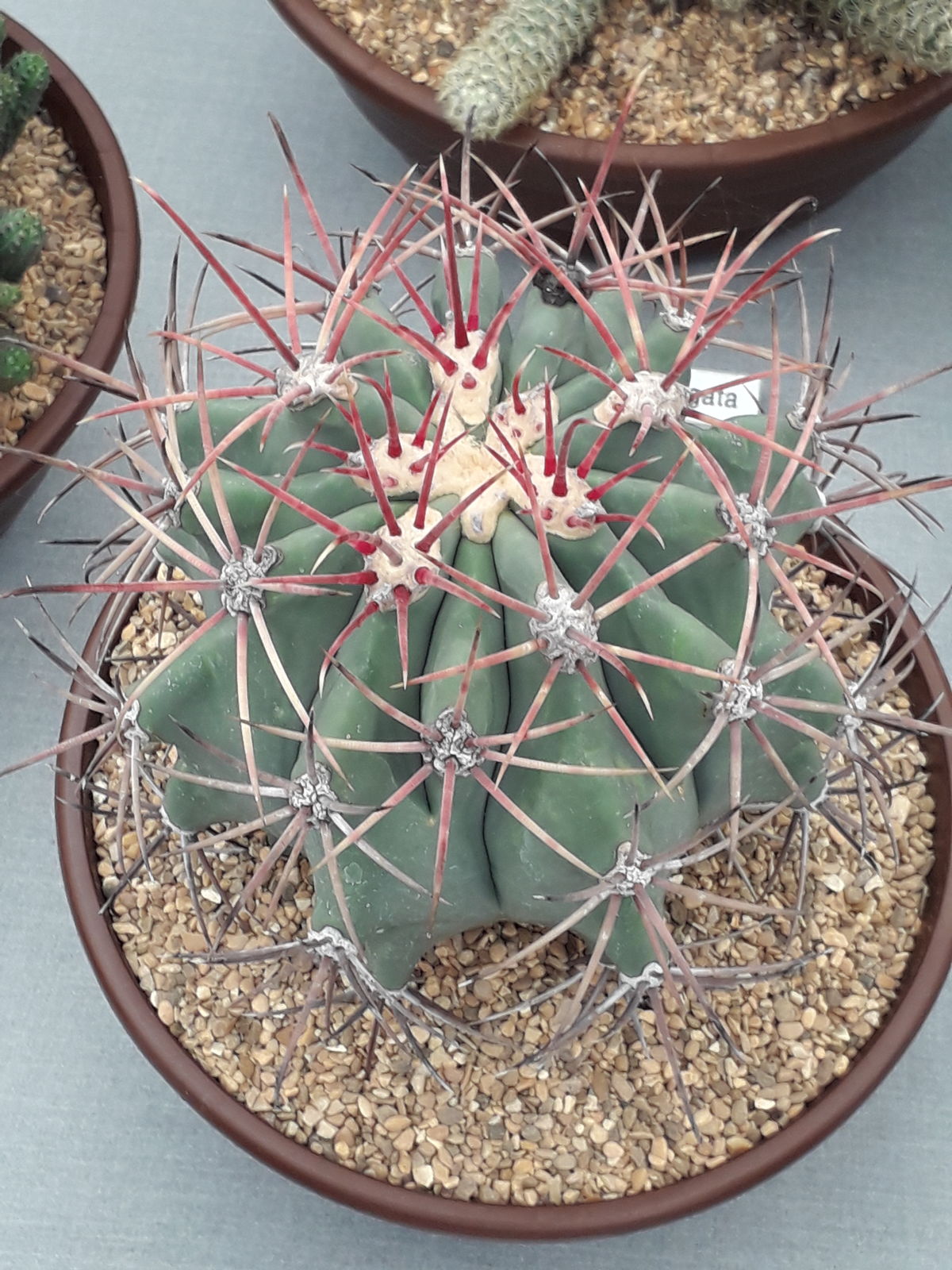
Ferocactus emoryi
Ferocactus emoryi, commonly known as Emory's barrel cactus, is an iconic, heavily spined member of the Cactaceae family . Adapted beautifully to harsh desert conditions, this slow growing succulent shrub is highly prized for its structural shape and longevity.

Ferocactus flavovirens
Ferocactus flavovirens is a clumping, succulent subshrub belonging to the family Cactaceae. Unlike many other solitary barrel cacti, this species is highly social, forming dense, multi headed mounds over time.
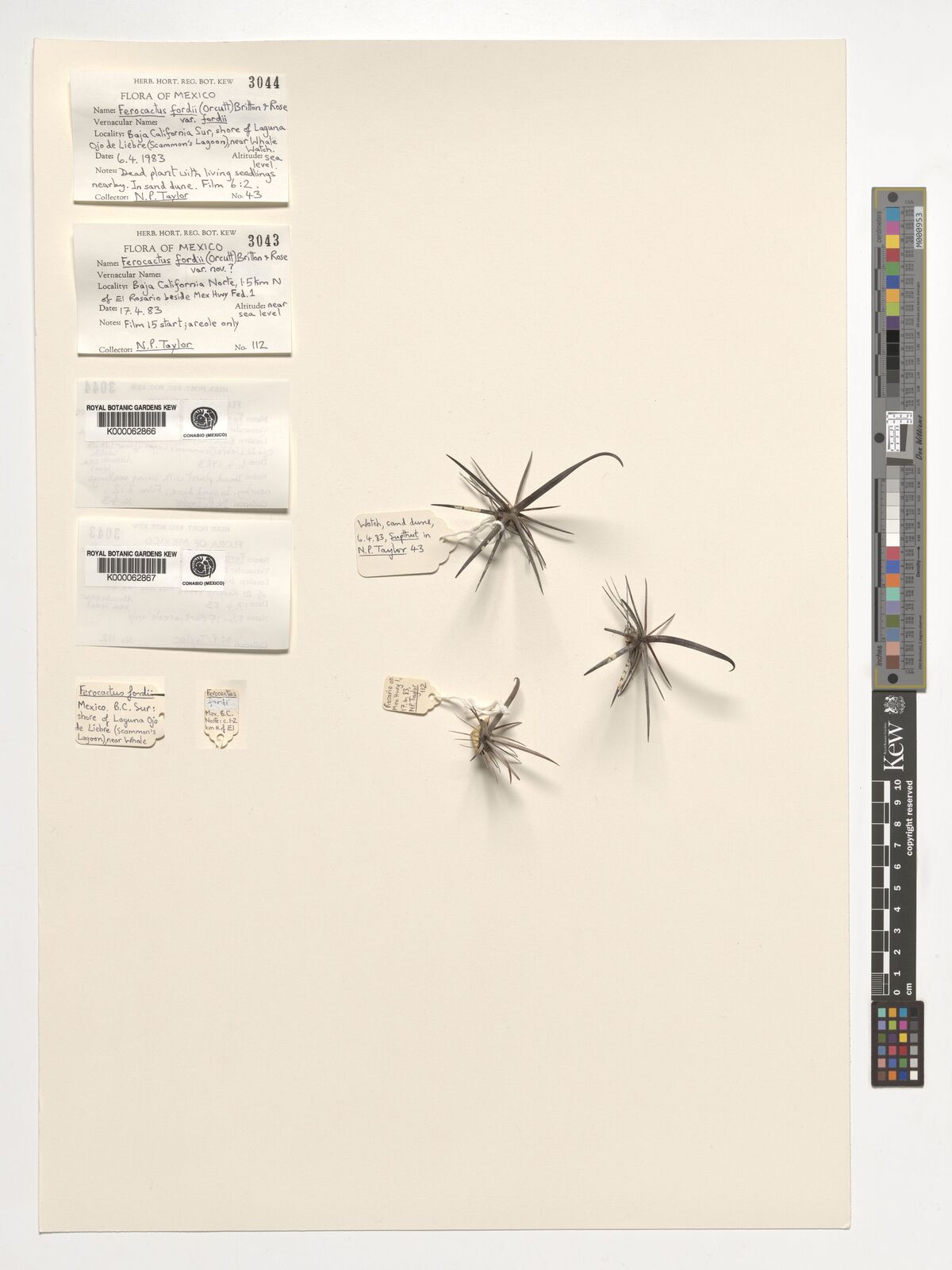
Ferocactus fordii
Ferocactus fordii is a distinctive, slow growing globose cactus within the Cactaceae family, highly prized by succulent enthusiasts for its stout, curved central spines and beautiful magenta blooms . It is well suited for xeriscaping and container cultivation.

Ferocactus glaucescens
Ferocactus glaucescens, commonly known as the Blue Barrel Cactus, is a highly sought after succulent subshrub famed for its glaucous blue green stem and contrasting bright yellow spines . It offers an iconic architectural shape ideal for xeriscaping.
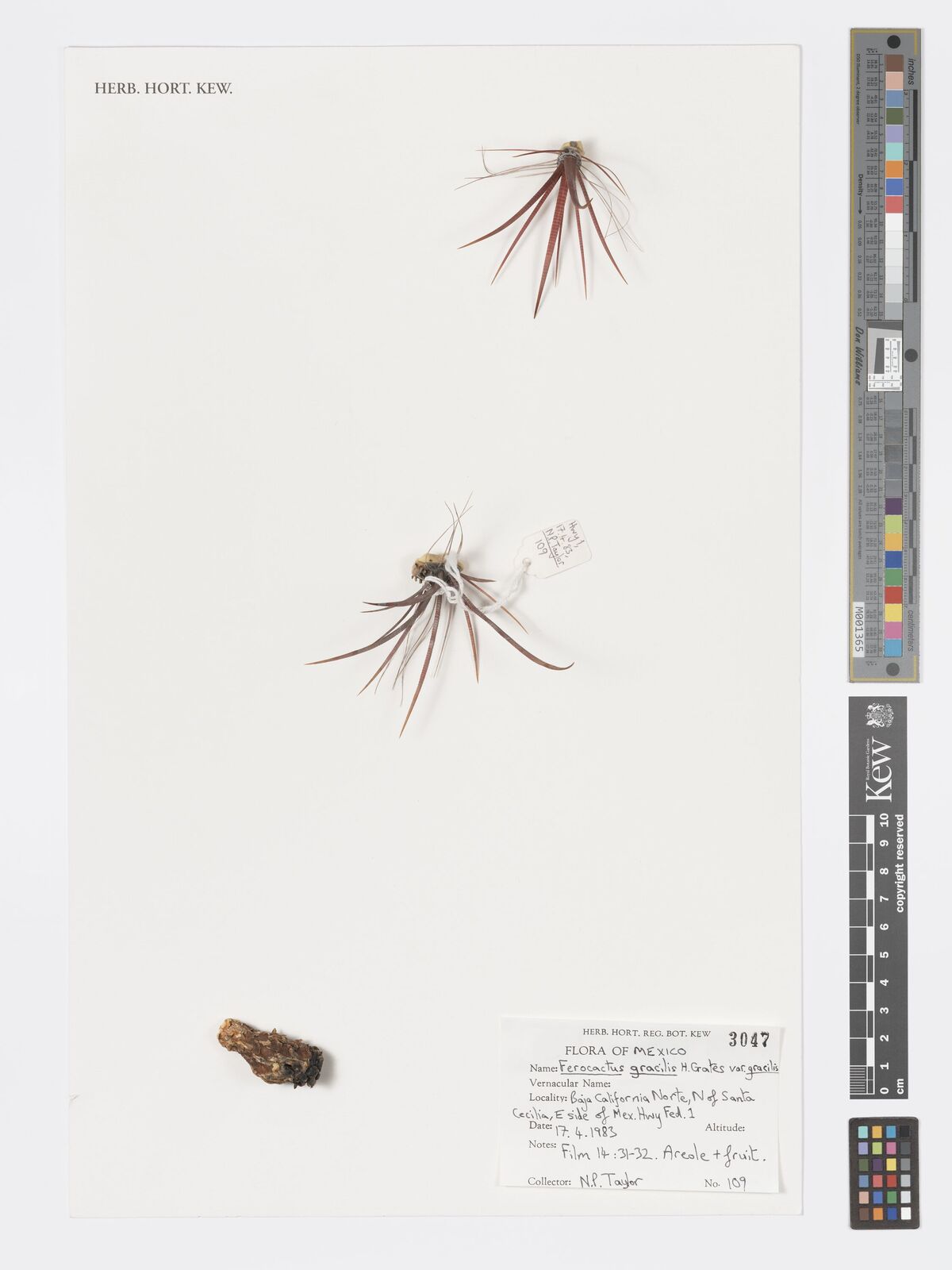
Ferocactus gracilis
Ferocactus gracilis , commonly known as the Fire Barrel Cactus, is an iconic, column forming succulent in the Cactaceae family. Famous for its fiercely beautiful red spines and robust nature, it is a highly sought after specimen for desert landscaping and container collections.

Ferocactus haematacanthus
Ferocactus haematacanthus is a striking and highly sought after cactus species in the family Cactaceae. Known for its globose to columnar growth habit, it is particularly famous among succulent collectors for its vibrant, deep blood red spines that densely coat the stem, providing an extraordinary contrast against its dark green epidermis .
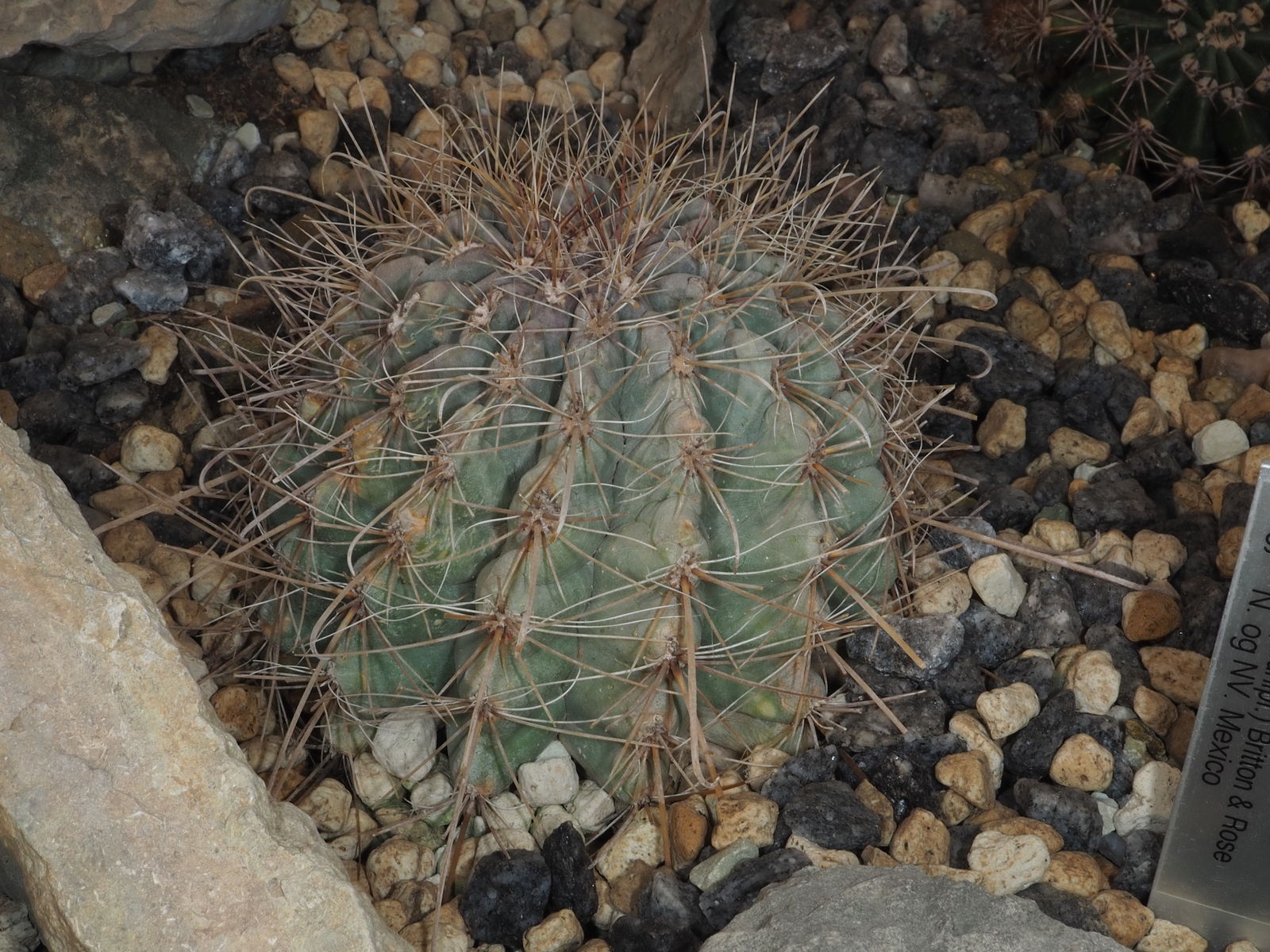
Ferocactus hamatacanthus
Ferocactus hamatacanthus , commonly known as the Turk's Head Cactus or Texas Hookedcactus, is a robust species within the Cactaceae family. Widely appreciated for its fearsome hooked spines and massive, fragrant yellow blossoms, it is a quintessential desert dwelling succulent.
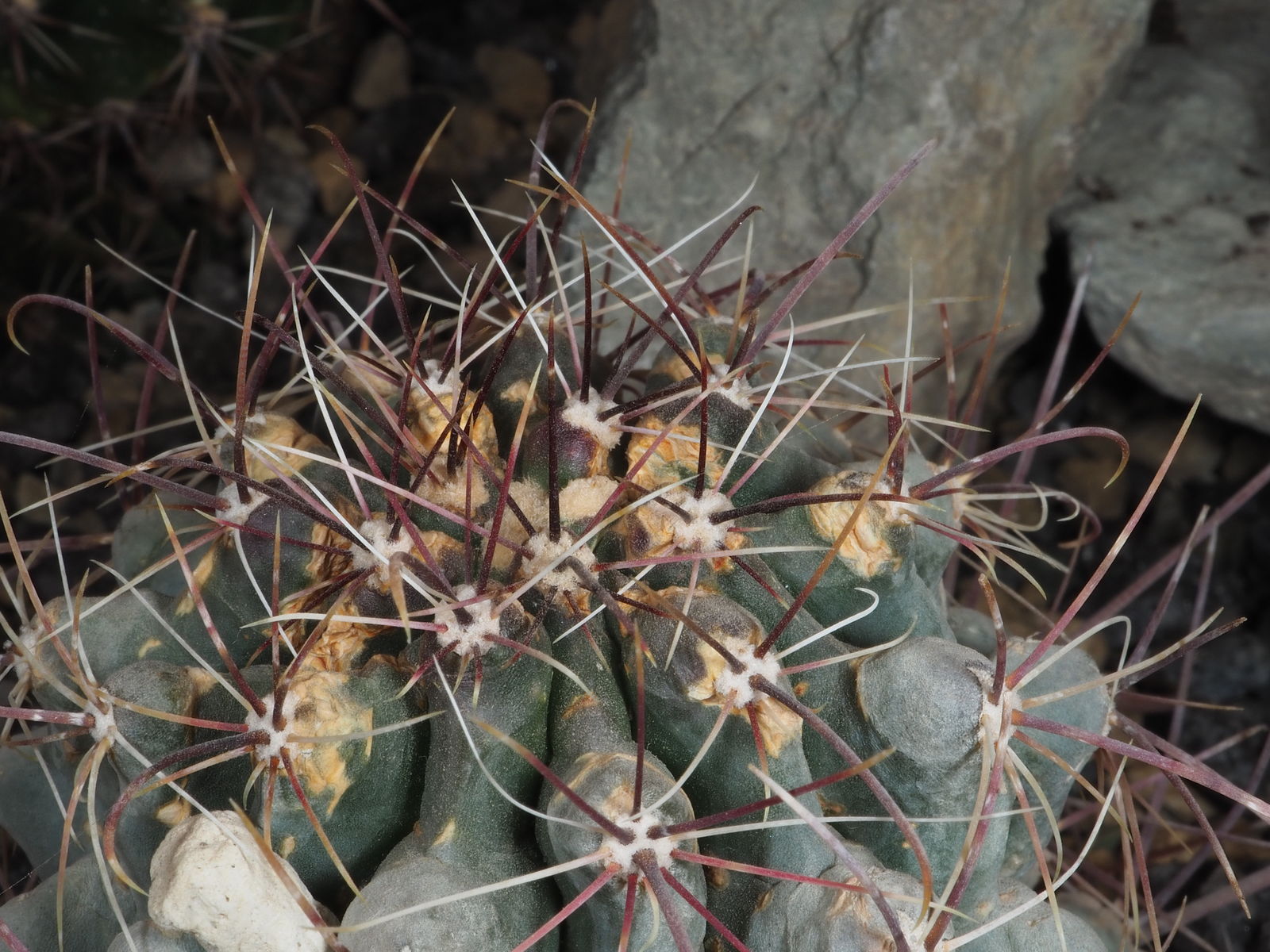
Ferocactus herrerae
Ferocactus herrerae, commonly known as Herrera's Barrel Cactus, is a massive, solitary barrel cactus belonging to the Cactaceae family. Celebrated for its formidable spination and imposing stature, this succulent subshrub is highly prized in xeriscaping and professional succulent collections globally .
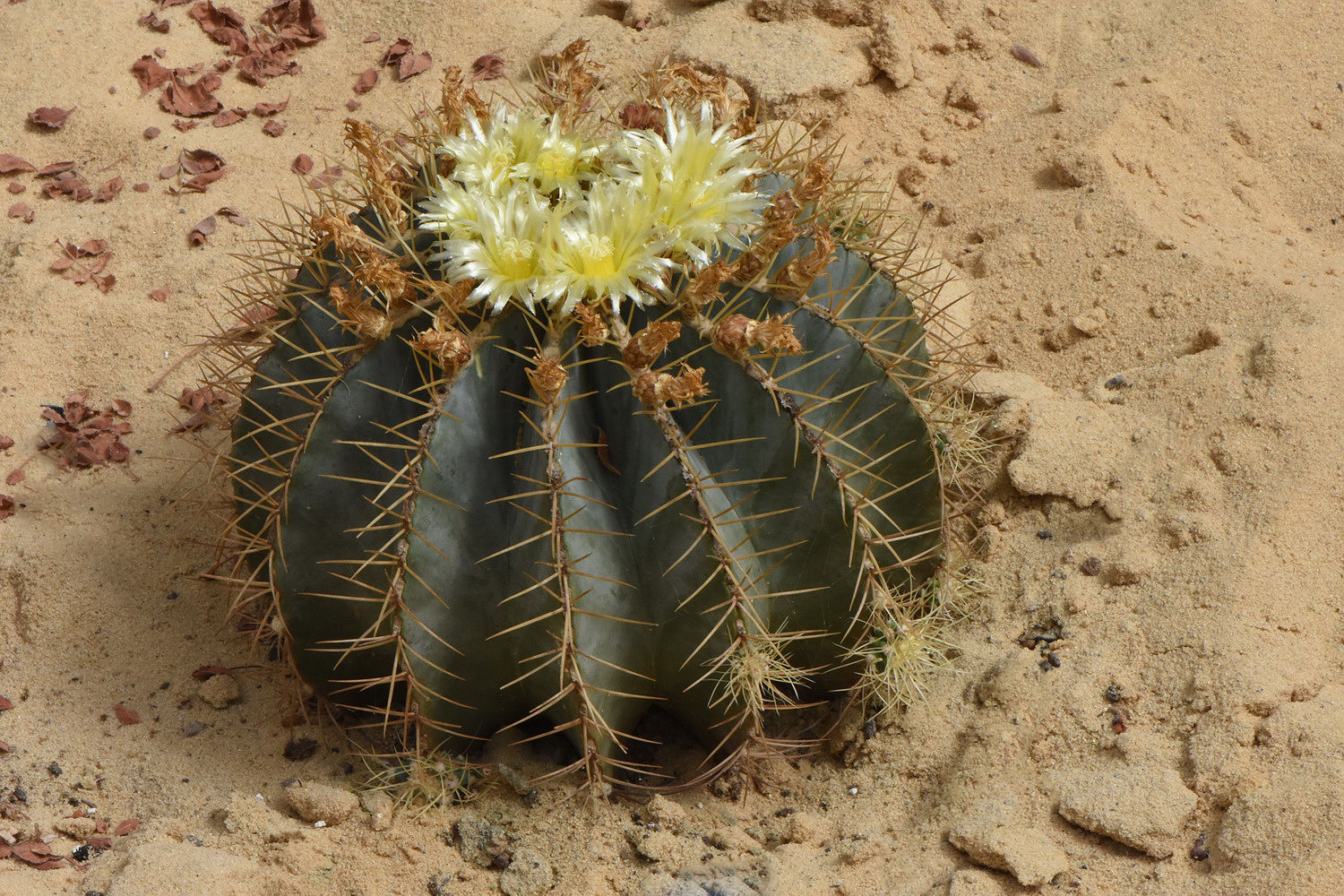
Ferocactus histrix
Ferocactus histrix is a robust, globose to cylindrical cactus belonging to the family Cactaceae, distinguished by its heavily ribbed stem and sharp, rigid spines . Commonly known as the Mexican Barrel Cactus, it is a classic representative of desert succulents.
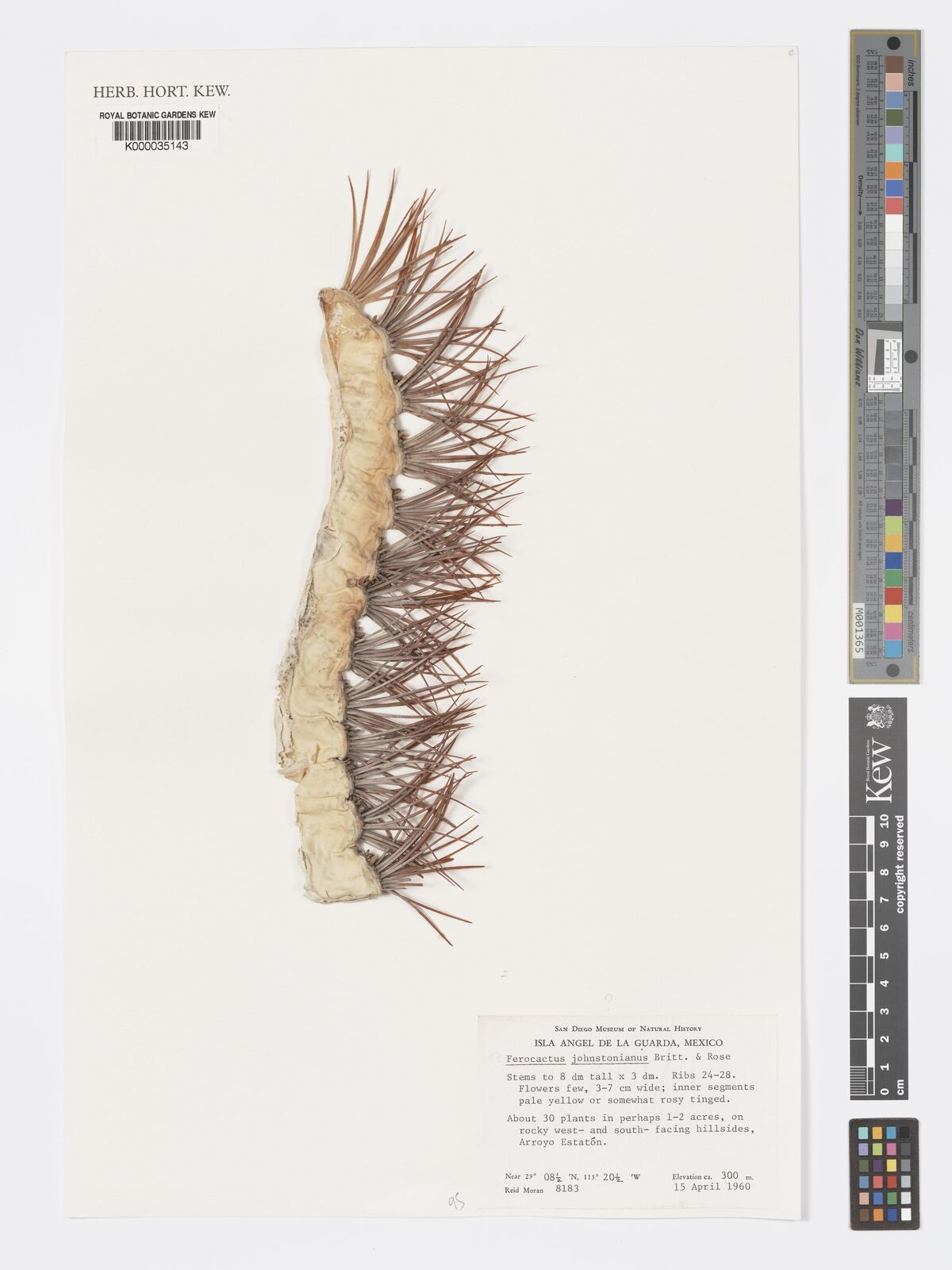
Ferocactus johnstonianus
Ferocactus johnstonianus, commonly known as Johnston's Barrel Cactus, is a rare and striking succulent species belonging to the Cactaceae family. Renowned for its prominent cylindrical growth habit and bright golden yellow spines, it is highly valued among collectors for its architectural beauty and extreme drought tolerance.
Ferocactus latispinus
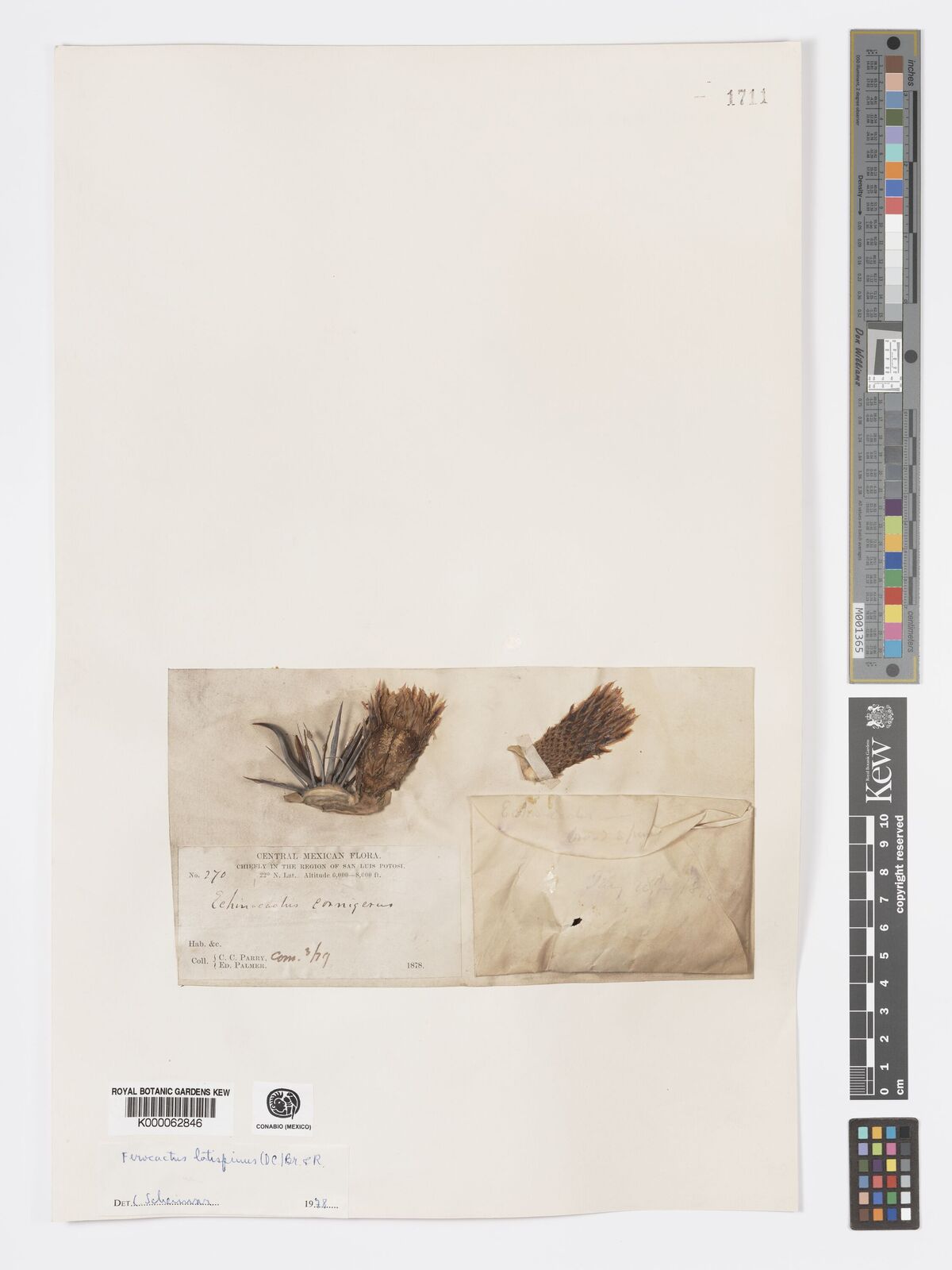
Ferocactus latispinus , commonly known as the "Candy Barrel Cactus" or "Devil's Tongue Barrel Cactus," is a striking species of barrel cactus native to Mexico, belonging to the Cactaceae family. Young plants typically exhibit a spherical shape, gradually developing into a barrel like form as they mature, reaching up to 30 cm in height and 40 cm in diameter. It is characterized by its prominent, deep ribs adorned with long, flattened, and often reddish central spines that are notably hooked. These curved spines contribute to the plant's distinctive, somewhat fierce appearance, earning it the "Devil's Tongue" moniker .

Ferocactus lindsayi
Ferocactus lindsayi is a rare, globose to cylindrical barrel cactus within the Cactaceae family. Characterized by its robust, solitary growth habit and formidable spination, this succulent subshrub is highly adapted to surviving in extremely dry and harsh desert environments.
Ferocactus macrodiscus
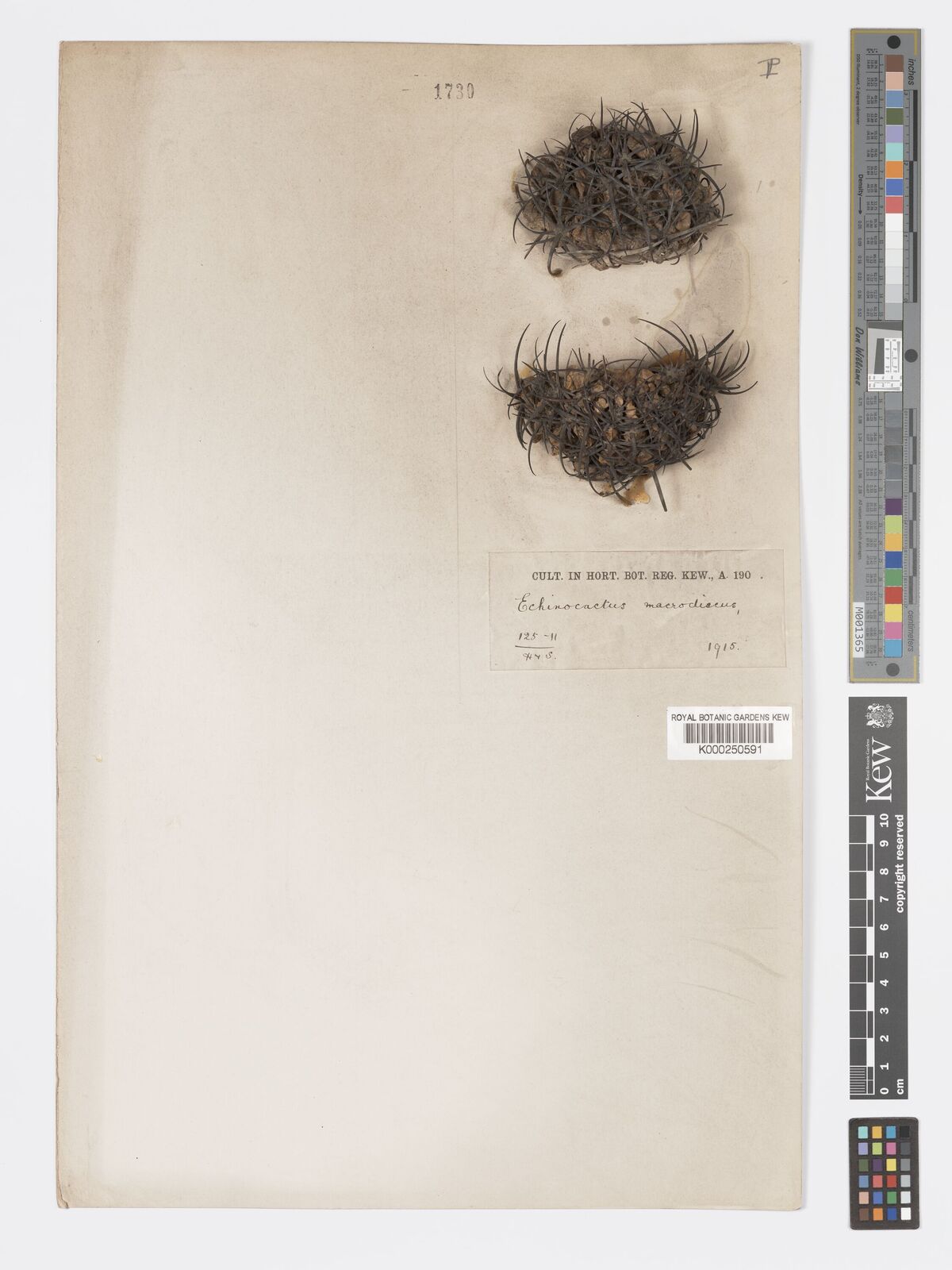
Ferocactus macrodiscus , commonly known as the Candy Cactus, is an attractive, flattened globose cactus species belonging to the family Cactaceae .

Ferocactus peninsulae
Ferocactus peninsulae is a slow growing, highly ornamental barrel cactus famous for its dramatic, hook shaped spines and vibrant summer flowers . It is highly appreciated by succulent enthusiasts for its structural symmetry and hardy nature in desert landscaping.
Ferocactus pilosus
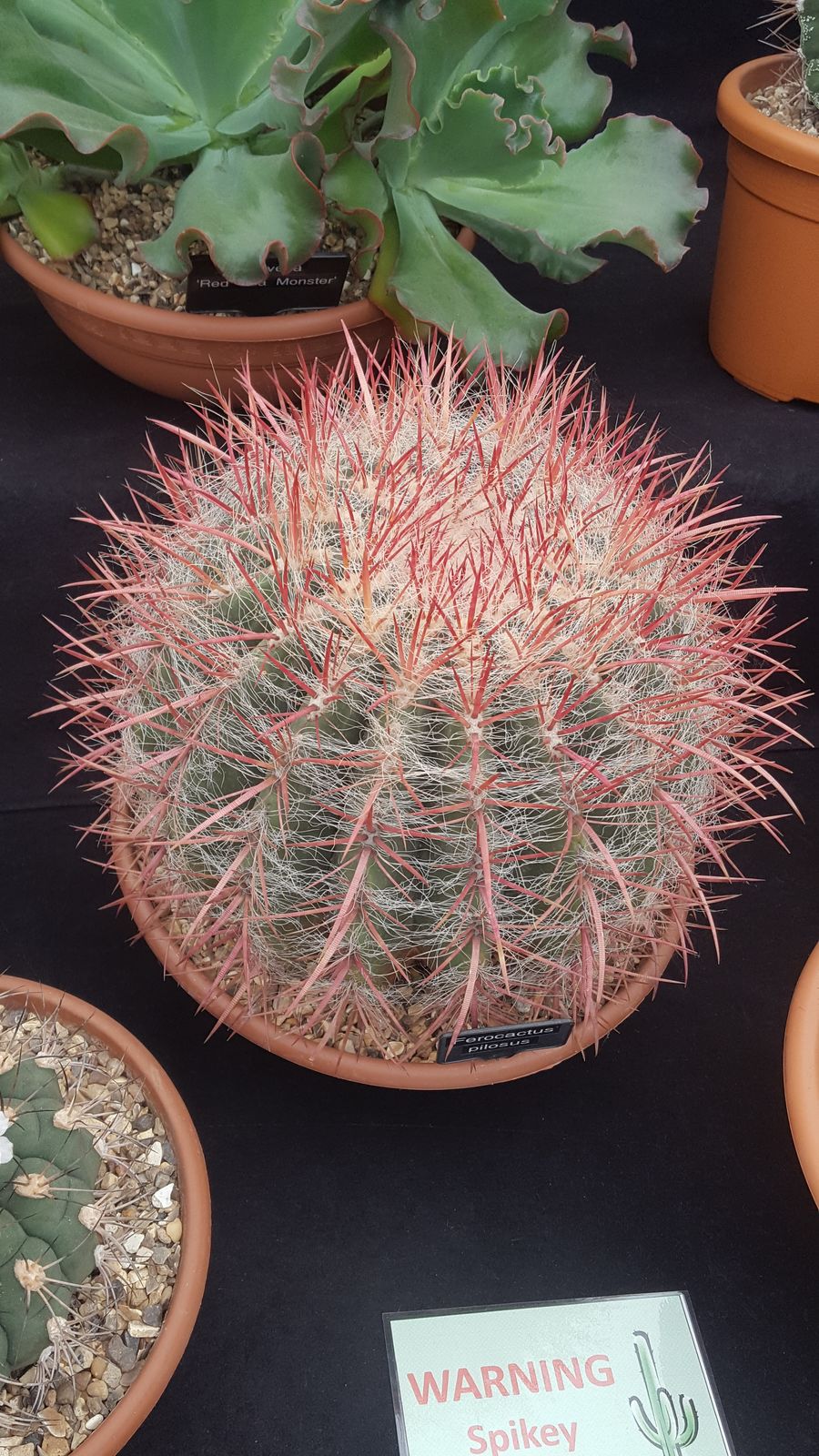
Ferocactus pilosus, commonly known as the Mexican Fire Barrel or Lime Cactus, is a striking, heavily ribbed columnar cactus. It is famous for its bright red spines and thin white radial hairs.
Ferocactus pottsii
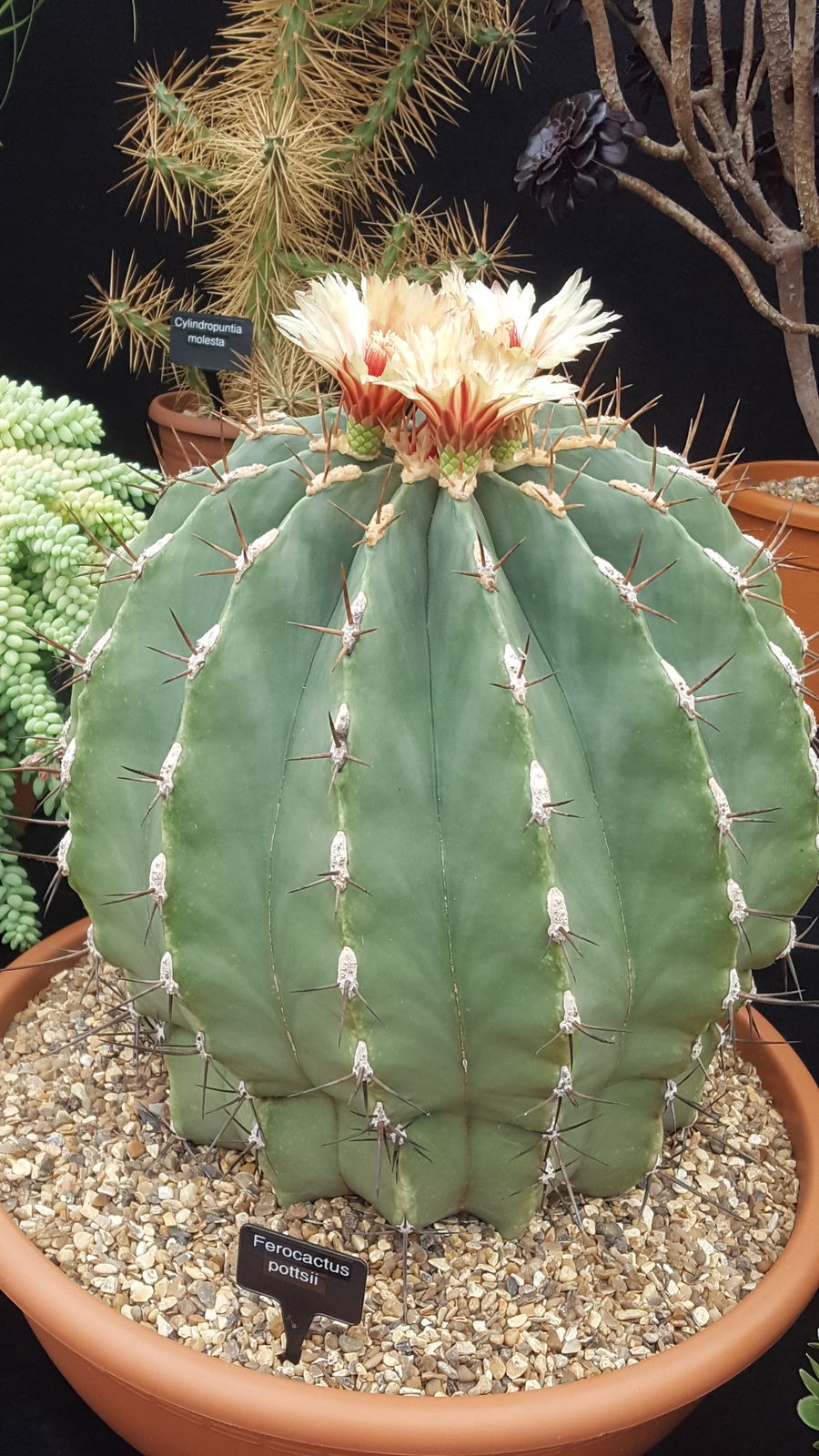
Ferocactus pottsii is a robust, heavily spined cactus species belonging to the Cactaceae family. Known for its distinct ribbed glaucous stem, it is a classic representative of the North American desert flora .
Ferocactus robustus
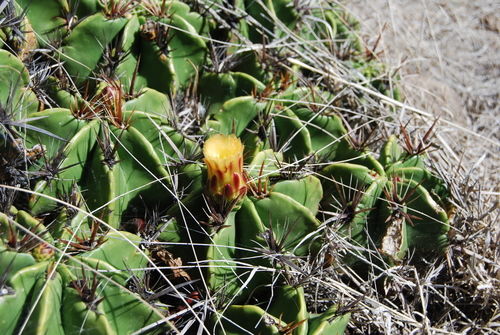
Ferocactus robustus is one of the most remarkable clumping species within the family Cactaceae. Commonly known as the Robust Barrel Cactus, it is celebrated for its unique ability to form massive, multi headed mounds .

Ferocactus santa-maria
Ferocactus santa maria is a striking, slow growing barrel cactus adapted to extreme desert environments. It is highly valued among collectors for its robust columnar growth and architectural spine structure .

Ferocactus schwarzii
Ferocactus schwarzii is a slow growing, highly ornamental barrel cactus belonging to the family Cactaceae. Solitary in nature, this species starts as a globose plant and gradually becomes cylindrical with age. It is distinguished from other barrel cacti by its relatively few, short, and deciduous spines as it matures .

Ferocactus tiburonensis
Ferocactus tiburonensis is a highly resilient, barrel shaped succulent subshrub belonging to the family Cactaceae. Endemic to Tiburon Island, this cactus is brilliantly adapted to extreme desert heat, saline coastal winds, and prolonged periods of drought.
Ferocactus townsendianus
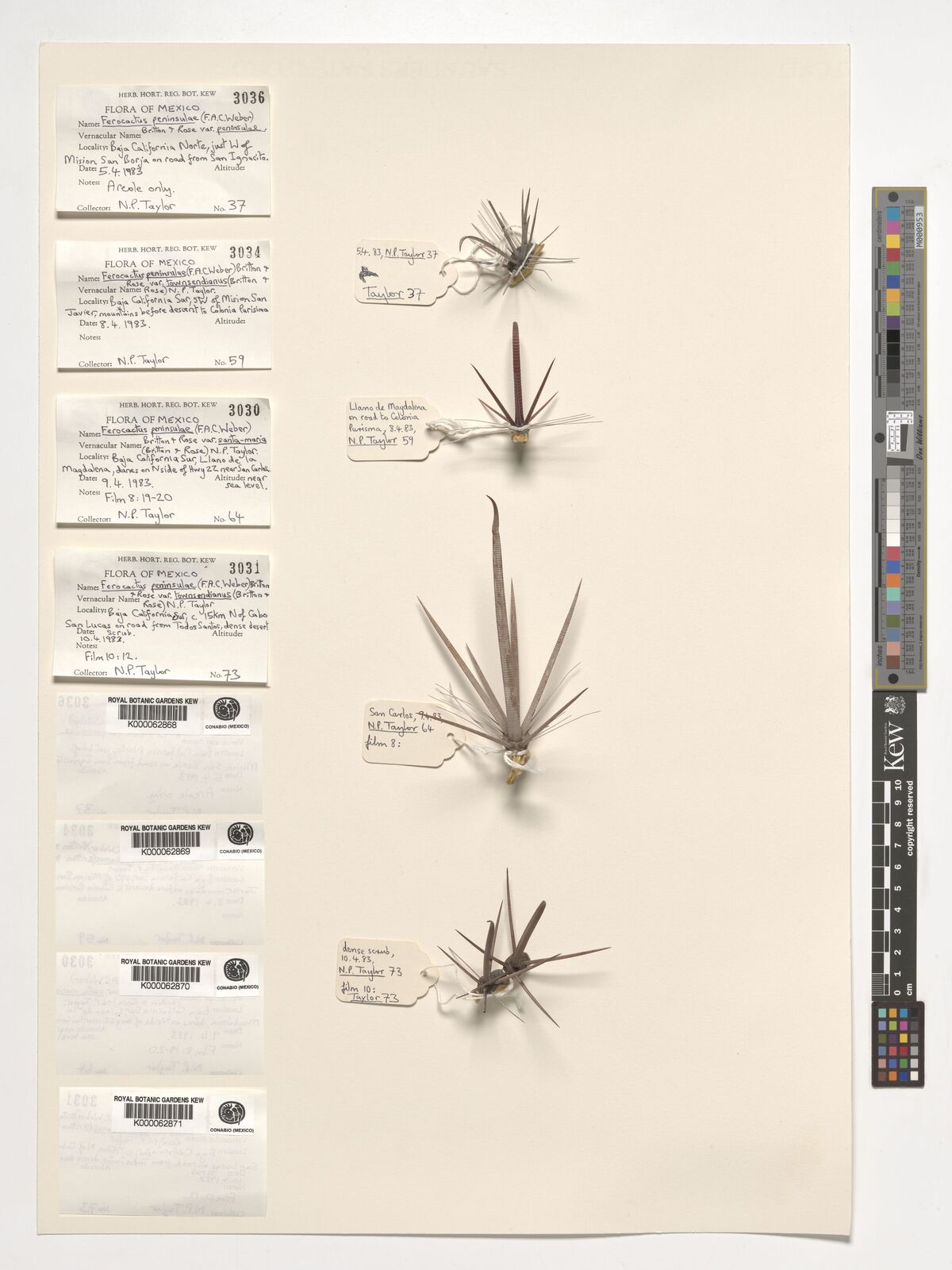
Ferocactus townsendianus is a distinctive and highly ornamental member of the Cactaceae family. Characterized by its solitary stem, stout spine structure, and prominent ribs, this succulent subshrub is highly adapted to extreme arid conditions . It is widely favored in succulent collections for its geometric symmetry and colorful, fierce spination.
