
Light
Direct Sun
Demands full direct sun, preferring south-facing windows or bright outdoor positions.
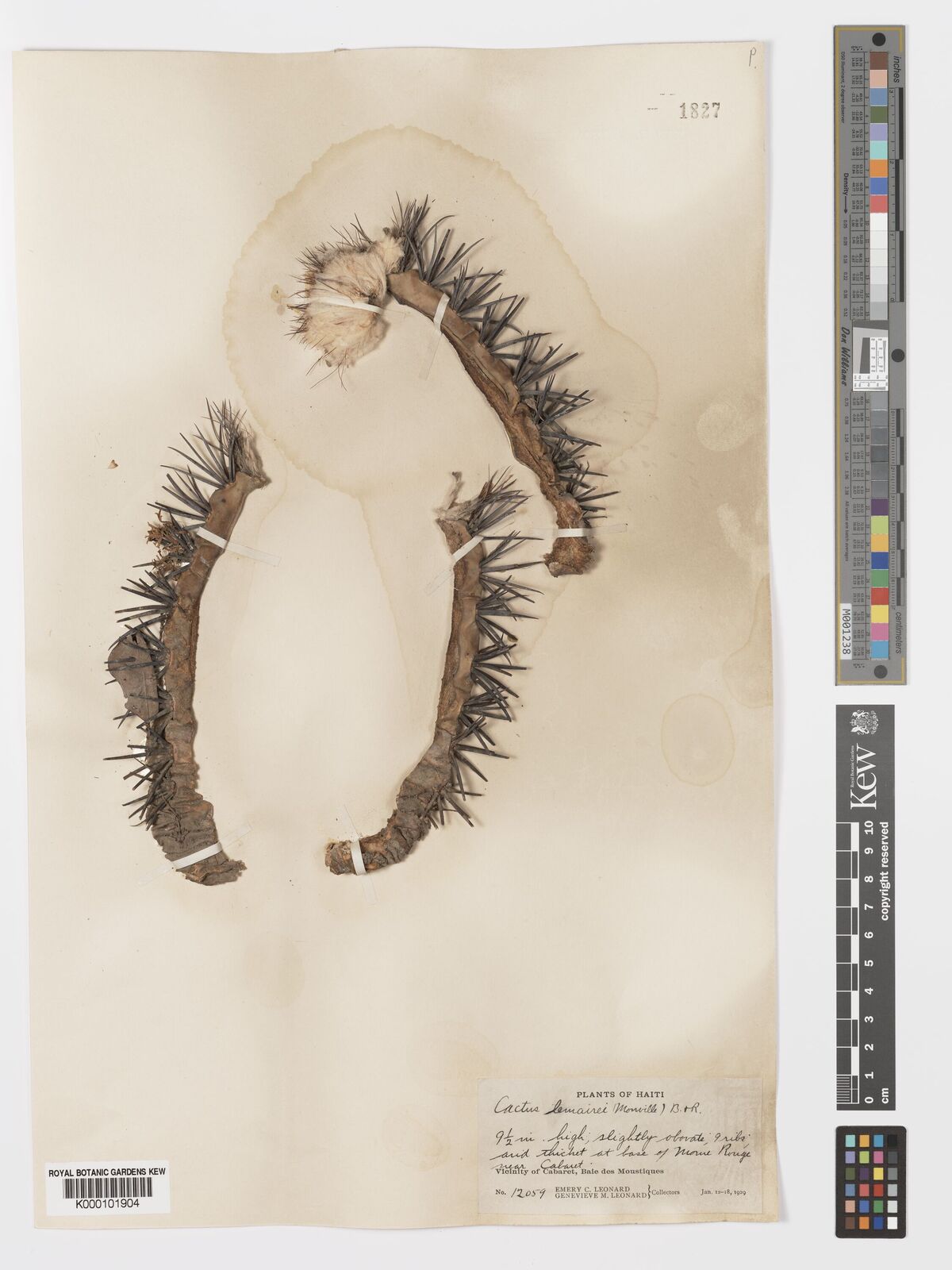 Reference image
Lemaire's Melon Cactus
Melocactus lemarii is a highly specialized, tropical cactus species within the family Cactaceae, famously characterized by the woolly, bristly "cephalium" that crowns mature specimens 1.
The species was named in honor of the distinguished French botanist and cactus specialist Charles Antoine Lemaire. Members of the genus Melocactus are unique for stopping stem growth once they reach maturity, directing all energy into developing the reproductive cephalium 2.
This species is endemic to the island of Hispaniola (shared by Haiti and the Dominican Republic) in the Caribbean. It thrives on limestone cliffs, rocky coastal terraces, and low-elevation seasonally dry tropical scrublands 1.
It features a globose to short-cylindrical, dark green stem divided into prominent, rib-like sections armed with stout, greyish-brown spines. Upon reaching maturity (typically after 10-15 years), the vegetative apex ceases growth and produces a dense, cylindrical cephalium of reddish-pink bristles and white wool. Tiny pink flowers and subsequent elongated pink fruits emerge from this crown.
Unlike true desert cacti, Melocactus species require consistent warmth and cannot tolerate frost, demanding minimum temperatures above 10°C 2. They prefer a highly mineral, sharply draining substrate, high light levels, and moderate but regular watering during the hot summer months, coupled with excellent ventilation.
Overwatering during winter dormancy or exposing the plant to drafts below 10°C are the primary causes of swift root rot and mortality. Furthermore, transplanting mature specimens often damages their fragile root system, which rarely recovers.
Demands full direct sun, preferring south-facing windows or bright outdoor positions.
Allow substrate to dry completely between waterings; suspend watering in cold weather.
Requires an extremely porous substrate rich in pumice, coarse sand, and grit.
Non-toxic to pets but possesses very sharp spines that present a physical hazard.
High difficulty due to extreme sensitivity to cold, root rot, and transplant shock.
Inhabits the arid coastal limestone cliffs and dry, sun-baked rocky shrublands of the Hispaniola island under constant tropical maritime conditions.
