
Light
Bright Indirect Light
Bright indirect light or filtered sunlight is best to prevent sunburn on the delicate tubercles.
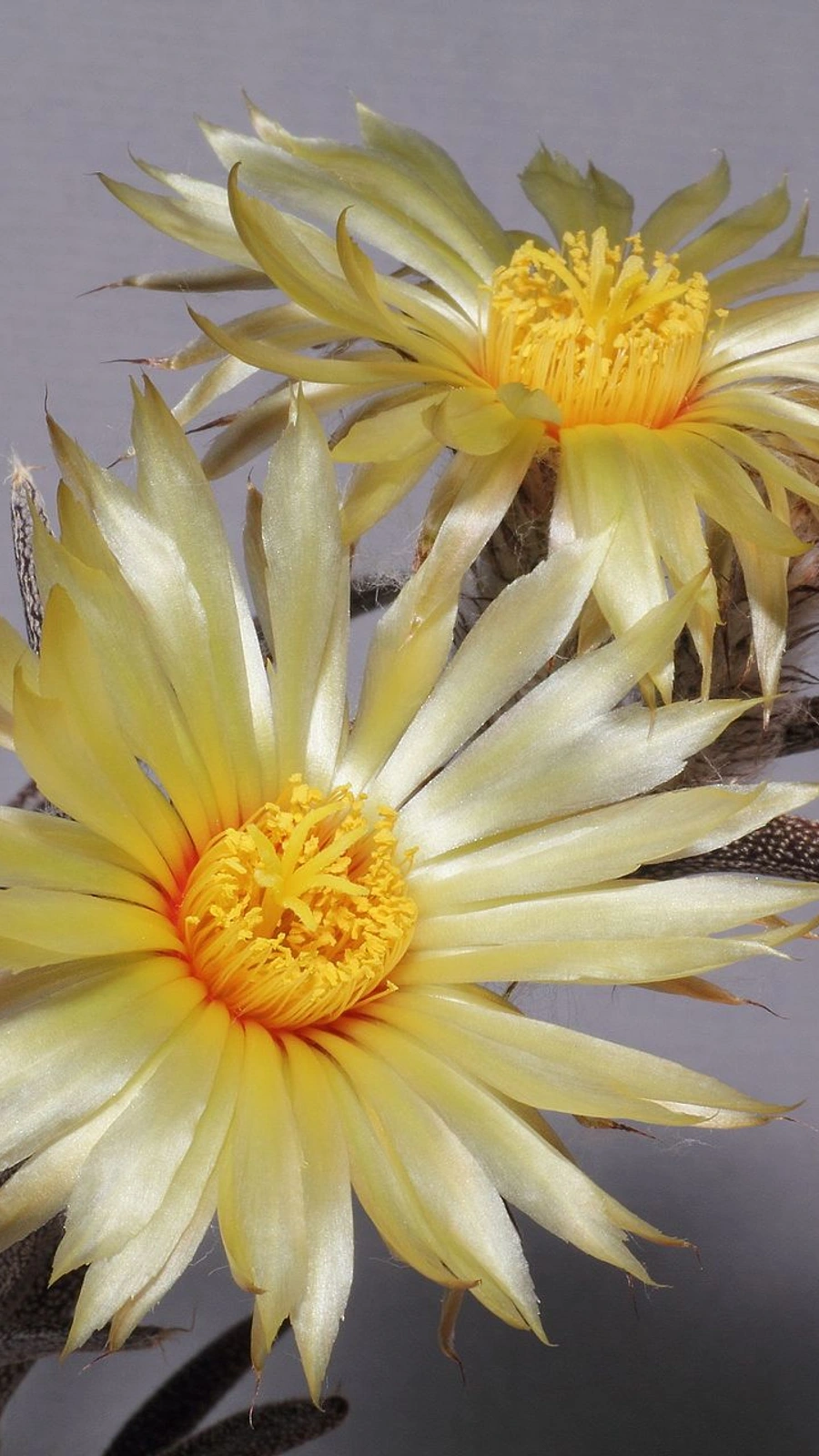
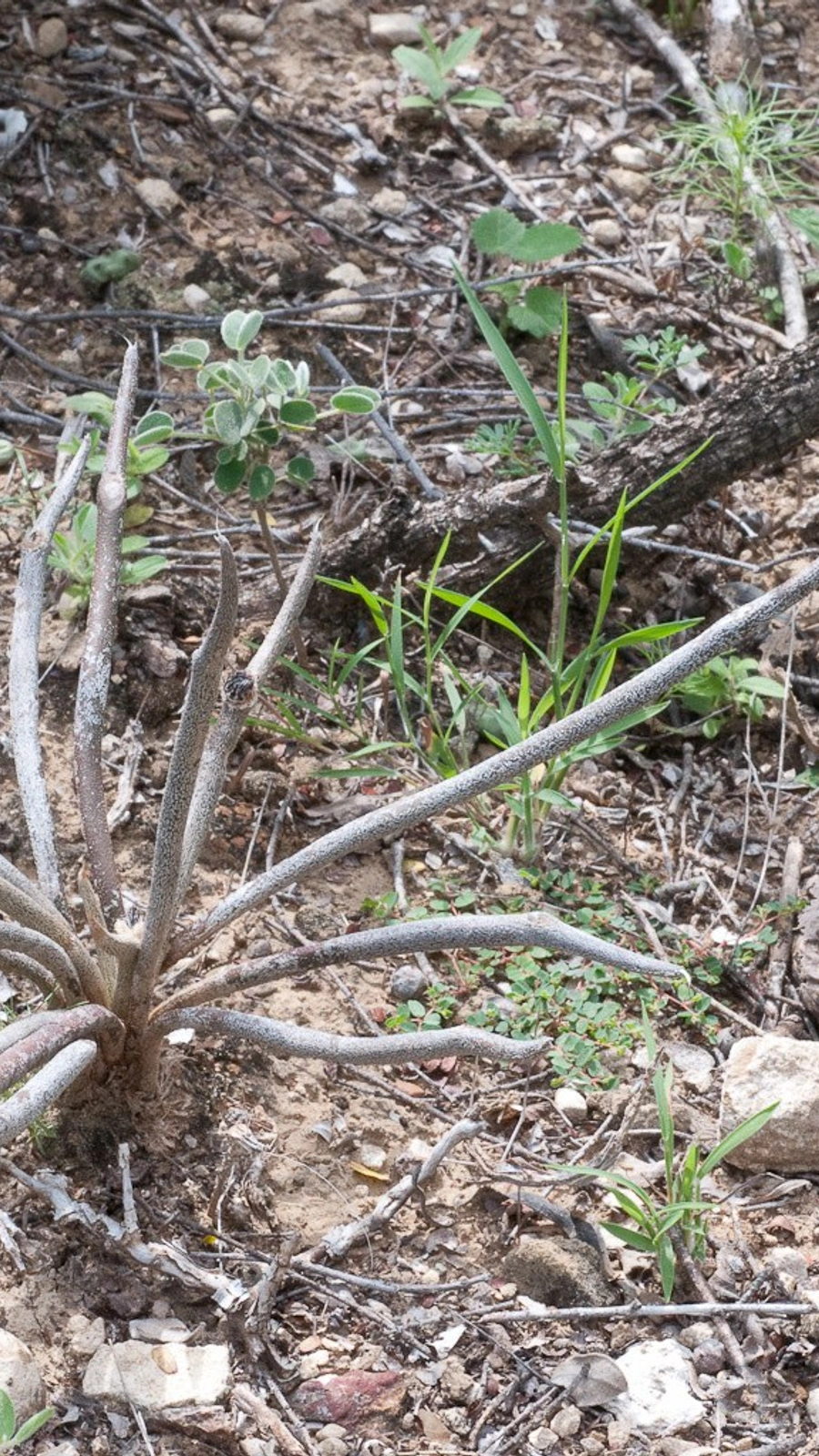
Medusa's Head Cactus
Astrophytum caput-medusae is one of the most remarkable and fascinating species in the Cactaceae family. Diverging from the traditional globose or columnar cactus forms, it is famous for its long, cylindrical tubercles that resemble the writhing snakes of Medusa's head. Discovered in 2002, it instantly became a sensation in the botanical world 1.
Initially described under the monotypic genus Digitostigma as Digitostigma caput-medusae, subsequent molecular and morphological studies placed it firmly within the genus Astrophytum. The specific epithet 'caput-medusae' translates to 'Medusa's head', directly referencing its bizarre growth habit 2.
This species is endemic to a very restricted area in the state of Nuevo León, Mexico. It grows in semi-arid desert shrublands, often concealed under nurse bushes in clayey and calcareous soils. Due to agricultural expansion and illegal collection, it is classified as Critically Endangered (CR) 3.
The plant arises from a thick, fleshy, tuberous taproot. From the subterranean stem, it produces slender, cylindrical, grey-green tubercles up to 19 cm long. These tubercles are covered with fine, whitish flecks (trichomes) typical of the genus. Large, diurnal, yellow flowers with a bright red throat emerge from the subterminal areoles of mature tubercles 2.
When grown on its own roots, Astrophytum caput-medusae is extremely demanding. It requires a highly porous, sterile, mineral-rich medium. Water should be applied sparingly during the hot active growing season and withheld completely in winter. Due to the high risk of rot, many growers graft it onto hardy rootstocks such as Echinopsis or Myrtillocactus 1.
The most common error is using organic soil mixes or overwatering. The large taproot is highly susceptible to fungal rot if kept wet. Additionally, neglecting winter dormancy requirements by watering in low temperatures almost always results in root collapse 3.
Bright indirect light or filtered sunlight is best to prevent sunburn on the delicate tubercles.
Allow soil to dry out completely between waterings; dry winter rest is mandatory.
Requires an almost fully mineral mix consisting of pumice, lava rock, and coarse sand.
Non-toxic to pets and humans. It has small, harmless bristles but should be handled gently.
Highly prone to rot on its own roots; suited for expert growers or as a grafted plant.
Endemic to the semi-arid matorral shrublands of Nuevo León, Mexico, where it grows deeply embedded in calcareous and clay-rich soil, sheltered under desert shrubs.
