Scientific taxonomy article
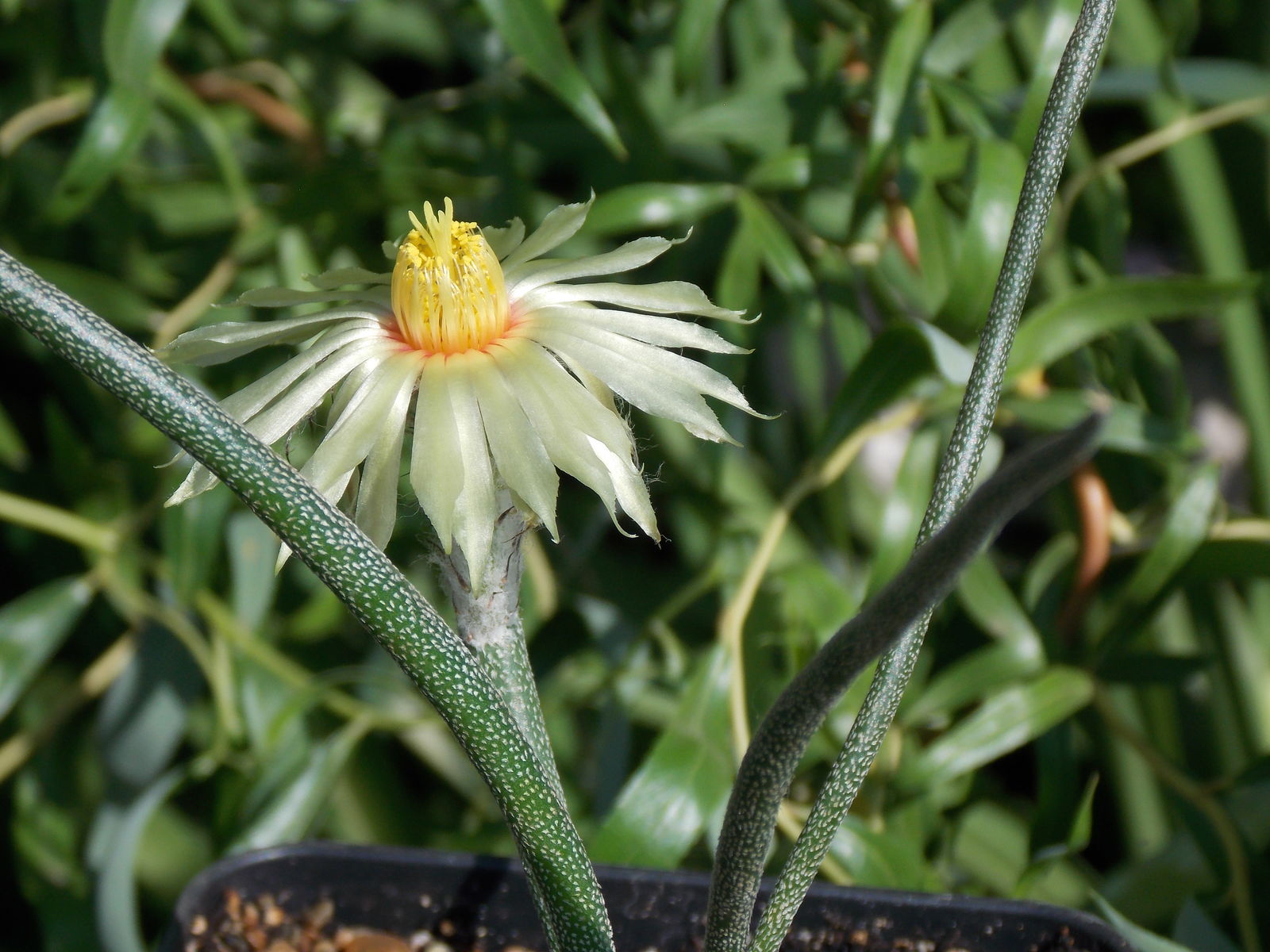
Astrophytum caput-medusae
Astrophytum caput-medusae (Velazco & Nevárez) D.R.Hunt is treated as an accepted taxon in Plants of the World Online.1
The current source-backed classification places it in Cactaceae within Astrophytum.12
Its recorded native range/source remark is MEXICO, MXEDU, NORTHERNAMERICA, MXECO, MXEHI, MXEAG, MXECU, MXETA, MXEGU, MXE, MXENL, MXESL; Mexico (Nuevo León, Tamaulipas).1
POWO records the plant context as tuberous geophyte, desert or dry shrubland.1
This is a source-populated draft intended for later Kaktus Doktoru editorial rewriting; care advice and morphology should be reviewed before publication.
References
- Plants of the World Online. "Astrophytum caput-medusae (Velazco & Nevárez) D.R.Hunt". Royal Botanic Gardens, Kew. Accessed: 2026-06-10. https://powo.science.kew.org/taxon/urn:lsid:ipni.org:names:70029496-1 ↩
- GBIF Secretariat. "Astrophytum caput-medusae". GBIF Backbone Taxonomy. Accessed: 2026-06-10. https://www.gbif.org/species/5623659 ↩